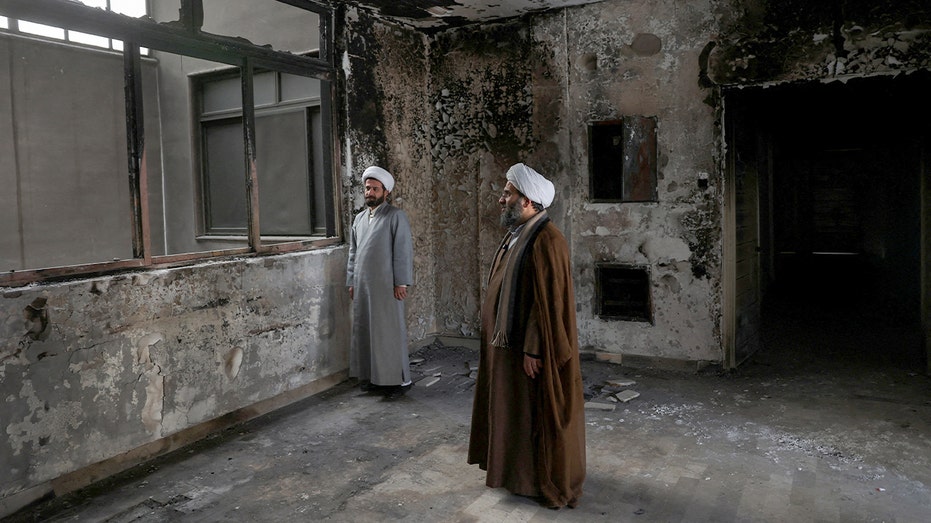
A recent Israeli airstrike targeting a significant gathering point in Qom has reportedly left senior Iranian clerics feeling profoundly vulnerable, according to insights from a defense analyst. The incident, which occurred on Tuesday, struck a location where members of Iran's influential Assembly of Experts were reportedly slated to convene. Their agenda, as indicated by various reports, centered on the critical task of deliberating succession plans for the nation's Supreme Leader, Ayatollah Ali Khamenei, whose demise was reported following earlier strikes. This development follows closely on the heels of another major incident days prior, when a strike reportedly leveled Khamenei's compound in Tehran, signaling an unprecedented escalation in regional tensions and casting a long shadow over the future stability of Iran's entrenched theocracy. The targeted meeting in Qom underscores the profound challenges now confronting the Iranian leadership as it grapples with the immediate aftermath of these events and the pressing need to navigate a path forward amidst heightened insecurity.
The reported death of Supreme Leader Ayatollah Ali Khamenei marks a pivotal and uncertain chapter for Iran, a nation long defined by its unique theological governance. Khamenei, who held the ultimate authority in Iran for decades, played a crucial role in shaping both domestic and foreign policy, making his succession a matter of immense national and regional significance. The Assembly of Experts, an 88-member body comprising high-ranking clerics, is constitutionally tasked with selecting the next Supreme Leader from among its own ranks or other qualified religious scholars. This body holds the ultimate power to appoint and, theoretically, dismiss the Supreme Leader, underscoring its critical role in the continuity of Iran's political and religious establishment. The reported targeting of their planned meeting place in Qom, a city revered as a center of Shiite scholarship and clerical power, highlights the strategic importance of the succession process and the perceived vulnerability of those involved in it, especially in the wake of the earlier strike on Khamenei's Tehran residence.
The Qom strike, confirmed by Israel Defense Forces spokesman Brig. Gen. Effie Defrin, specifically targeted the building where the senior clerics had intended to gather. While the IDF confirmed the strike, reports from an Israeli defense source cited by The Times of Israel indicate that the exact number of the 88 Assembly members present at the time of the incident remains unclear. Kobi Michael, a senior researcher affiliated with the Institute for National Security Studies and the Misgav Institute, characterized this second strike as a significant blow to the remaining authority of the Iranian regime. According to Michael, such an operation demonstrates a clear intelligence advantage and superiority, suggesting that any movement by the Iranian leadership is being detected. He further elaborated that this situation would inevitably foster a sense of insecurity and being 'hunted' among the leadership, leading to a perception that their strategic plans are unraveling one after another, intensifying their feeling of isolation.
The implications of these targeted strikes extend far beyond immediate physical damage, signaling a profound challenge to the Iranian regime's internal cohesion and perceived invulnerability. Analyst Kobi Michael's assessment that the leadership would feel 'insecure and hunted' suggests a significant psychological impact, potentially eroding confidence within the ruling elite and among the populace. This perceived intelligence dominance by external actors could severely undermine the regime's ability to operate effectively and maintain control, especially during a critical period of leadership transition. Furthermore, Michael's analysis points to a growing sense of isolation within the leadership, suggesting that the greatest threat might now emanate from within the country itself, in the form of a potential popular uprising. This vulnerability, exposed by the precision of the strikes and the apparent penetration of Iranian security, could embolden internal opposition and exacerbate existing socio-economic grievances, potentially leading to widespread unrest and further destabilization of the Islamic Republic.
In summary, the recent Israeli airstrike on the planned meeting location of Iran's Assembly of Experts in Qom, following the reported death of Supreme Leader Ayatollah Ali Khamenei, marks a critical juncture for the Islamic Republic. The incident not only underscores the immediate challenges to leadership succession but also highlights a perceived intelligence vulnerability that could profoundly impact the regime's stability. As the Assembly of Experts navigates the complex process of selecting a new Supreme Leader, the heightened sense of insecurity among the clerical establishment, coupled with the potential for internal unrest, will be crucial factors to monitor. The coming weeks and months are expected to reveal the full extent of these events' impact on Iran's domestic politics, regional standing, and the future trajectory of its unique theological governance.