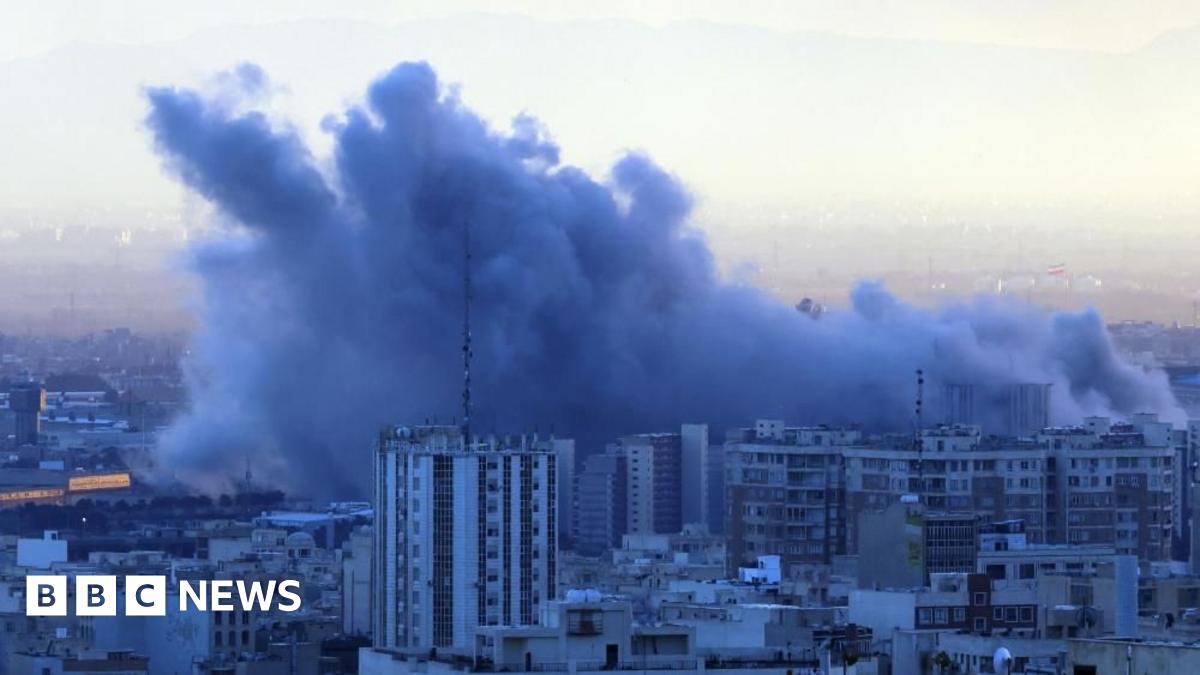
The Israel Defense Forces (IDF) have reportedly initiated a new series of aerial assaults targeting Hezbollah positions within Lebanon, marking a significant escalation in the ongoing regional tensions. These latest strikes, which commenced in the early hours of Monday, local time, and continued into the morning around 07:30 GMT, specifically targeted what Israeli military officials described as critical Hezbollah infrastructure, including weapon storage facilities situated across various Lebanese territories. This renewed offensive by Israel comes in direct response to recent rocket barrages launched by the militant group from southern Lebanon into Israeli territory. Prior to these retaliatory actions, the IDF had issued a stark warning to the inhabitants of more than 50 villages in Lebanon, advising them to evacuate for their personal safety. The Israeli military explicitly cautioned that any individual in close proximity to Hezbollah operatives, their operational sites, or military assets was placing their life at considerable risk, underscoring the volatile nature of the current security environment.
The recent exchange of hostilities between Israel and Hezbollah is deeply rooted in a long-standing and complex history of conflict that frequently destabilizes the Middle East. Hezbollah, a powerful Shiite political party and militant group based in Lebanon, has been a central antagonist to Israel for decades, often operating with significant backing from Iran. The group maintains a substantial arsenal and a strong presence in southern Lebanon, a region that has historically served as a flashpoint for cross-border skirmishes. This latest flare-up occurs within a broader context of heightened regional instability, particularly following recent developments involving Iran, which has been a key supporter of Hezbollah. The strategic significance of southern Lebanon as a launchpad for attacks against Israel, and conversely, as a target for Israeli military operations, cannot be overstated. The ongoing conflict is not merely a localized dispute but is intrinsically linked to wider geopolitical dynamics, with each action and counter-action carrying the potential to draw in other regional and international actors, thereby intensifying an already precarious situation.
According to statements released by the Israel Defense Forces, the recent wave of strikes specifically targeted a range of Hezbollah assets deemed crucial to its operational capabilities. These included not only weapon storage facilities, which are vital for the group's offensive capacity, but also various other infrastructural elements spread across multiple locations within Lebanon. Israeli military sources indicated that these operations were a direct and necessary response to the rocket attacks initiated by Hezbollah against Israeli communities. Before the commencement of these extensive strikes, the IDF had taken the unusual step of issuing a public safety advisory, urging residents in over fifty Lebanese villages to vacate their homes. This warning, delivered with an explicit message that "Anyone who is near Hezbollah members, its facilities or its military assets is putting their life at risk," underscored the perceived danger to civilians in areas where Hezbollah maintains a presence. In a significant diplomatic reaction, Lebanese Prime Minister Nawaf Salam publicly condemned the launching of rockets from Hezbollah-controlled southern Lebanon. Prime Minister Salam characterized these actions as "an irresponsible and suspicious act" that not only jeopardizes Lebanon's own security and safety but also provides Israel with "pretexts to continue its attacks" on Lebanese territory, highlighting the internal Lebanese concern over the militant group's activities.
Analysts monitoring the volatile situation suggest that the latest escalation between Israel and Hezbollah carries significant implications for regional stability, potentially signaling a dangerous widening of the conflict. The IDF's explicit warning to Lebanese civilians to evacuate specific villages could be interpreted as a precursor to more extensive or sustained military operations, indicating a shift in Israel's tactical approach to confronting Hezbollah's presence near its border. This strategic move aims to minimize civilian casualties while simultaneously maximizing the impact on Hezbollah's operational infrastructure. Conversely, Hezbollah's decision to launch rockets into Israel, despite the clear warnings and potential for severe retaliation, suggests a calculated risk, possibly intended to demonstrate its resolve or to respond to broader regional pressures. The strong condemnation from Lebanese Prime Minister Nawaf Salam further underscores the internal divisions within Lebanon regarding Hezbollah's actions, as the group's independent military operations often undermine the authority of the Lebanese state and expose the nation to retaliatory strikes. Experts believe that without a de-escalation, the current trajectory risks drawing both parties into a more protracted and destructive conflict, with potential spillover effects for neighboring countries already grappling with their own security challenges.
In summary, the recent intense exchange of fire between the Israel Defense Forces and Hezbollah in Lebanon represents a critical juncture in the ongoing regional conflict. With Israel launching fresh strikes on what it identifies as Hezbollah targets, including weapon facilities and infrastructure, in direct response to rocket attacks from southern Lebanon, the immediate outlook remains highly volatile. The IDF's prior warning for over 50 Lebanese villages to evacuate highlights the potential for further, more extensive military engagements. Meanwhile, the Lebanese Prime Minister's stern admonition against "irresponsible" rocket launches underscores the internal and external pressures facing Lebanon as a result of Hezbollah's actions. Observers will be closely watching for any signs of de-escalation or, conversely, further retaliatory measures from either side, as the risk of a broader regional conflagration continues to loom large over the Middle East. The international community's role in urging restraint and facilitating dialogue will be crucial in preventing a full-scale war.