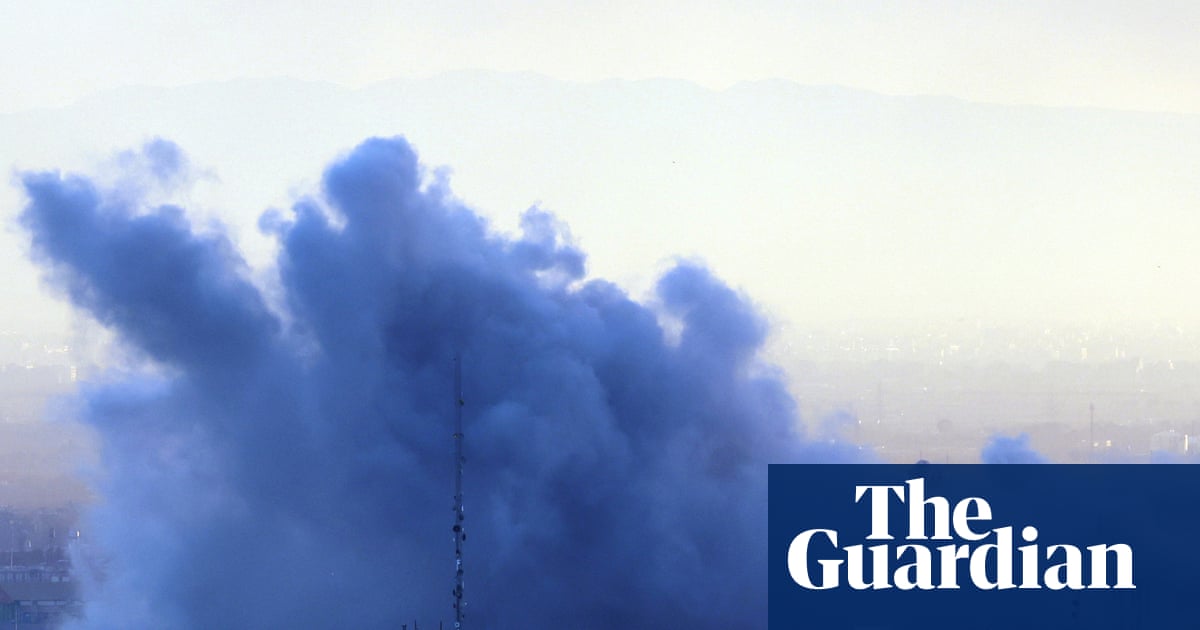
In a significant escalation of regional hostilities, Israeli forces have launched a series of aerial assaults against Iranian security installations and Hezbollah positions in Beirut. These strikes, occurring as the conflict entered its fifth day, prompted a severe declaration from Tehran, which threatened the 'complete destruction of the region’s military and economic infrastructure,' according to reports. The Israeli military indicated its targets included structures in Iran associated with the Basij, a volunteer police arm of the Iranian Revolutionary Guards Corps (IRGC), alongside buildings utilized by internal security forces. The geographical reach of this rapidly intensifying confrontation has extended dramatically, with reported incidents stretching as far as the Indian Ocean, off the coast of Sri Lanka, underscoring the widening scope of the ongoing military actions. This latest wave of attacks and counter-threats marks a critical juncture in a conflict that continues to draw in multiple actors and expand across various strategic fronts, raising concerns about broader instability in the Middle East and beyond.
The targeted Iranian security structures hold considerable significance, particularly the Basij and IRGC headquarters, which Kurdish media reported were razed by strikes in the Kurdish regions of northwestern Iran. These entities have historically played a crucial role in suppressing internal protest movements within Iran, making them key strategic assets for the Iranian government. Amidst these developments, Washington has reportedly encouraged Iranian citizens to challenge their current leadership. Furthermore, sources indicate the United States government has been investigating the potential deployment of Kurdish separatist factions to enter parts of Iran, aiming to establish a secure zone in the predominantly Kurdish northwestern areas. This reported consideration highlights a complex geopolitical strategy that could further complicate the internal dynamics of Iran while potentially adding another dimension to the regional conflict. The strategic importance of these targets and the potential involvement of internal opposition groups underscore the multifaceted nature of the current hostilities, extending beyond conventional military engagements.
The regional dimension of the conflict has indeed continued to expand dramatically, encompassing a series of retaliatory actions and new fronts. Iran reportedly launched strikes against Gulf states, while Hezbollah, a Lebanese militant group, fired upon both Israel and Cyprus, demonstrating the interconnectedness of various regional actors. In a separate but related development, Turkey announced that NATO air defenses successfully intercepted a ballistic missile heading towards its airspace, indicating the potential for wider spillover. Further afield, the United States confirmed it had sunk an Iranian warship in the Indian Ocean, an incident that tragically resulted in significant casualties. Sri Lankan authorities reported that at least 80 individuals were killed and 23 rescued from a vessel, believed to have had 180 people on board, following the engagement. Concurrently, reports emerged of drone activity near Baghdad airport and explosions heard in Irbil, the capital of Iraqi Kurdistan, suggesting a broader pattern of destabilization across Iraq. The human cost within Iran itself has also escalated sharply, with estimates of those killed by strikes over the five days of war now ranging between 1,045 and 1,500 people, according to various reports.
The escalating conflict has prompted a revised outlook from US defense officials regarding its potential duration and scope. Pete Hegseth, the US Defense Secretary, on Wednesday signaled a longer timeframe for the conflict than previously suggested by the Trump administration. Hegseth stated that the hostilities could potentially last for eight weeks, emphasizing that the United States possesses the necessary munitions and equipment to prevail against Iran in a protracted 'war of attrition.' This assessment indicates a strategic shift, moving away from expectations of a swift resolution towards preparing for a more sustained engagement. The broadening geographical reach of the conflict, from the Middle East to the Indian Ocean, coupled with the involvement of diverse state and non-state actors like Hezbollah and potentially Kurdish separatist groups, underscores the complex and unpredictable nature of the current crisis. Experts suggest that a prolonged conflict could have profound implications for global energy markets, international shipping lanes, and regional stability, potentially reshaping geopolitical alliances and power dynamics in the wider Middle East.
In summary, the Middle East is witnessing an unprecedented escalation, marked by Israeli airstrikes on critical Iranian security targets and Hezbollah, met with Tehran's severe threats of regional destruction. The conflict's rapid expansion, now impacting areas from Beirut to the Indian Ocean, highlights its volatile and far-reaching nature. The rising casualty figures in Iran and the tragic incident off Sri Lanka underscore the severe human cost of these hostilities. With the US Defense Secretary signaling a potentially longer conflict duration, the international community faces a period of heightened uncertainty. Observers will be closely monitoring further military actions, diplomatic efforts, and the potential for new actors to be drawn into this rapidly evolving and increasingly complex regional confrontation, which threatens to destabilize an already fragile global landscape.