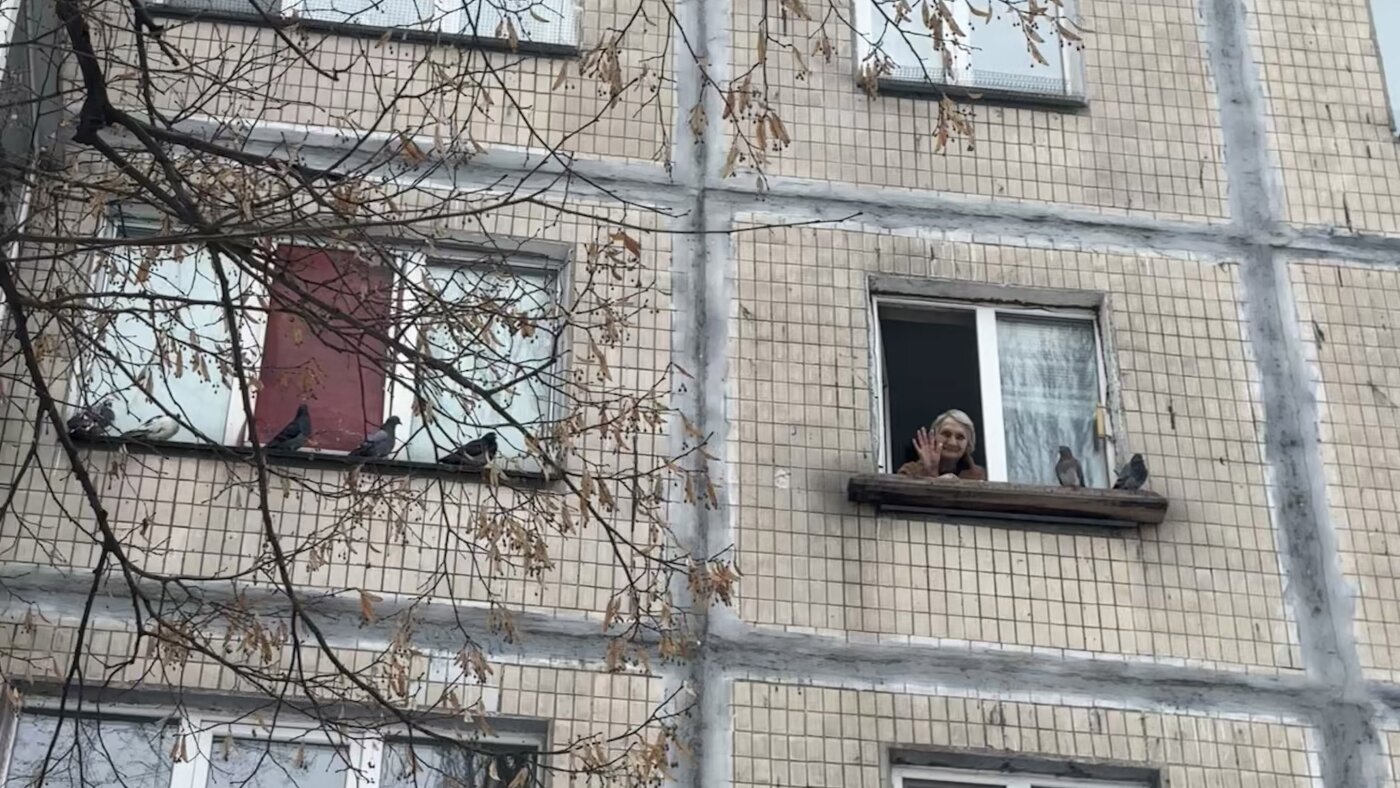
As the harsh winter weather intensifies, older residents in Ukraine's capital, Kyiv, are confronting severe hardships, including frequent power disruptions and dangerously cold temperatures. These challenging conditions are a direct result of Russia's ongoing and systematic assaults on the nation's vital energy infrastructure, according to recent reports. Areas like Kyiv's left bank have been particularly affected by these strikes, leaving many vulnerable citizens struggling to maintain warmth and access basic necessities. For individuals such as 88-year-old Liliya Martynivna Lapina, daily life involves bundling in multiple layers of clothing and blankets, a desperate attempt to conserve body heat within her unheated apartment. Humanitarian organizations are stepping in to provide critical assistance, offering a lifeline to those most at risk, delivering essential supplies and much-needed companionship to older adults who are largely confined to their homes amidst the persistent crisis, grappling with the absence of consistent heating and electricity.
The current humanitarian emergency unfolding in Kyiv is a direct consequence of Russia's evolving military approach. With reports indicating that significant territorial gains on the battlefield have largely stalled, Russian President Vladimir Putin has, according to sources, seemingly redirected military efforts towards a campaign aimed at eroding the resilience of the Ukrainian population. This strategy involves a systematic targeting of critical energy infrastructure across the country, encompassing power generation facilities and heating plants. As the nation's capital, Kyiv has reportedly borne a disproportionate share of these attacks, leading to widespread and prolonged electricity outages and severe disruptions to its central heating systems. This deliberate targeting of civilian infrastructure has left countless older Ukrainians in precarious situations, increasingly reliant on external aid for fundamental survival during what is described as one of the region's most severe winters in recent memory.
The impact of these infrastructure attacks extends beyond mere inconvenience, creating life-threatening conditions for the most vulnerable. Reports detail how many older citizens, like Ms. Lapina, are forced to endure days wrapped in multiple layers of clothing, struggling to generate and retain warmth inside their homes, which lack consistent heating and electricity. These circumstances make even simple tasks, such as preparing meals or staying connected with loved ones, incredibly challenging. Aid groups, such as Starenki, are playing a crucial role by actively delivering essential provisions, including food, warm clothing, and medical supplies, directly to the homes of older adults. These organizations also provide vital social interaction, combating the isolation experienced by many who are unable to venture outside due to the cold, power cuts, or mobility issues, underscoring the profound need for sustained humanitarian support.
Analysts suggest that Russia's intensified campaign against civilian infrastructure represents a strategic shift, aiming to exert psychological pressure and undermine public morale rather than achieve significant military objectives on the front lines. This tactic, according to observers, seeks to exploit the harsh winter conditions, hoping that cold and darkness will break the resolve of the Ukrainian populace. The deliberate targeting of non-military facilities, including those essential for civilian survival during winter, raises significant concerns regarding international humanitarian law. While Ukrainian forces have reportedly demonstrated strong resistance on the battlefield, the ongoing assaults on energy grids pose a different kind of challenge, testing the endurance of the civilian population and placing immense strain on the country's emergency services and humanitarian networks. The long-term implications of such a strategy could include increased displacement, public health crises, and a prolonged recovery period for affected cities.
In summary, Kyiv's elderly population faces an acute crisis this winter, characterized by freezing temperatures and persistent power outages, directly resulting from Russia's sustained attacks on critical energy infrastructure. Humanitarian organizations are providing essential support, but the scale of the challenge is immense, with vulnerable individuals struggling daily for warmth and basic necessities. This situation highlights a strategic shift in the conflict, focusing on civilian hardship to undermine morale. As winter progresses, the international community and aid groups will continue to play a vital role in mitigating the suffering, while the resilience of Kyiv's residents remains a critical factor in enduring these unprecedented challenges.