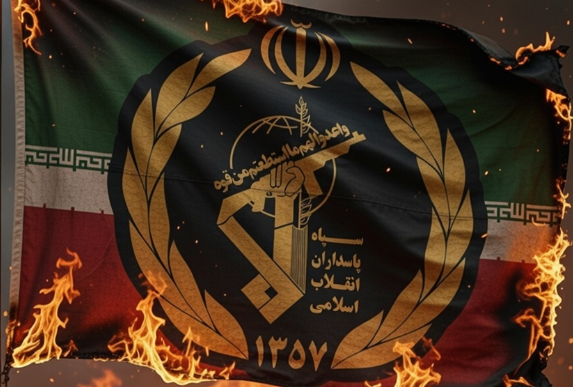
Reports emerging on March 4, 2026, indicate that Rahman Makadam, identified as a senior figure within Iran's Islamic Revolutionary Guard Corps (IRGC) and the alleged mastermind behind an attempt to assassinate former U.S. President Donald Trump, has been eliminated. According to statements from U.S. officials and corroborated by Israeli media, Makadam, who reportedly headed the IRGC's Special Operations Department, was "hunted down and killed." The White House, through a statement from Secretary of War Pete Hegseth, confirmed the operation, asserting that "Iran tried to kill President Trump, and President Trump got the last laugh." This development marks a significant escalation in the ongoing covert conflict between regional powers and underscores the persistent threats faced by high-profile international figures. Israeli sources, including a report by Channel 12, specifically attributed Makadam's elimination to Israeli forces, linking him directly to a plot targeting Trump prior to the 2024 U.S. presidential election. The former president was reportedly informed of Makadam's death by Israeli officials in the hours preceding the public announcement, highlighting the close coordination and intelligence sharing between the two nations on critical security matters.
The reported elimination of Rahman Makadam unfolds against a backdrop of deeply entrenched hostilities and a protracted shadow war involving Iran, the United States, and Israel. The Islamic Revolutionary Guard Corps, of which Makadam was a senior member, is a powerful military, political, and economic organization in Iran, designated as a foreign terrorist organization by the United States. Its Special Operations Department is widely understood to be responsible for clandestine activities and operations beyond Iran's borders, including intelligence gathering, sabotage, and support for proxy groups. Allegations of Iranian-backed plots targeting U.S. officials and interests have been a recurring theme in international relations, particularly following the 2020 U.S. drone strike that killed IRGC Quds Force commander Qassem Soleimani. This specific alleged assassination attempt against Donald Trump, reportedly orchestrated by Makadam ahead of the 2024 election, signifies a grave escalation, moving beyond proxy conflicts to direct targeting of a former head of state. Such actions are perceived by many as a direct challenge to international norms and sovereignty, prompting robust responses from the targeted nations and their allies. The incident further illuminates the complex and often clandestine nature of geopolitical rivalries in the Middle East, where intelligence operations and targeted eliminations are increasingly becoming tools of statecraft.
Further details emerging from the reports emphasize Makadam's central role in the alleged plot against former President Trump. According to Israeli intelligence sources cited by Channel 12, Rahman Makadam was not merely a participant but the head of the specific unit within the IRGC's Special Operations Department tasked with the assassination attempt. This designation suggests a high level of operational authority and strategic importance within the Iranian security apparatus. Secretary of War Pete Hegseth's public statement, disseminated via the White House's official channels, underscored the gravity of the situation, explicitly stating, "Yesterday, the leader of the unit who attempted to assassinate President Trump was hunted down and killed. Iran tried to kill President Trump, and President Trump got the last laugh." This forceful declaration from a U.S. official highlights the perceived direct involvement of the Iranian state in the alleged plot. The timing of the alleged assassination attempt, preceding the 2024 U.S. presidential election, adds another layer of geopolitical significance, suggesting potential motives related to influencing American political outcomes or retaliating for past actions. Reports also confirmed that former President Trump was personally briefed on Makadam's elimination by Israeli officials, indicating the sensitive nature of the intelligence and the close bilateral cooperation in addressing such threats.
The reported elimination of Rahman Makadam carries substantial implications for regional stability and the intricate dynamics of the Middle East. Expert analysts suggest that this targeted action could be interpreted as a clear message from Israel and its allies regarding their resolve to counter perceived Iranian aggression and terrorist activities. While such operations are often shrouded in secrecy, their public acknowledgment, even through attributed leaks and official statements, serves as a deterrent and a demonstration of intelligence capabilities. This event is likely to further intensify the long-standing shadow war between Israel and Iran, potentially leading to retaliatory actions or increased covert operations from Tehran. For the United States, the confirmation of Makadam's elimination, particularly given his alleged role in targeting a former president, reinforces the commitment to protecting its leaders and interests, both domestically and abroad. The incident also highlights the evolving nature of international security threats, where non-state actors and state-sponsored units blur the lines of traditional warfare. Observers will be closely watching for any official response from Iran, which typically condemns such actions as acts of state terrorism, and how this development might influence ongoing diplomatic efforts or future military postures in the region. The precision and attribution of this operation could also signal a shift in tactics, moving towards more overt acknowledgment of responses to perceived threats.
In conclusion, the reported elimination of Rahman Makadam, a high-ranking figure in Iran's IRGC Special Operations Department and the alleged orchestrator of an assassination plot against former U.S. President Donald Trump, marks a critical development in the complex geopolitical landscape of the Middle East. Attributed to Israeli forces and acknowledged by U.S. officials, this action underscores the persistent and often clandestine struggle against state-sponsored terrorism and threats to international figures. The incident highlights the deep-seated tensions between Iran, the United States, and Israel, signaling a continued readiness to employ decisive measures in response to perceived threats. As the international community processes this news, attention will remain focused on potential retaliatory actions from Iran and the broader implications for regional security. The precise nature of future responses from all involved parties will be crucial in determining whether this event leads to further escalation or a recalibration of strategies in the ongoing shadow conflict.