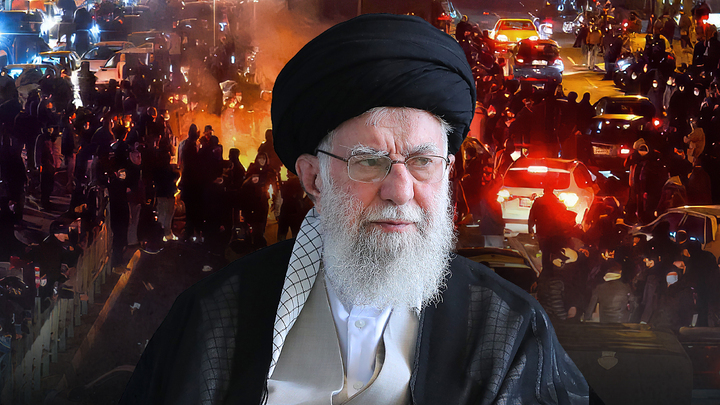
In a dramatic escalation of regional tensions, Iran's Supreme Leader, Ayatollah Ali Khamenei, has been confirmed deceased following a targeted Israeli strike on his compound and primary offices. This significant development occurred amidst a large-scale, joint military offensive by the United States and Israel, dubbed "Operation Epic Fury," which is currently underway across Iran. The operation's stated objective, according to reports, is to neutralize Islamic Republic regime leadership and military assets deemed to pose an "imminent threat." Initial reports from a senior Israeli security official indicate that the opening phase of this offensive, which commenced early Saturday in downtown Tehran, resulted in the deaths of approximately 40 high-ranking Iranian security and governmental figures. The loss of such a pivotal figure as Khamenei, who has led Iran for decades, marks a profound moment for the nation and the broader Middle East, signaling a potential shift in the geopolitical landscape.
The initiation of "Operation Epic Fury" represents a critical juncture in the long-standing, often volatile relationship between Iran, Israel, and the United States. For years, regional stability has been undermined by accusations of Iran's pursuit of nuclear capabilities, its support for various proxy groups across the Middle East, and its persistent anti-Israel rhetoric, which has included calls for the destruction of the Jewish state. Officials have frequently cited these actions as posing a serious and evolving threat to international security. The decision to launch a joint military offensive targeting the highest echelons of Iranian leadership underscores the gravity of the perceived threats, moving beyond punitive sanctions or limited strikes to a comprehensive effort aimed at dismantling the core of the Iranian regime's power structure. This operation's scope and the prominence of its targets suggest a calculated response to what U.S. and Israeli intelligence sources have likely assessed as an unacceptable and escalating danger, potentially altering the regional balance of power for years to come.
Beyond the confirmation of Supreme Leader Khamenei's death by officials, an Israel Defense Forces (IDF) spokesperson has detailed the demise of several other critical Iranian figures in the ongoing offensive. Among those reported killed is Ali Shamkhani, who served as the secretary of Iran's Supreme National Security Council and was a personal advisor to Khamenei on security matters, playing a central role in the nation's security decision-making processes. Also confirmed dead is Mohammad Pakpour, the commander of the Islamic Revolutionary Guard Corps (IRGC) since 'Operation Rising Lion.' Pakpour was reportedly a key architect of the "destruction of Israel" plan, commanded Iran's primary military force, and was responsible for deploying strategic fire arrays against Israel, in addition to supporting and directing Iranian proxy forces. Furthermore, sources indicate that Pakpour allegedly spearheaded the violent suppression of Iranian protestors over the past month. Saleh Asadi, a senior intelligence officer within the Supreme Command of the Iranian Forces and head of the Intelligence Directorate of the Khatam al-Anbiya emergency command, was also killed. Asadi was deeply involved in formulating Iran's strategic responses against both Israel and the U.S., and was reportedly heavily implicated in the regime's plan to eliminate the State of Israel. Mohammad Shirazi, who has led the Military Bureau of the Supreme Leader since 1989, is another high-profile casualty, though the full extent of his responsibilities in the context of the strikes remains under review.
The elimination of such a significant number of high-ranking Iranian officials, particularly the Supreme Leader himself, is expected to trigger profound and unpredictable consequences for Iran and the wider Middle East. Analysts suggest that the immediate aftermath will likely see a scramble for succession within Iran's clerical establishment, potentially leading to internal power struggles and instability. The absence of Khamenei, who has been the ultimate authority in Iran for decades, creates a substantial power vacuum that could either lead to a more moderate leadership or, conversely, to a more hardline and retaliatory stance from surviving elements of the regime. Regionally, the impact on Iranian-backed proxies, such as Hezbollah in Lebanon, Houthi rebels in Yemen, and various militias in Iraq and Syria, could be significant, potentially disrupting their operational capabilities or prompting them to launch retaliatory actions. The international community will be closely watching for any signs of broader conflict, with global oil markets and diplomatic efforts likely to be heavily influenced by the unfolding events. The justification of "imminent threat" provided by U.S. and Israeli officials will undoubtedly face intense scrutiny as nations assess the legality and long-term implications of such a decisive military intervention.
The confirmed death of Iranian Supreme Leader Ayatollah Ali Khamenei, alongside dozens of other senior officials, following the joint U.S.-Israeli "Operation Epic Fury," marks an unprecedented moment in Middle Eastern geopolitics. This massive offensive, targeting the core of Iran's leadership and military infrastructure, has fundamentally altered the power dynamics in the region. The immediate future for Iran appears fraught with uncertainty, as the nation grapples with the loss of its paramount leader and a significant portion of its strategic command. The international community now faces the critical task of monitoring potential Iranian responses, observing the process of succession, and working to mitigate the risk of a wider regional conflict. The coming days and weeks will be crucial in determining the trajectory of this highly volatile situation and its lasting impact on global stability.