The ongoing conflict involving the United States and Israel against Iran has entered its fourth day, marked by a significant expansion of military operations and a rising human toll. President Trump, speaking from the Oval Office on Tuesday, publicly defended his administration's decision to initiate hostilities with Iran, asserting that direct intervention was crucial to avert a potential nuclear war. According to the President, without such action, Iran possessed the capability to destabilize and eliminate numerous countries. As the conflict intensifies, Israel has deployed ground forces into Lebanon, signaling a broader engagement across the region. The escalating violence has led to tragic losses, with six U.S. service members reported killed, and the Iranian Red Crescent indicating at least 787 fatalities within Iran, though internal reports suggest the actual number could be significantly higher, potentially reaching into the thousands. This rapid escalation underscores the volatile nature of the current geopolitical landscape.
Dubbed "Operation Epic Fury," the military engagement has quickly transformed the regional security outlook, drawing concerns from several of Iran's neighboring Gulf states. These nations have expressed apprehension that Iran's retaliatory actions could inadvertently pull them into the rapidly spreading conflict, further destabilizing an already fragile area. The initial days of the war have seen a series of targeted strikes and counterattacks, elevating tensions to critical levels. The involvement of both the U.S. and Israel against Iran represents a significant shift in regional dynamics, with long-standing geopolitical rivalries now manifesting in open warfare. This current phase of hostilities follows a period of heightened rhetoric and proxy confrontations, culminating in the direct military actions now unfolding, which carry profound implications for global stability and energy markets.
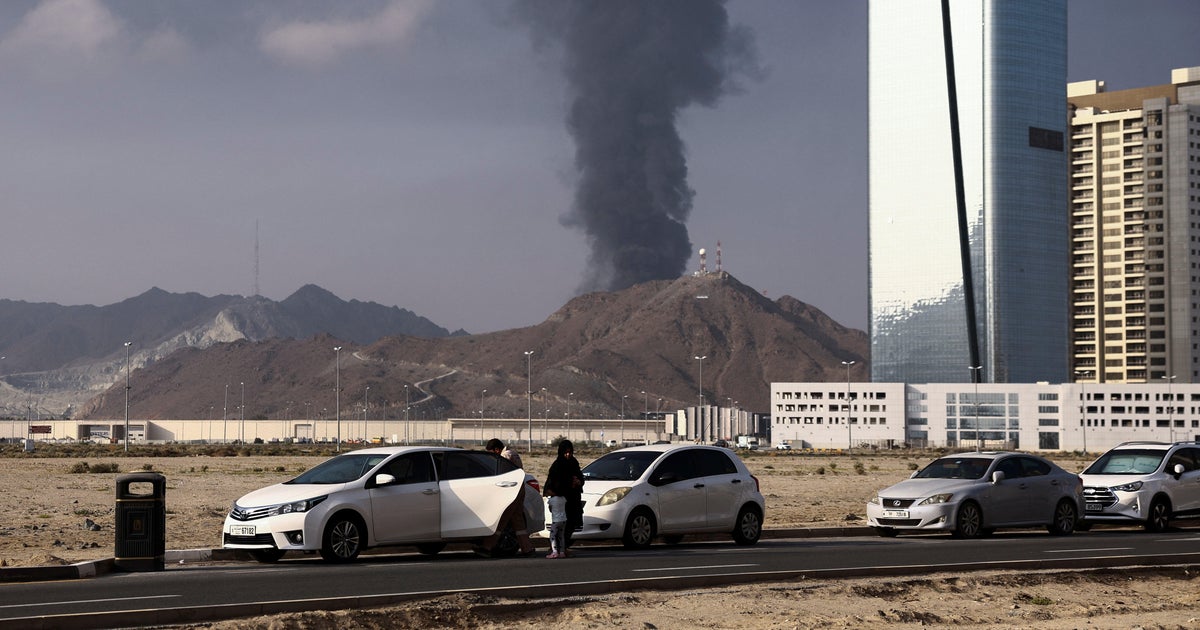
Specific incidents underscore the widening scope and severity of the conflict. Reports indicate that the U.S. consulate in Dubai was struck by a drone, highlighting the reach of hostile actions. Furthermore, intelligence and Gulf sources have revealed that Central Intelligence Agency (CIA) facilities in both Iraq and Saudi Arabia were targeted by drones over the past two days. The site in Iraq reportedly sustained hits from two drones, though no American personnel were present at the time of the attack. Similarly, the CIA site in Saudi Arabia experienced no casualties from the drone strike, according to these sources. Both the CIA and the Saudi Embassy in Washington D.C. have refrained from commenting on these specific incidents. In a somber development, the Pentagon has publicly identified four U.S. service members who lost their lives during an Iranian counterattack in Kuwait, while the identities of two other American fatalities remain undisclosed. Amidst these military developments, the U.S. government has issued urgent advisories, urging American citizens to depart from 14 countries across the region due to severe safety risks, leading to the closure of U.S. embassies in key locations such as Beirut, Kuwait, and Saudi Arabia.
The escalating conflict has also ignited a contentious debate within the United States Congress regarding the executive branch's war powers. House Speaker Mike Johnson has vociferously rejected calls from some lawmakers, predominantly Democrats, for a vote on a war powers resolution aimed at limiting President Trump's authority to continue military strikes against Iran. Speaker Johnson characterized such a legislative move as "dangerous," arguing that it would inadvertently benefit the adversary. His stance highlights a significant divide within Washington over the appropriate balance of power in declaring and conducting military operations, particularly in a rapidly unfolding international crisis. This internal political struggle runs parallel to the external regional instability, where warnings from Iran's Gulf neighbors about being drawn into the conflict underscore the potential for a cascading series of engagements across the Middle East, with unpredictable and far-reaching consequences for regional alliances and global security.
As the U.S. and Israel's conflict with Iran enters its fourth day, the situation remains highly volatile, characterized by expanding military actions, a growing casualty count, and significant regional instability. President Trump's defense of the intervention underscores the administration's belief in the necessity of its actions, while the widespread drone attacks on U.S. facilities and the deployment of Israeli troops into Lebanon signal a conflict far from containment. The human cost is mounting, with both U.S. and Iranian fatalities reported, and the discrepancy in Iranian casualty figures points to the fog of war. Domestically, the debate over war powers reflects the profound implications of this conflict for American foreign policy. Moving forward, observers will closely monitor further military engagements, the humanitarian impact, and any diplomatic efforts to de-escalate tensions, as the region grapples with the profound and uncertain consequences of this widening confrontation.