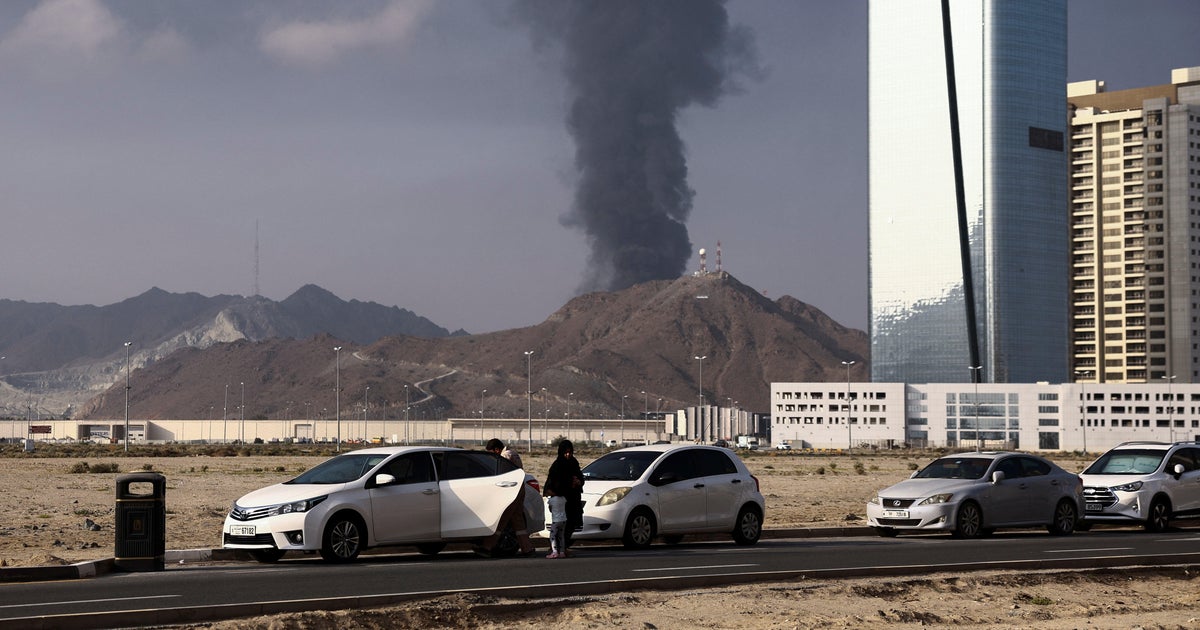
The escalating military confrontation between the United States, Israel, and Iran has entered its fourth day, marked by a significant defense from President Trump regarding the rationale behind the U.S. involvement and a tragic increase in casualties. Speaking from the Oval Office on Tuesday, President Trump asserted that the military intervention was a critical measure to avert a potential nuclear conflict and prevent Iran from destabilizing numerous nations across the region. Concurrently, the scope of hostilities has broadened, with reports indicating Israeli forces deploying into Lebanon and a drone strike impacting the U.S. consulate in Dubai, underscoring the expanding geographical reach of the conflict. The human cost of the intensifying hostilities is becoming increasingly apparent, with American service members losing their lives and humanitarian organizations documenting a substantial number of fatalities within Iran. Furthermore, the Iranian judiciary has issued stern warnings, raising the specter of severe penalties, including execution, for any individuals perceived to be supporting the U.S.-Israeli military campaign, signaling a harsh crackdown on internal dissent amidst the external conflict.
The current phase of intense military engagement, now designated as Day 4 of the U.S. and Israel's war with Iran, follows a series of earlier developments that have progressively drawn the region into a perilous state of heightened alert. The initial U.S. strikes against Iranian targets were met with retaliatory actions from Tehran, leading directly to the tragic loss of American lives. This cycle of aggression and counter-aggression has prompted deep concern among Iran's neighboring Gulf states, with officials from these nations expressing apprehension that Iran's responsive military actions could inadvertently pull them into the rapidly spreading conflict. Diplomatic sources indicate that the escalating tensions have already necessitated significant security adjustments, including urgent advisories for American citizens to depart numerous countries in the region due to serious safety risks, and the closure of several key U.S. diplomatic missions, reflecting the profound instability gripping the Middle East.
The grim reality of the conflict's human toll continues to emerge, with military officials confirming the deaths of six U.S. service members. The Pentagon, according to official statements, has publicly identified four of these individuals who tragically lost their lives during an Iranian counterattack launched in Kuwait. The identities of the remaining two American casualties have not yet been released. On the Iranian side, humanitarian organizations, specifically the Iranian Red Crescent, have reported a staggering figure of at least 787 fatalities. However, internal reports circulating within Iran suggest that the actual death toll could be significantly higher, potentially reaching into the thousands, indicating the devastating impact of the ongoing strikes. In response to the escalating dangers, the U.S. State Department has issued urgent directives, advising American citizens to evacuate 14 countries across the region. Furthermore, diplomatic operations have been significantly curtailed, with U.S. embassies in critical locations such as Beirut, Kuwait, and Saudi Arabia suspending their services due to the severe and pervasive security threats posed by the widening conflict.
President Trump's assertion that military intervention was necessary to prevent a nuclear war and widespread regional destabilization offers a critical lens through which to analyze the administration's strategic calculus, though observers suggest such claims underscore the high stakes involved in the current confrontation. The deployment of Israeli troops into Lebanon, as reported by various sources, and the drone attack on the U.S. consulate in Dubai are particularly concerning developments, signaling a dangerous expansion of the conflict beyond initial flashpoints and raising fears of broader regional conflagration. Analysts believe these actions could draw more actors into the fray, particularly Iran's Gulf neighbors who have already voiced concerns about being entangled by retaliatory strikes. Furthermore, the stark warning issued by Gholam Hosseini Mohseni Ejehei, Iran's judiciary chief, on state television, threatening death penalties for those supporting U.S.-Israeli operations, highlights the severe internal pressures within Iran and raises profound human rights concerns, indicating a potential crackdown on any perceived dissent or cooperation with external adversaries, reminiscent of the violent suppression of earlier protests.
In summary, the U.S. and Israel's conflict with Iran has intensified dramatically, marked by President Trump's robust defense of the intervention as a preventative measure against nuclear war and significant regional destabilization. The widening scope of hostilities, evidenced by Israeli troop movements and attacks on U.S. diplomatic facilities, underscores the precarious security situation across the Middle East. The tragic loss of American service members and the substantial, potentially thousands-strong, casualty count within Iran highlight the severe human cost of this escalating confrontation. As the region grapples with heightened instability, the chilling threats from Iran's judiciary chief against internal dissent add another layer of complexity and concern. Moving forward, the international community will be closely monitoring for any further escalations, the potential for diplomatic breakthroughs, and the ongoing safety of citizens in a region increasingly gripped by conflict.