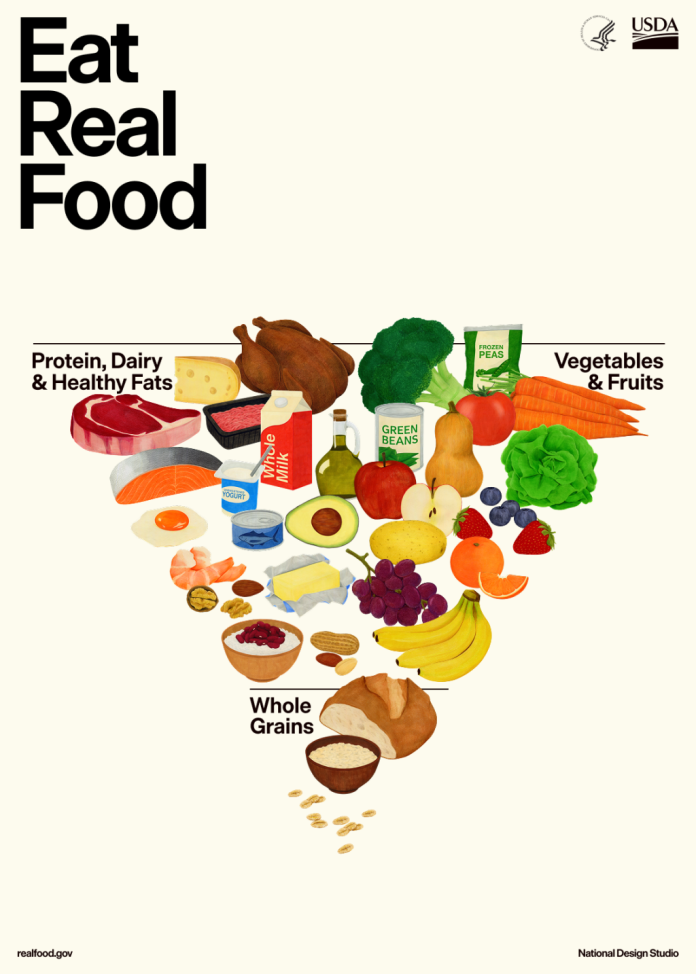
The latest iteration of the Dietary Guidelines for Americans (DGA) has issued a clear and unequivocal recommendation, urging individuals to systematically eliminate added sugars from their daily eating patterns. This significant advisory, which numerous policymakers and medical experts have reportedly considered long overdue, marks a crucial turning point in the trajectory of public health communication. While the directive itself emphasizes a critical dietary adjustment, the primary hurdle for the general populace extends beyond merely acknowledging the necessity of reducing sugar intake. Instead, the more profound challenge, according to various reports, lies in effectively and sustainably integrating such a reduction into everyday life, transforming abstract guidance into actionable dietary changes. This shift highlights a growing consensus among health authorities regarding the detrimental impact of excessive sugar consumption on national health metrics, pushing for a more assertive stance on dietary modifications. The emphasis is now firmly placed on not just awareness, but on the practical pathways to achieving healthier nutritional habits in a complex food environment.
The pronouncement from the Dietary Guidelines for Americans represents more than just an update; it signifies a fundamental reorientation in how federal health bodies approach nutritional advice, particularly concerning caloric sweeteners. For years, public health messaging has incrementally tightened its focus on sugar, but this latest guidance, as sources indicate, pushes for a more definitive exclusion rather than mere moderation. This evolution reflects an accumulating body of scientific evidence linking high added sugar intake to a spectrum of chronic health conditions, including obesity, type 2 diabetes, cardiovascular disease, and certain inflammatory responses. The sentiment among a considerable segment of medical professionals and policy shapers is that a more stringent stance on added sugars should have been adopted earlier, given the widespread prevalence of these ingredients in the modern food supply and their pervasive contribution to calorie intake without significant nutritional benefit. This pivotal shift, therefore, aims to directly address a major dietary contributor to the nation's health crisis, moving towards a proactive strategy that seeks to prevent disease through more rigorous dietary standards. The explicit call for "systematic exclusion" underscores a recognition that incremental changes may no longer suffice in the face of escalating public health challenges.
While the conceptual understanding of reducing added sugars might seem straightforward, the practical realities of implementing such a directive present considerable obstacles for the average consumer. Experts in public health and nutrition frequently point to the ubiquitous presence of added sugars across a vast array of processed foods, often in unexpected items like savory sauces, breads, and yogurts, making their systematic avoidance a complex task. This pervasive integration into the food supply means that individuals must not only be vigilant label readers but also navigate a marketplace where healthier, low-sugar options may be less accessible or more expensive. Furthermore, established dietary habits, cultural norms surrounding food, and the powerful marketing strategies employed by the food industry all contribute to the difficulty of making consistent, health-conscious choices. Officials familiar with public health campaigns acknowledge that a mere directive, however well-intentioned, is insufficient without accompanying strategies that empower consumers with practical tools, affordable alternatives, and a supportive environment. The challenge, therefore, is not just about individual willpower but also about systemic factors that either facilitate or impede adherence to healthier guidelines, demanding a multi-faceted approach beyond simple admonition.
The implications of this strengthened dietary guidance extend far beyond individual eating habits, potentially signaling broader shifts in public health policy and the food industry landscape. For consumers, the explicit call for "systematic exclusion" could empower those seeking healthier lifestyles, but it also places a significant burden on them to decipher complex nutritional information and resist pervasive marketing. From an industry perspective, this directive could accelerate the trend towards reformulation of products, potentially leading to a wider availability of lower-sugar alternatives, though this transition is likely to be gradual and met with varying degrees of enthusiasm. However, observers suggest that for the guidelines to truly translate into improved population health outcomes, policy interventions may need to move beyond mere recommendations. This could involve exploring initiatives that make healthier choices more economically viable and readily available, or even considering public awareness campaigns that educate consumers on identifying hidden sugars. The acknowledged "fundamental challenge" of practical implementation suggests a need for clarity and support from both public and private sectors to ensure that the path to healthier eating is genuinely accessible rather than an aspirational ideal.
In summary, the latest Dietary Guidelines for Americans mark a significant and, according to many, overdue step towards a more assertive stance on reducing added sugars. The directive for systematic exclusion represents a pivotal moment in public health messaging, underscoring the serious health risks associated with excessive sugar consumption. However, the true test of this guidance lies not in its acceptance, but in the practical ability of individuals to implement such a profound dietary change within their daily lives. Overcoming the pervasive presence of added sugars in the food supply, coupled with deeply ingrained habits, requires more than just awareness; it demands innovative solutions, supportive environments, and potentially a collaborative effort from policymakers, the food industry, and health educators. As the nation grapples with rising rates of diet-related illnesses, the focus will increasingly turn to how these ambitious guidelines can be translated into tangible, sustainable improvements in public health, making healthy choices genuinely easier for everyone.