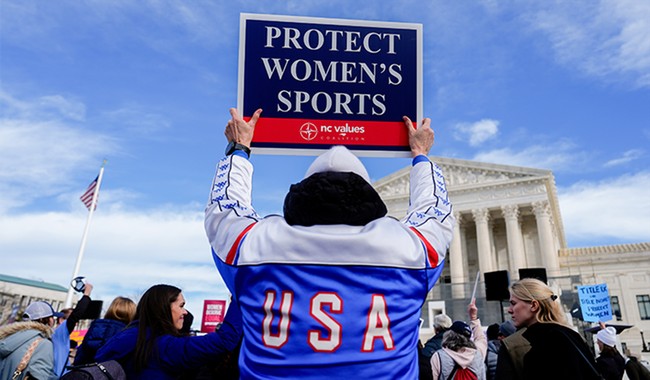
Lawmakers in Missouri's House of Representatives have recently taken significant steps to solidify existing protections for women's and girls' athletic competitions, according to official legislative documents. This legislative initiative seeks to remove the sunset clause from a 2023 statute that currently prevents individuals assigned male at birth from participating in female sports categories. The proposed amendment, which aims to make the prohibition permanent, garnered substantial support primarily along established party lines. Republican representatives have consistently championed the enduring safeguarding of female athletic divisions, emphasizing the importance of ensuring equitable competitive opportunities for biological females. Conversely, Democratic representatives have expressed reservations regarding the measure, though the specific nature of their concerns was not fully detailed in initial reports. This move represents a pivotal moment in the ongoing statewide and national discourse surrounding gender identity and fairness in sports, signaling a clear legislative intent to enshrine these regulations indefinitely within Missouri law.
The legislative action builds upon a foundational statute enacted in 2023, which initially established the prohibition against biological males competing in female sports but included a predetermined expiration date. This original law emerged amidst a growing national conversation and a wave of similar legislative efforts across various states, all grappling with the complex interplay of athletic fairness, gender identity, and inclusion. Proponents of the 2023 law, and now its proposed permanence, have consistently argued that distinct biological differences between sexes create an inherent competitive advantage for individuals assigned male at birth, which could undermine the integrity of women's sports and diminish opportunities for female athletes. The temporary nature of the initial statute reflected, in part, the evolving legal and social landscape surrounding these issues, allowing for a period of observation and potential reevaluation. However, the recent advancement in the House indicates a legislative desire to move beyond a temporary measure towards a definitive, long-term policy stance on this contentious issue, reflecting a broader political trend observed in many conservative-leaning states.
The bill's progression through the Missouri House involved a robust debate, with legislative reports indicating a clear partisan divide. Supporters, predominantly Republican lawmakers, articulated their rationale for making the existing protections permanent, underscoring the belief that female athletes deserve a level playing field free from what they perceive as unfair biological advantages. Their advocacy centers on the principle of preserving the distinct category of women's sports, which they argue was created to foster opportunities for females. While specific voting numbers were not detailed in the initial reports, the characterization of support being 'primarily along party lines' suggests a significant majority from one political faction. The legislative process now dictates that this measure, having advanced through the House, will likely move to the state Senate for further consideration and potential approval. Should it pass both chambers, it would then proceed to the Governor's desk for final assent, thereby removing the expiration date and embedding the prohibition indefinitely into Missouri's legal framework.
The implications of making this legislation permanent extend far beyond the immediate legislative session, signaling a long-term commitment by Missouri to a specific stance on transgender participation in sports. This move aligns Missouri with a growing number of states that have enacted or are pursuing similar definitive bans, reflecting a broader national trend in conservative states. Experts suggest that such permanent legislation could face ongoing legal challenges, as similar laws in other jurisdictions have encountered scrutiny regarding issues of discrimination and equal protection. The permanence of the law would provide clarity for athletic associations, schools, and individual athletes within Missouri, but it also solidifies a policy that is deeply divisive, potentially exacerbating tensions between different advocacy groups. This legislative action will undoubtedly continue to fuel the national debate on how to balance the rights and opportunities of all athletes while maintaining fairness and integrity in competitive sports, particularly at the collegiate and K-12 levels.
In summary, the Missouri House of Representatives has taken decisive action to make permanent a 2023 law that restricts biological males from competing in female athletic categories. This legislative push, largely driven by Republican lawmakers advocating for equitable opportunities for biological females, aims to remove the original statute's expiration date, cementing the policy indefinitely. The move underscores Missouri's firm position in the national discourse surrounding gender identity in sports and is expected to proceed to the state Senate for further deliberation. As the bill progresses, it will continue to be a focal point of public and political discussion, highlighting the complex legal and social considerations involved in defining fairness and inclusion in athletic competitions for years to come.