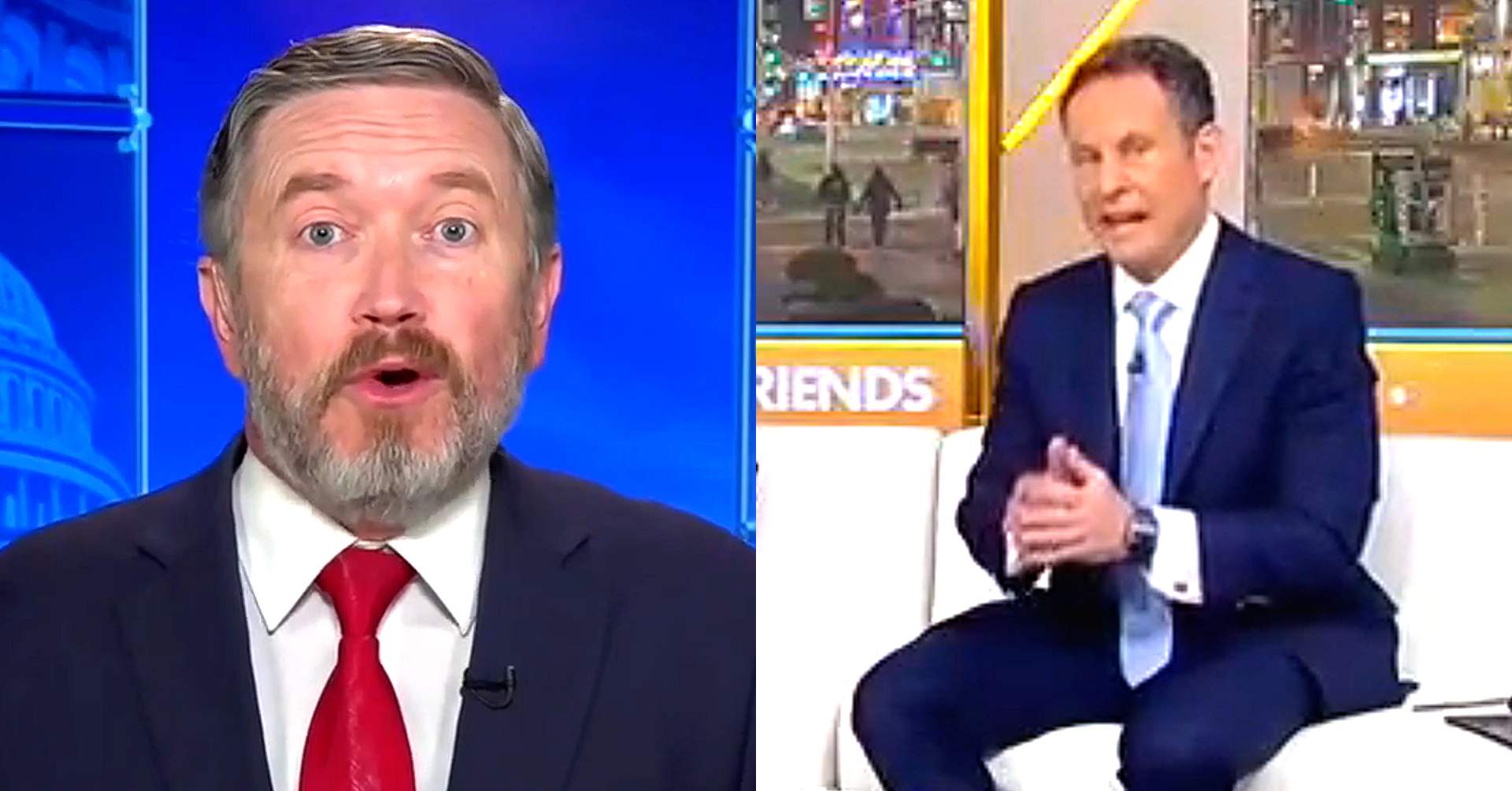
Republican Representative Thomas Massie of Kentucky recently engaged in a sharp public exchange with Fox News host Brian Kilmeade, directly accusing him of attempting to "cover up for rich men who raped girls." This pointed criticism, delivered on Friday, stemmed from a segment broadcast earlier that morning on Fox & Friends, during which Kilmeade had reportedly labeled Massie an "embarrassment" and questioned his motivations concerning the recent release of documents related to disgraced financier Jeffrey Epstein. The contentious interaction underscores persistent friction between certain conservative political figures and media personalities, particularly in the context of the politically charged Epstein scandal. Reports indicate that Massie, widely recognized as a critic of former President Donald Trump, played a significant role in a bipartisan legislative effort that successfully advocated for the public disclosure of the extensive Epstein files, a move that, according to various sources, had faced resistance from the Trump administration for an extended period. This public dispute has ignited a broader discussion about media ethics and political accountability.
The roots of this controversy are deeply embedded in the prolonged legal struggle surrounding the unsealing of documents pertinent to Jeffrey Epstein, who was convicted of sex trafficking offenses. According to numerous reports, Representative Massie emerged as a pivotal figure, leading a faction of Republican lawmakers who collaborated with their Democratic counterparts to compel a congressional vote on the matter. This collaborative legislative initiative ultimately cleared the path for the release of the comprehensive Epstein files, a development that, sources suggest, had been actively opposed by former President Donald Trump and his administration for several months. Massie's prominent involvement in this push for transparency highlights his often independent political stance, frequently positioning him outside the conventional Republican establishment and leading some observers to characterize him as a 'Trump nemesis.' The public disclosure of these files has reignited scrutiny into Epstein's network and the individuals connected to him, making Massie's role in their release a significant point of contention in political discourse.
The specific catalyst for Massie's fiery response was Kilmeade's commentary on the morning broadcast, where the Fox News host reportedly questioned the Kentucky congressman's intentions behind advocating for the Epstein file release. Massie's retort, accusing Kilmeade of attempting to shield powerful individuals implicated in serious crimes, brought the underlying tensions to the forefront. This public confrontation has sparked considerable debate regarding the responsibilities of journalists and the expectations of political figures in addressing sensitive issues of public interest. The documents in question, part of a protracted legal battle, contain information related to Epstein's extensive network, and their unsealing was a major victory for transparency advocates. Massie's leadership in this bipartisan push, as reported by various outlets, demonstrates a willingness to challenge established political lines, including those within his own party, to pursue what he views as accountability.
This high-profile clash between Representative Massie and Brian Kilmeade serves as a potent illustration of the ongoing ideological fissures within conservative circles, particularly concerning the role of media and accountability for powerful figures. Massie's willingness to directly confront a prominent Fox News personality, a network often seen as aligned with conservative viewpoints, underscores his independent political brand and his reputation as a 'Trump nemesis.' His bipartisan collaboration to release the Epstein files, despite reported resistance from the previous administration, suggests a prioritization of transparency over party loyalty in certain instances. Experts suggest that such public disagreements can erode trust in media institutions, even those traditionally favored by a specific political base, while simultaneously elevating figures like Massie who are perceived as challenging the establishment. The broader implications extend to how political figures navigate sensitive topics like the Epstein scandal, where accusations of cover-ups can carry significant weight and fuel public demand for greater scrutiny, irrespective of political affiliation. This incident highlights the complex interplay between media narratives, political agendas, and the pursuit of justice.
In conclusion, the sharp exchange between Representative Thomas Massie and Fox News host Brian Kilmeade has brought into stark relief the deep divisions and accountability questions surrounding the Jeffrey Epstein saga. Massie's forceful accusation, following Kilmeade's critical remarks, underscores the intense political stakes involved in the release of the Epstein files, a process Massie championed despite reported opposition from the Trump administration. This incident not only highlights Massie's distinct political identity, often at odds with mainstream Republicanism, but also ignites crucial conversations about journalistic integrity and the pursuit of justice for victims. As the public continues to digest the contents of the newly released documents, the ramifications of this bipartisan legislative effort and the subsequent media scrutiny are likely to continue shaping political discourse, emphasizing the enduring demand for transparency and accountability from all involved parties.