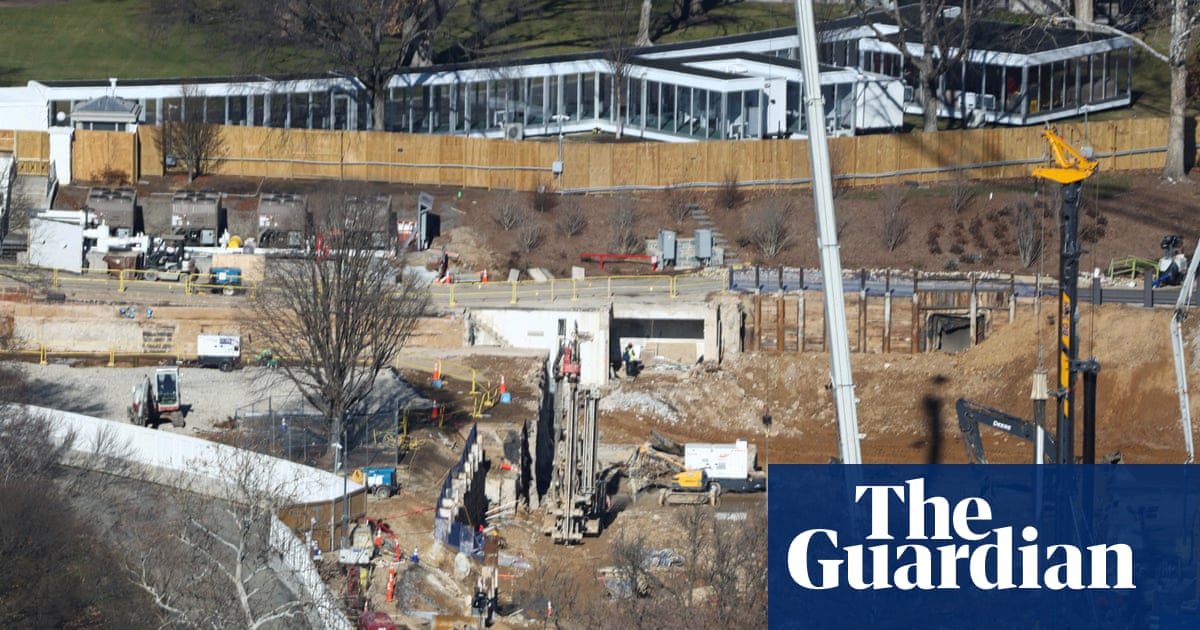
A federal oversight body, the National Capital Planning Commission (NCPC), has deferred its decision on a controversial proposal for a $400 million ballroom expansion at the White House. The expected vote, initially scheduled for Thursday, has been pushed to April 2nd, according to officials. This delay comes in response to a significant volume of public feedback, with a substantial majority expressing disapproval of the plans reportedly put forth by former President Donald Trump. Reports indicate that the commission received thousands of comments during the public input period, overwhelmingly against the proposed architectural addition. The chair of the commission explicitly cited the "large amount of public input" submitted during the public comment period as the primary reason for the postponement, underscoring the democratic process at play in reviewing such high-profile development projects impacting national landmarks. This move highlights the influence of public sentiment on major infrastructure and historical preservation decisions within the nation's capital, prompting a reevaluation of the project's immediate future.
The National Capital Planning Commission serves as a central planning agency for the federal government in the National Capital Region, playing a critical role in preserving the historical and architectural integrity of Washington D.C.'s federal assets. Its mandate includes reviewing development proposals for federal lands and buildings, ensuring they align with long-term plans for the capital's growth and character. The White House, a globally recognized symbol of American democracy and power, holds immense historical and cultural significance, making any proposed alteration subject to intense public and expert scrutiny. Projects involving such iconic structures often face rigorous review processes, balancing modernization needs with the imperative to maintain historical authenticity and public access. The proposed $400 million ballroom addition, reportedly conceived during the previous administration, represents a substantial undertaking that would significantly alter the footprint and potentially the aesthetic of the presidential residence, prompting widespread debate over its necessity and appropriateness for a national monument. Such a significant investment and structural change naturally attract considerable attention from historical preservationists, urban planners, and the general public, all keen to safeguard the nation's heritage.
The decision to delay the vote was directly influenced by an unprecedented influx of public commentary, with reports indicating thousands of submissions predominantly voicing opposition to the proposed White House expansion. While specific details of the public input were not immediately released, the sheer volume and negative leaning suggest concerns likely span financial implications, given the reported $400 million price tag, as well as potential impacts on the historical fabric and architectural harmony of the executive mansion. Citizens and advocacy groups frequently raise questions about the appropriate use of federal funds for such projects, especially when they involve significant alterations to a cherished national landmark that belongs to all Americans. The commission's acknowledgement of this "large amount of public input" underscores the public's vested interest in the preservation and development of the nation's capital and its most iconic buildings. The new target date for the commission's final deliberation is set for April 2nd, allowing additional time for commissioners to thoroughly review the extensive feedback before making a definitive determination on the controversial proposal, ensuring due diligence in the face of widespread public sentiment.
The postponement of the vote by the National Capital Planning Commission is widely interpreted as a significant victory for public engagement and a demonstration of the commission's commitment to considering citizen feedback on major federal projects. This delay suggests that the volume and nature of the public's objections were substantial enough to warrant a more thorough review, potentially indicating a reluctance among commissioners to proceed without fully addressing these concerns. Experts in urban planning and historical preservation often emphasize the importance of public consultation, particularly for developments affecting national heritage sites, viewing it as crucial for democratic accountability and ensuring projects align with broader societal values. The current situation highlights the delicate balance between executive vision for federal properties and the collective will of the populace, as expressed through official channels. Going forward, this incident could set a precedent for increased public scrutiny on future large-scale federal construction or renovation projects, particularly those perceived as costly or altering historical landmarks, reinforcing the idea that public opinion holds considerable sway in such critical decisions and can directly impact their progression.
In summary, the National Capital Planning Commission's decision to defer its vote on the proposed $400 million White House ballroom expansion until April 2nd underscores the powerful role of public input in federal planning processes. The overwhelming negative feedback received by the commission has compelled a pause, allowing for further consideration of the project's implications and demonstrating the responsiveness of regulatory bodies to citizen concerns. This development highlights the ongoing tension between ambitious development proposals and the public's desire to preserve national heritage and ensure fiscal responsibility, especially concerning iconic national symbols. As the new vote date approaches, all eyes will be on the NCPC to see how it navigates the significant public opposition against a project that seeks to dramatically alter one of America's most iconic structures. The outcome will not only determine the fate of the White House ballroom but also potentially influence the future trajectory of public participation in federal urban planning decisions, setting a benchmark for transparency and accountability in governmental projects.