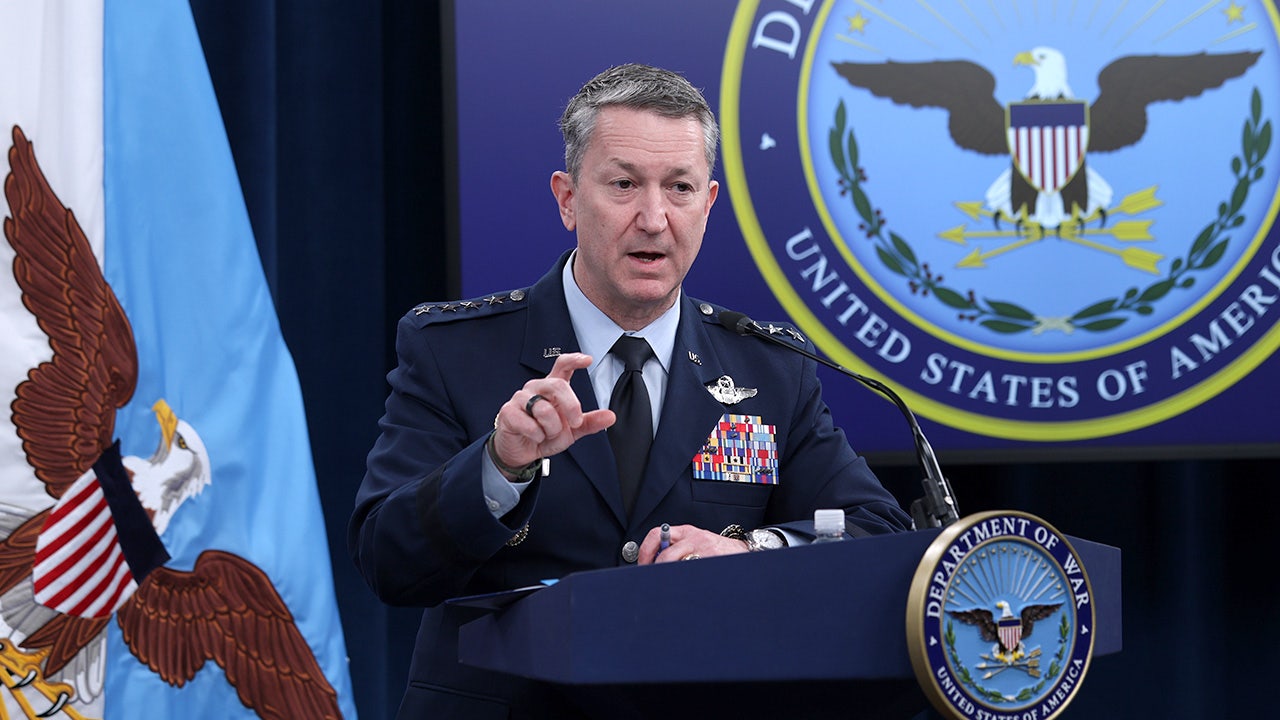
The Pentagon has formally recognized four of the six American service members who tragically lost their lives during a drone assault in Kuwait on March 1, an incident that occurred while they were providing support for Operation Epic Fury. Chairman of the Joint Chiefs of Staff, General Dan "Razin" Caine, made the somber announcement during a press briefing at the Pentagon on Wednesday morning, where he was joined by Department of War Secretary Pete Hegseth. General Caine conveyed a message of profound sorrow and appreciation as he shared the identities of these four individuals, all of whom were members of the 103rd Sustainment Command, a U.S. Army Reserve unit based out of Des Moines, Iowa. The attack, which officials confirmed is still under active investigation, took place at the strategically important Port of Shuaiba, underscoring the inherent risks faced by military personnel in the region. The remaining two fallen soldiers have not yet been publicly named, pending the completion of next of kin notifications, a process the military prioritizes out of respect for the affected families.
The March 1 drone strike in Kuwait represents a significant and tragic event within the broader context of Operation Epic Fury, a military endeavor that has seen extensive U.S. engagement in the region. Reports indicate that in the initial 72 hours of Operation Epic Fury, American forces conducted strikes against more than 1,700 targets in Iran, highlighting the intense operational tempo and heightened tensions characterizing the mission. The 103rd Sustainment Command, to which the fallen service members belonged, plays a critical role in logistical support, ensuring that frontline units have the necessary resources to conduct their operations effectively. Their deployment to the Port of Shuaiba in Kuwait underscores the strategic importance of this location as a vital hub for military logistics and supply lines in the Middle East. This incident brings into sharp focus the vulnerabilities that even support personnel face in a complex operational environment, where asymmetric threats like drone attacks pose persistent challenges to force protection.
During the Pentagon briefing, General Caine meticulously identified the four service members whose names were cleared for public release. These heroes include Captain Cody Khork, 35, from Lakeland, Florida; Sergeant 1st Class Noah Tietjens, 42, hailing from Bellevue, Nebraska; Sergeant 1st Class Nicole Amor, 39, from White Bear Lake, Minnesota; and Sergeant Declan Coady, 20, a resident of Des Moines, Iowa. General Caine extended heartfelt condolences to the families of the fallen, expressing the nation's shared grief and anticipation of their loved ones' return to Dover Air Force Base in the coming days. He reiterated the military's commitment to withholding the names of the two additional casualties until all next of kin have been properly informed, a standard procedure to ensure privacy and respect during a time of immense personal loss. The Chairman of the Joint Chiefs also offered a solemn pledge to Gold Star families and wounded warriors, affirming that their sacrifices would "never be forgotten" and commending their courage, resilience, and unwavering devotion to both the mission and the nation.
The drone attack at the Port of Shuaiba, claiming the lives of six U.S. service members, carries significant implications for regional security and U.S. military posture. While the specific details of the ongoing investigation remain undisclosed, the incident highlights the evolving nature of threats in the Middle East, where adversaries increasingly employ sophisticated, yet often low-cost, technologies like drones. This event underscores the persistent dangers faced by American forces, even in areas traditionally considered rear-echelon support zones like Kuwait. The fact that these soldiers were part of a sustainment command supporting Operation Epic Fury, an operation involving extensive strikes against targets in Iran, suggests a potential linkage to broader geopolitical tensions. Experts might view this attack as a stark reminder of the challenges in maintaining security for logistical operations and the potential for escalation in a volatile region, necessitating continuous adaptation of force protection measures and intelligence gathering to counter such threats effectively.
In the wake of this tragic loss, the U.S. military continues its commitment to supporting the families of the fallen and ensuring a thorough investigation into the March 1 drone attack. The public identification of four of the six service members from the 103rd Sustainment Command serves as a solemn tribute to their sacrifice, while the delay in naming the remaining two underscores the military's dedication to proper notification protocols. As the nation mourns these losses, the Pentagon's pledge to remember their courage and devotion resonates deeply. The ongoing inquiry into the incident at the Port of Shuaiba will be crucial in understanding the circumstances of the attack and informing future security strategies for U.S. personnel operating in the Middle East, particularly within the context of ongoing missions like Operation Epic Fury. The coming days will see the repatriation of the fallen, a somber but essential step in honoring their service.