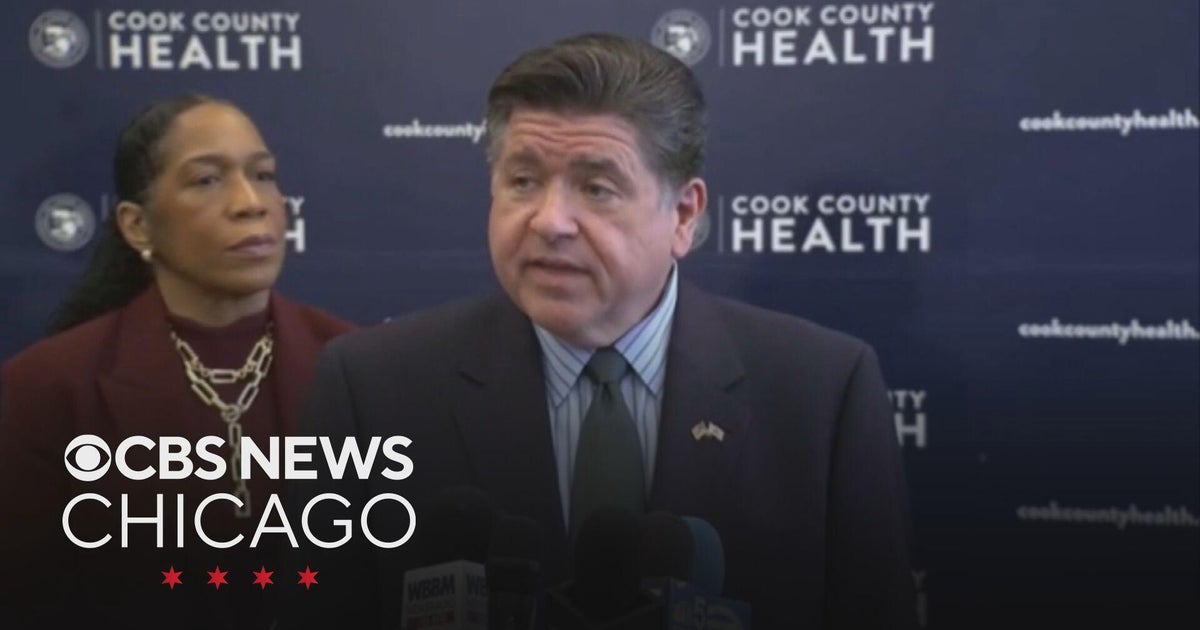
Illinois Governor JB Pritzker has issued a definitive denial regarding any travel on the private aircraft owned by the late financier and convicted sex offender Jeffrey Epstein. This clarification comes in the wake of former President Bill Clinton's testimony before the House Oversight Committee, during which Pritzker's name reportedly surfaced. According to initial reports, Clinton's statement, which has since been formally retracted, prompted the need for Governor Pritzker to address the matter directly. The incident underscores the persistent scrutiny faced by public figures whose names become associated, however fleetingly or erroneously, with the extensive network surrounding Epstein. Pritzker's office moved swiftly to counter the implication, emphasizing that the governor has no connection to Epstein's travel logs or his controversial activities. The retraction of Clinton's testimony suggests an acknowledgment of an error in the initial statement, yet the mere mention during a high-profile congressional deposition necessitated an immediate and unequivocal response from the governor's administration to prevent misinterpretation and quell public speculation.
The broader context of this situation involves the enduring public and legal fascination with Jeffrey Epstein's illicit activities and the high-profile individuals who were, at various times, linked to him. Following Epstein's arrest and subsequent death, extensive investigations have sought to uncover the full scope of his operations and the identities of those who may have facilitated or benefited from his criminal enterprise. Any mention of a prominent political figure, such as a sitting governor or former president, in connection with Epstein's private transportation immediately triggers significant public interest and media attention. The House Oversight Committee's deposition of former President Clinton is part of ongoing efforts to understand various aspects of public life and potential influence, and the emergence of any name, even if later withdrawn, highlights the sensitivity surrounding the Epstein scandal. This incident serves as a stark reminder of the long shadow cast by Epstein's actions and the continued public demand for transparency regarding his associations.
The process by which information emerges during high-stakes depositions, and subsequently corrected, is a critical aspect of this development. Depositions, by their nature, involve individuals providing testimony under oath, but initial statements can sometimes contain inaccuracies or be subject to later revision based on further recall or clarification. In this instance, former President Clinton's testimony, which reportedly included Governor Pritzker's name in connection with Epstein's plane, was subsequently retracted. This retraction indicates that the initial mention was deemed incorrect or unsubstantiated upon further review or clarification by Clinton or his legal representatives. For a public official like Governor Pritzker, a swift and unequivocal denial is paramount to protect his reputation and maintain public trust. The immediate response from Pritzker's team underscores the seriousness with which such allegations, even if based on retracted testimony, are treated in the current political and media landscape, where even a fleeting, unsubstantiated link can generate significant public discourse.
From an analytical perspective, this incident illuminates the delicate balance public figures must strike when navigating allegations, even those proven to be erroneous or retracted. While Governor Pritzker's denial and the retraction of the original testimony effectively resolve the specific claim against him, the initial mention itself can create a ripple effect. In the realm of public perception, the mere association, however brief or unfounded, can become a talking point, requiring sustained efforts to reinforce the truth. Political analysts suggest that such situations underscore the heightened scrutiny applied to elected officials and prominent personalities, particularly concerning matters that touch upon sensitive public scandals. The swiftness of Pritzker's denial was crucial in preventing prolonged speculation, demonstrating a proactive approach to managing potential reputational risks. This event also highlights the ongoing vigilance required by public figures to monitor and respond to information emerging from complex legal and political proceedings.
In conclusion, Governor JB Pritzker has firmly denied any travel on Jeffrey Epstein's private plane, directly addressing a claim that reportedly arose during former President Bill Clinton's deposition with the House Oversight Committee. The subsequent retraction of Clinton's testimony regarding Pritzker's name reinforces the governor's position and effectively closes this specific line of inquiry. This episode serves as a powerful illustration of how information, even if later corrected, can momentarily entangle high-profile individuals in sensitive public discussions. The swift and clear denial from Governor Pritzker's office was instrumental in managing the narrative and reaffirming his non-association with Epstein's controversial activities. As investigations into Epstein's network continue, the public remains attentive to any new information, and public figures will likely continue to face scrutiny over any perceived connections, however remote or erroneous.