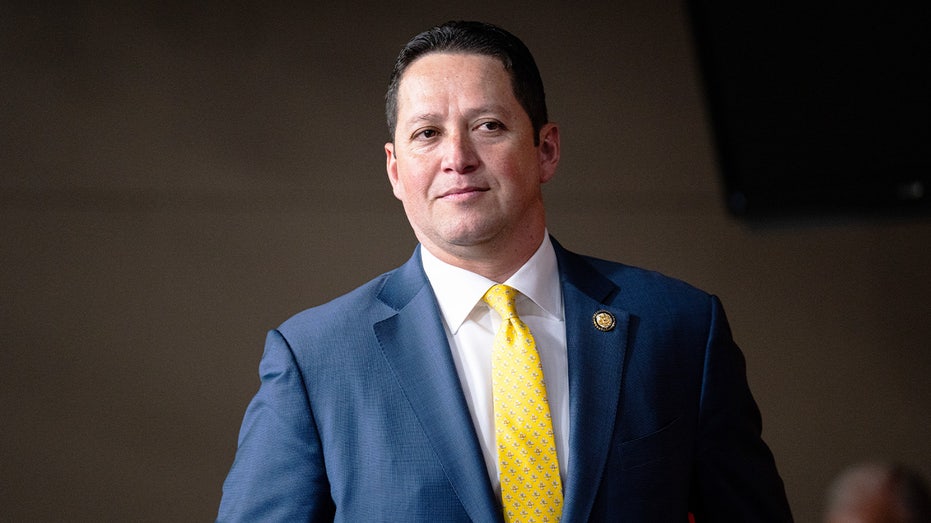
Representative Tony Gonzales, a Republican from Texas, has declared he will not seek another term in Congress, a decision made public on Thursday evening. This announcement comes amidst a House Ethics Committee investigation into an admitted affair with a former member of his staff. The congressman, who is married and a father of six, first acknowledged the extramarital relationship on Wednesday, just one day after successfully advancing to a runoff election in his district's GOP primary. The confluence of these events—a personal admission, a federal ethics inquiry, and a critical juncture in his re-election campaign—marks a significant turning point in his political career, prompting a re-evaluation of his future in public service. His decision to step down at the end of his current term ensures he will not be on the ballot for the upcoming general election, leaving his district's representation open for new contenders.
The House Ethics Committee's role is to investigate alleged violations of House rules, standards of conduct, and federal laws, ensuring accountability for members of Congress. An investigation by this body can carry serious implications for a lawmaker's standing and career, often leading to public scrutiny and potential disciplinary actions depending on its findings. For Representative Gonzales, the timing of the probe and his subsequent admission adds a complex layer to the political landscape of his district. His confession, made during an appearance on a conservative talk radio program, followed closely on the heels of his primary election success, where he secured a spot in the runoff. This sequence of events—advancing in a competitive primary only to withdraw from the general election race due to personal conduct issues—highlights the intense pressures and expectations placed upon elected officials, particularly concerning their personal integrity and adherence to ethical standards.
According to reports, Representative Gonzales publicly confessed to the affair on Wednesday, a pivotal disclosure that occurred mere hours after voters in his congressional district had cast their ballots in the Republican primary. His advancement to the runoff election, confirmed on Tuesday, set the stage for a further electoral contest, which he has now chosen to forgo. In a statement released following his decision, Gonzales reflected on his extensive public service, noting, "At 18, I swore an oath to defend our nation against all enemies, foreign and domestic." He further emphasized his dedication throughout two decades in the military and three terms in Congress, stating, "I have fought for that cause with absolute dedication to the country that I love." The congressman also cited his commitment to his constituents, referencing efforts to address the border crisis and his support for communities affected by the tragic school shooting in Uvalde, Texas, asserting his philosophy to "always fight for the greater good." He concluded by affirming his intention to serve out the remainder of his current term with unwavering commitment to his district, expressing gratitude to those he represents.
The decision by Representative Gonzales to withdraw from re-election, particularly under the cloud of a House Ethics investigation and an admitted affair, carries significant implications for both his personal legacy and the political dynamics within his Texas district. Political analysts suggest that such circumstances often lead to a loss of public trust and can severely hinder a politician's ability to effectively govern or seek future office. While the full scope and outcome of the ethics probe remain to be seen, the voluntary withdrawal from the race indicates a recognition of the challenges an ongoing investigation would pose to a re-election campaign. This situation also creates an unexpected vacancy in the Republican primary runoff, potentially altering the field of candidates and the eventual representation for the district. The focus now shifts to how the Republican Party will navigate this development and what impact it will have on the upcoming electoral cycle, especially as constituents consider the qualities they seek in their next representative.
In summary, Representative Tony Gonzales's announcement not to seek re-election marks a dramatic conclusion to his current political aspirations, driven by an admitted affair and an active House Ethics investigation. His decision, made shortly after securing a spot in his party's primary runoff, underscores the profound impact of personal conduct on public service and electoral viability. While he has committed to fulfilling his current term, his withdrawal opens a new chapter for his Texas congressional district, necessitating a fresh contest for leadership. The ongoing ethics inquiry will likely continue, and its findings could further shape the narrative surrounding his departure. As the political landscape in Texas adapts to this development, all eyes will be on the process of selecting a new Republican candidate to vie for the seat, ensuring the district's voice is heard in the next Congress.