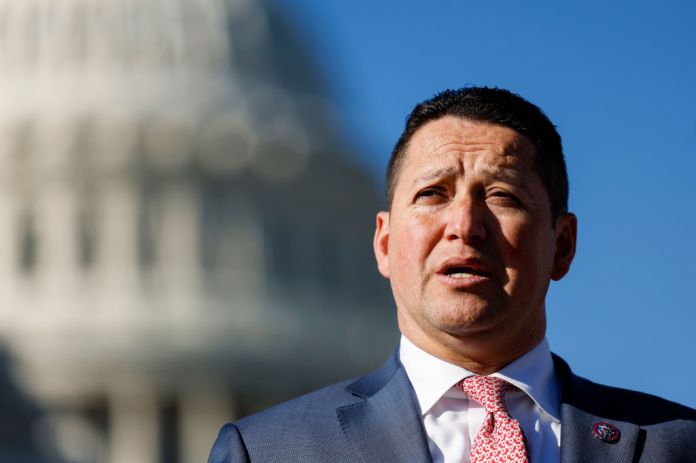
The House Ethics Committee has initiated a formal inquiry into Representative Tony Gonzales, a Republican from Texas, following serious accusations concerning his conduct with a former member of his congressional staff. Reports indicate the committee is examining claims of sexual misconduct involving an individual who was employed in his office, alongside allegations that he unfairly granted special privileges or favors. Central to these inquiries are reports suggesting an alleged extramarital affair with Regina Santos-Aviles, a former staffer who tragically passed away in September following a self-immolation incident. This development marks a significant step in addressing the gravity of the allegations against the sitting congressman, underscoring the rigorous ethical standards expected of public officials and the legislative body's commitment to investigating potential breaches of conduct.
The House Ethics Committee serves as the primary body responsible for upholding standards of conduct for members, officers, and employees of the U.S. House of Representatives. Its mandate includes investigating alleged violations of House rules, federal laws, and other standards of official conduct, ensuring integrity and public trust in the legislative process. Investigations by this bipartisan panel are often initiated following complaints or public reports of misconduct, aiming to maintain the decorum and ethical framework of Congress. The specific allegations against Representative Gonzales, involving both sexual misconduct and potential abuse of power through favoritism, touch upon fundamental ethical principles governing congressional offices. The tragic death of the former staffer, Regina Santos-Aviles, in September adds a somber and complex dimension to the ongoing scrutiny, underscoring the serious nature of the claims being examined by the committee.
The formal announcement from the House Ethics Committee explicitly outlines the scope of its investigation into Representative Gonzales. According to the committee's public statement, the inquiry will delve into whether the congressman "engaged in sexual misconduct towards an individual employed in his congressional office." Furthermore, the committee will examine if he "discriminated unfairly by dispensing special favors or privileges," suggesting a potential misuse of his official position and a breach of fair employment practices within a congressional setting. Sources familiar with the matter indicate that these broad categories of inquiry specifically relate to allegations of an affair with Regina Santos-Aviles, who was reportedly married at the time of the alleged relationship and served as a staff member in Gonzales's office. The timing of Santos-Aviles's death in September, described as a self-immolation, adds a layer of profound sensitivity and urgency to the committee's proceedings, as it seeks to ascertain the facts surrounding the alleged conduct and its implications.
An investigation by the House Ethics Committee carries significant implications for any sitting member of Congress, regardless of the eventual outcome. Such inquiries can be lengthy and resource-intensive, often drawing considerable public and media attention, which can distract from legislative duties and potentially damage a representative's political standing. For Representative Gonzales, a Republican from Texas, the initiation of this probe means facing intense scrutiny over his personal and professional conduct. While the committee's process is designed to be thorough and confidential until findings are released, the mere existence of an investigation into allegations of sexual misconduct and favoritism can erode public trust and create challenges within his own party and constituency. Expert observers suggest that the committee's findings, whether exonerating or sanctioning, will play a crucial role in shaping Gonzales's future political career and could influence perceptions of accountability within the legislative branch, especially given the tragic circumstances surrounding the former staffer.
In summary, Representative Tony Gonzales is now under formal investigation by the House Ethics Committee following serious allegations of sexual misconduct and unfair favoritism involving a former staff member, Regina Santos-Aviles, who tragically died in September. The committee's inquiry will specifically address whether Gonzales engaged in inappropriate sexual conduct with an employee and if he misused his position to grant special privileges. This development underscores the rigorous ethical standards expected of congressional members and the mechanisms in place to address alleged breaches. As this remains a developing situation, the public and political observers will closely monitor the progress of the House Ethics Committee's investigation, awaiting further announcements or findings that will shed more light on the veracity of the claims and the potential consequences for Representative Gonzales. The outcome will undoubtedly have ramifications for his political career and the broader discourse on accountability in public office.