During a recent deposition concerning her associations with the late convicted sex offender Jeffrey Epstein, former Secretary of State Hillary Clinton reportedly employed a consistent strategy of denial and redirection. According to statements made by Representative James Comer, who was present during the questioning, Clinton repeatedly shifted inquiries regarding Epstein and his key associate, Ghislaine Maxwell, towards her husband, former President Bill Clinton. Representative Comer indicated that on more than a dozen separate occasions, Mrs. Clinton responded to direct questions by stating, “I don’t know, you’ll have to ask my husband.” This approach, as detailed by those observing the proceedings, highlights the ongoing scrutiny surrounding the extensive network of high-profile individuals connected to Epstein’s illicit activities and the persistent public demand for transparency and accountability. The deposition itself represents a significant development in the continuing efforts to understand the full scope of Epstein's operations and the roles, if any, played by his prominent acquaintances.
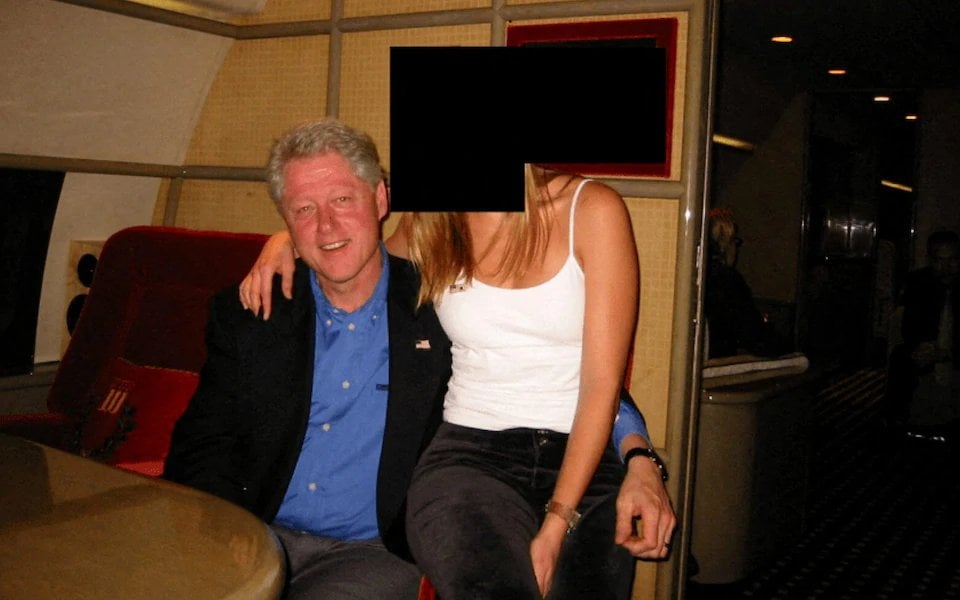
The context surrounding Hillary Clinton's deposition is rooted in the long-standing and deeply disturbing saga of Jeffrey Epstein, a financier convicted of sex trafficking offenses who died in federal custody in 2019. Epstein cultivated an extensive network of powerful and influential friends across politics, business, and entertainment, raising persistent questions about who knew what, when, and to what extent they may have been involved or complicit. Ghislaine Maxwell, a British socialite and Epstein's former girlfriend, was convicted in 2021 for her role in facilitating his abuse of underage girls, further intensifying public and legal interest in Epstein's inner circle. The Clinton family's connections to Epstein have been a subject of public discussion for years, particularly concerning former President Bill Clinton's past flights on Epstein's private jet, dubbed the 'Lolita Express,' and his visits to Epstein's various properties. These historical ties underscore the significance of any testimony provided by individuals within the Clintons' orbit regarding their knowledge of Epstein's activities.
Representative James Comer, offering insights into the deposition proceedings, detailed the specific nature of Hillary Clinton's responses. According to Comer, the former First Lady consistently referred questioners to her husband whenever inquiries touched upon her knowledge of Epstein or his co-conspirator, Ghislaine Maxwell. This pattern of response, reportedly occurring over twelve times, suggests a deliberate strategy to distance herself from direct knowledge of Epstein's affairs while simultaneously implicating her husband as the primary point of contact or information. While the precise questions posed during the deposition have not been fully disclosed, it is understood that they pertained to the extent of her awareness of Epstein's criminal enterprise and her interactions with individuals within his orbit. Observers of the proceedings have noted that such a consistent redirection of responsibility, particularly in a formal legal setting, can be interpreted as an attempt to control the narrative and minimize personal liability, shifting the burden of explanation to another party.
The reported strategy employed by Hillary Clinton during her deposition carries significant implications, both legally and in the realm of public perception. By consistently directing inquiries about Jeffrey Epstein and Ghislaine Maxwell towards Bill Clinton, she effectively positions her husband as the central figure with relevant information, potentially exposing him to increased scrutiny and further questioning. This approach could be seen by some as a calculated move to protect her own standing while simultaneously deflecting intense public and legal pressure. For an individual of Hillary Clinton's political stature, every statement made under oath is meticulously scrutinized, and a pattern of deflection can invite criticism regarding transparency and accountability. Analysts suggest that this tactic, while perhaps legally sound in certain contexts, risks alienating a public eager for full disclosure regarding the high-profile figures entangled in the Epstein scandal and could reignite debates about the extent of knowledge among Epstein's powerful associates.
In conclusion, Hillary Clinton's recent deposition regarding her connections to Jeffrey Epstein has brought renewed attention to the enduring questions surrounding the disgraced financier's network. Her reported strategy of consistently referring inquiries about Epstein and Ghislaine Maxwell to former President Bill Clinton, as detailed by Representative James Comer, marks a notable development in the ongoing investigations. This approach underscores the persistent efforts by legal and public bodies to uncover the full truth behind Epstein's operations and hold all associated parties accountable. As the legal proceedings continue and public interest remains high, the implications of such high-profile testimony will undoubtedly continue to unfold, shaping future discussions about transparency, responsibility, and the powerful individuals linked to one of the most notorious criminal cases of our time. The public will be watching closely for any further developments or subsequent actions stemming from these revelations.