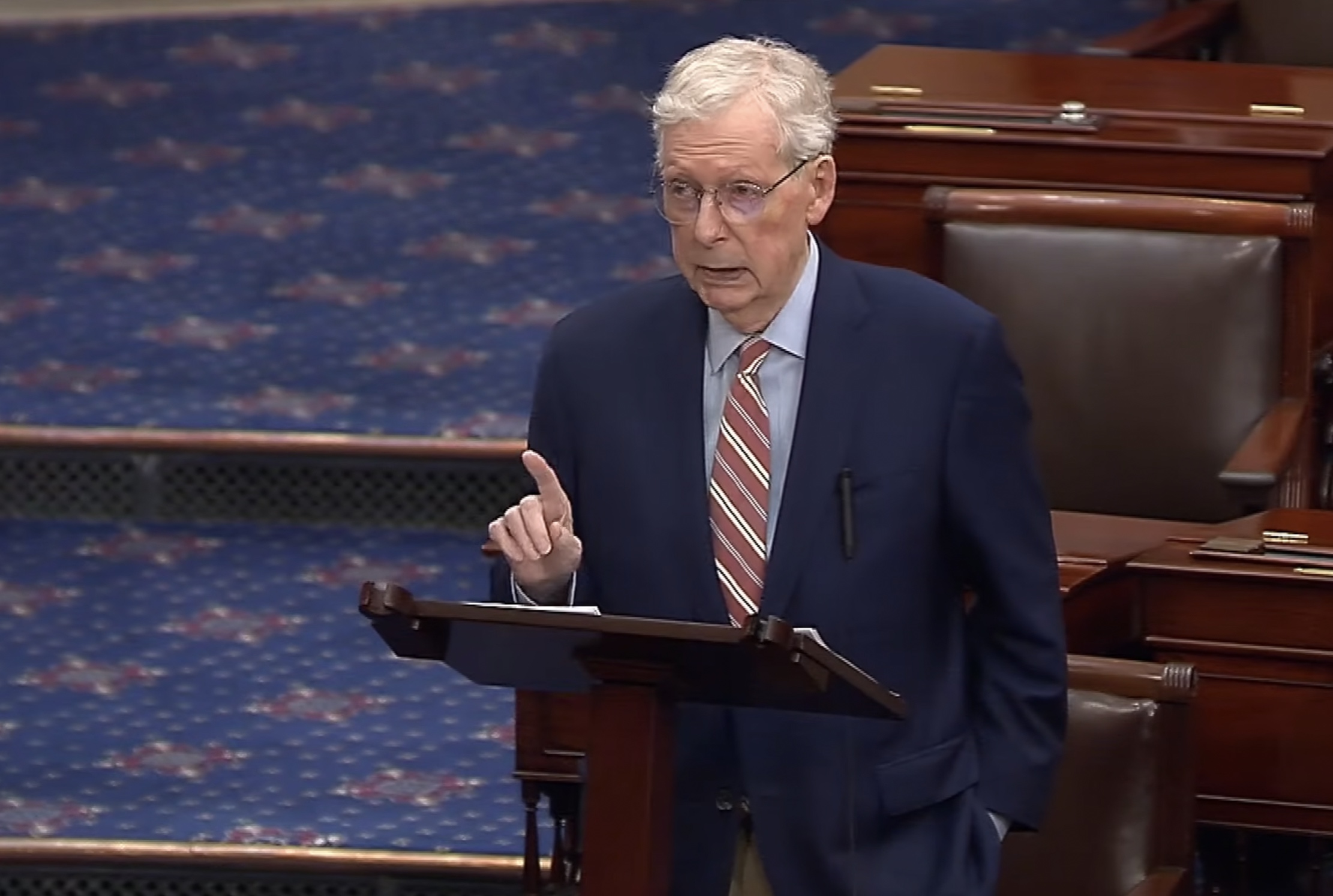
The United States Senate recently failed to advance a critical war powers resolution aimed at potentially curtailing military actions in Iran, a move that effectively grants the Trump administration implied congressional consent to continue its current course. On Wednesday, lawmakers held a vote not on the resolution itself, but on a procedural motion to bring the measure to the floor for full consideration. This motion did not pass, leaving the legislative branch's role in authorizing military force in a state of ambiguity. Senator Rand Paul, the sole Republican publicly supporting the initiative, underscored the gravity of the moment, stating, "This essentially is the vote whether to go to war or not." Despite the profound implications of such a decision, reports indicate that the Senate's discussions leading up to the vote were notably disjointed and often veered significantly from the pressing issue of military engagement, raising concerns about the legislature's focus on matters of war and peace.
The context surrounding this vote is deeply rooted in the constitutional framework dividing war-making powers between the executive and legislative branches. War powers resolutions are designed to reassert Congress's authority, typically requiring presidential administrations to seek explicit congressional approval for prolonged military engagements or to cease hostilities after a specified period. The failure of this particular motion to even reach a full debate stage represents a significant moment in the ongoing tension between presidential prerogative and congressional oversight in foreign policy. Historically, Congress has often struggled to effectively exercise its constitutional role in declaring war, frequently ceding ground to the executive. Observers suggest that the Senate's recent proceedings, characterized by a lack of coherent discussion on the resolution's merits or the broader implications of military action in Iran, reflect a broader pattern of legislative abdication, further empowering the executive branch in matters of national security.
The nature of the Senate's deliberations preceding the vote drew considerable scrutiny, with reports highlighting a profound disconnect between the urgency of the subject matter and the actual content of the speeches. An eight-hour video recording of the session, for instance, reportedly contained only a fraction of substantive discussion on war powers. Instead, senators frequently diverted into a wide array of unrelated topics, including professional sports like hockey, popular streaming services such as Netflix, domestic policy issues like healthcare and tax cuts, and even specific local concerns like housing shortages in Pennsylvania. One notable example cited was Colorado Democrat John Hickenlooper, who, during a speech ostensibly related to the war, delivered what appeared to be a campaign address. His remarks touched upon job growth, rent, and childcare, while also referencing economic data from Moody's, noting that the top 10% of U.S. households account for nearly half of all spending, and criticizing the president for boosting the 'powerful and well-connected.' His office later publicly shared a transcript of this speech, further illustrating the broad scope of topics introduced during a debate on a critical war powers resolution.
The fragmented and often irrelevant discourse during such a pivotal legislative moment raises serious questions about the effectiveness and focus of the United States Senate. Analysts suggest that the inability of the legislative body to maintain a coherent discussion on a matter of war and peace signals a deeper institutional challenge. The reported 'incoherent series of self-negating rhetorical maneuvers' and the apparent lack of a shared understanding of the debate's purpose among senators could undermine public confidence in Congress's capacity to provide meaningful checks and balances on executive power. This situation is particularly concerning when considering the potential for military conflict, where clear, focused deliberation is paramount. Expert perspectives indicate that such legislative disarray not only diminishes the Senate's constitutional authority but also sends a troubling message about the seriousness with which critical national security decisions are approached, potentially emboldening future executive actions without robust congressional scrutiny.
In conclusion, the Senate's procedural vote on the Iran war powers resolution ultimately failed, leaving the Trump administration with an implied green light for continued military engagement in the region. The preceding 'debate,' widely criticized for its lack of focus and inclusion of numerous unrelated topics, underscored a significant challenge within the legislative process. This outcome highlights a missed opportunity for Congress to reassert its constitutional role in authorizing military force and raises profound questions about the legislative branch's ability to engage effectively on matters of war and peace. Moving forward, observers will be watching to see if this pattern of disjointed deliberation persists, and what, if any, future mechanisms Congress might employ to ensure more focused and substantive oversight of executive military actions.