The United States Senate, on Wednesday, voted against advancing a Democratic-sponsored resolution aimed at requiring explicit congressional authorization for any American military engagement with Iran. The procedural vote, which sought to compel the withdrawal of U.S. armed forces from any hostilities involving Iran not sanctioned by Congress, concluded with a tally of 47 in favor and 53 opposed, effectively preventing the measure from proceeding. This significant legislative maneuver unfolded shortly after a series of American military strikes targeting Iran. Proponents of the resolution, primarily from the Democratic party, emphasized the critical importance of compelling lawmakers to formally declare their stance on the President's authority to initiate military actions in the region. The outcome underscores the ongoing contentious debate over executive war powers and legislative oversight, particularly in the volatile context of Middle Eastern geopolitics. Senator Rand Paul, a Republican who co-sponsored the initiative, notably cast the sole Republican vote in its favor, while Democratic Senator John Fetterman was the only member of his party to vote against it, highlighting the unusual bipartisan splits on this issue.
This recent Senate vote is set against a complex backdrop of historical tensions between the United States and Iran, exacerbated by recent escalations. The procedural motion was introduced in the immediate aftermath of American military operations against Iran, which, according to reports, resulted in the fatalities of several Iranian officials, including the nation's supreme leader, Ayatollah Ali Khamenei. These strikes intensified existing concerns within Congress regarding the scope of presidential authority to deploy military force without explicit legislative consent, a debate rooted in the War Powers Resolution of 1973. That act, passed in the wake of the Vietnam War, aimed to limit the President's ability to commit U.S. forces to armed conflict without congressional approval, though its effectiveness has been a subject of continuous contention. The current resolution sought to reaffirm Congress's constitutional prerogative to declare war and authorize military engagements, reflecting a persistent desire among some legislators to reclaim oversight of foreign policy decisions that could lead to prolonged conflicts in the Middle East, a region already weary from decades of American military involvement.
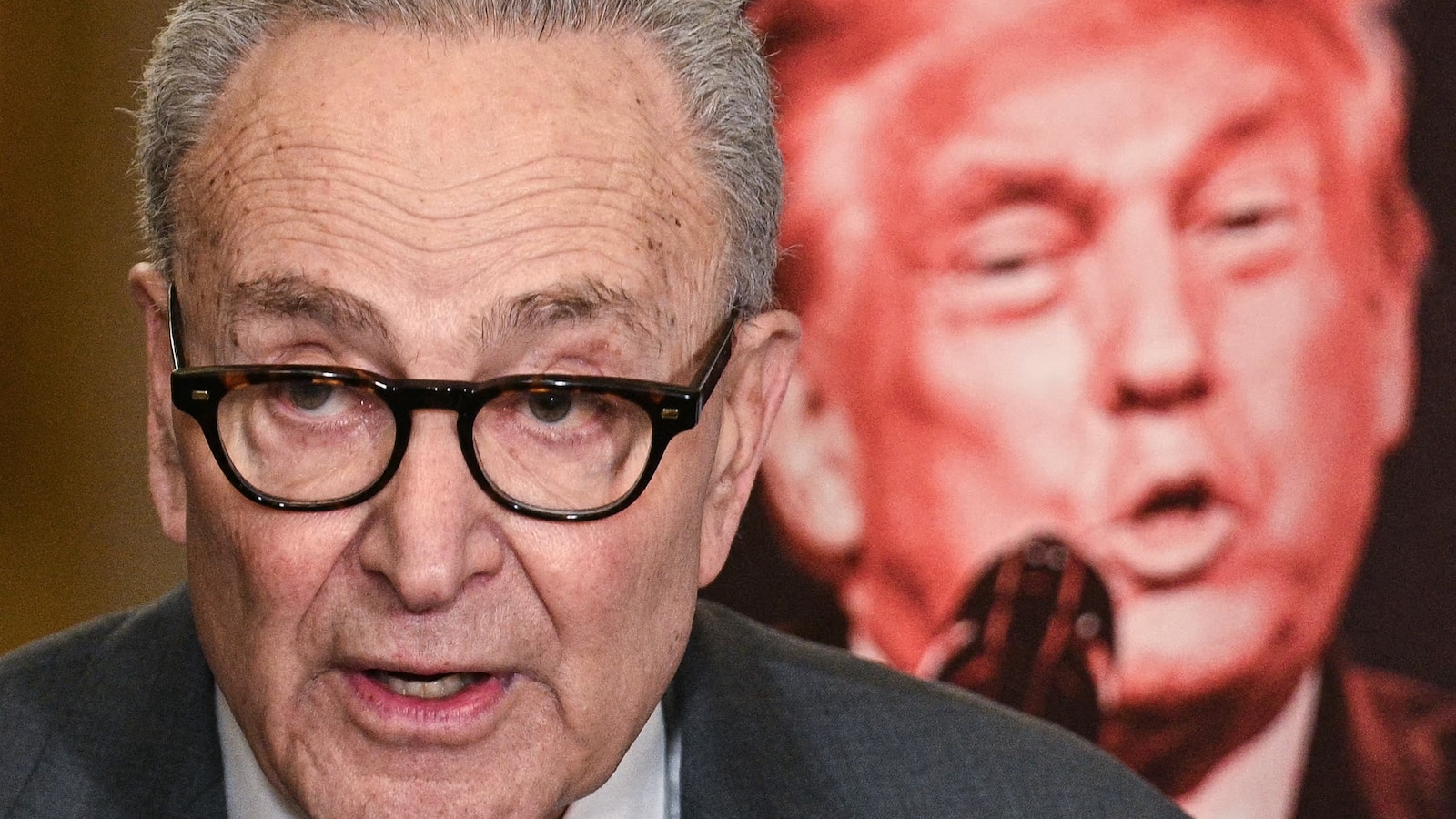
The specific voting pattern on the resolution revealed a rare cross-party dynamic, with Senator Rand Paul, a Republican, aligning with the Democratic majority in supporting the measure he co-sponsored, while Senator John Fetterman stood as the sole Democrat opposing it. Minority Leader Chuck Schumer, a key figure in pushing for the vote, delivered a passionate address on the Senate floor earlier on Wednesday. He framed the vote as a crucial moment for every senator to take a definitive stand: either with the American populace, who, he asserted, are "exhausted of forever wars in the Middle East," or in perceived alignment with figures like Donald Trump and Pete Hegseth, whom he suggested were inadvertently leading the nation into another conflict. Similarly, Democratic Senator Tim Kaine, another co-sponsor of the bill, articulated the fundamental principle that any act of war necessitates congressional endorsement. Kaine underscored the gravity of sending American service members into harm's way, stating that such a decision demands thorough debate, a determination of national interest, and a formal vote by elected representatives, thereby placing their collective "signature and thumbprint" on the justification for risking lives. Conversely, a significant number of Republican senators openly expressed their backing for the Trump administration's actions concerning Iran, indicating a clear partisan divide on the executive's role in foreign military engagements.
The failure of this war powers resolution to advance carries significant implications for the balance of power between the executive and legislative branches regarding military action. Analysts suggest that the vote reinforces the executive branch's broad interpretation of its authority to conduct military operations without explicit congressional declaration of war, particularly in situations deemed to involve national security interests or responses to perceived threats. This outcome could embolden future administrations, regardless of party affiliation, to undertake similar actions, potentially sidestepping the legislative body's constitutional role in authorizing conflict. Furthermore, the vote highlights the deep ideological chasm within Congress concerning foreign policy, with some lawmakers prioritizing a robust presidential capacity for swift action, while others champion congressional oversight to prevent what they view as unchecked executive power leading to protracted and costly engagements. The Democratic leadership has indicated that the possibility remains open for introducing similar resolutions in the future, suggesting that the debate over war powers and congressional checks on presidential authority in the Middle East is far from over and will likely continue to shape foreign policy discussions.
In conclusion, the Senate's rejection of the Iran war powers resolution marks a pivotal moment in the ongoing national conversation about the limits of presidential authority in deploying military force. Despite strong advocacy from Democratic leaders and a rare bipartisan co-sponsorship, the measure failed to garner sufficient support, leaving the executive branch with considerable latitude in its approach to Iran. This outcome, occurring in the wake of recent U.S. military strikes and reported high-profile casualties, underscores the persistent challenges in asserting congressional oversight over foreign policy decisions. While this specific resolution will not proceed, the stated intention of Democrats to potentially reintroduce similar measures ensures that the debate over "forever wars" and the constitutional prerogative for war authorization will remain a central theme in Washington. Observers will closely monitor future developments in U.S.-Iran relations and any subsequent legislative efforts to redefine the parameters of military engagement.