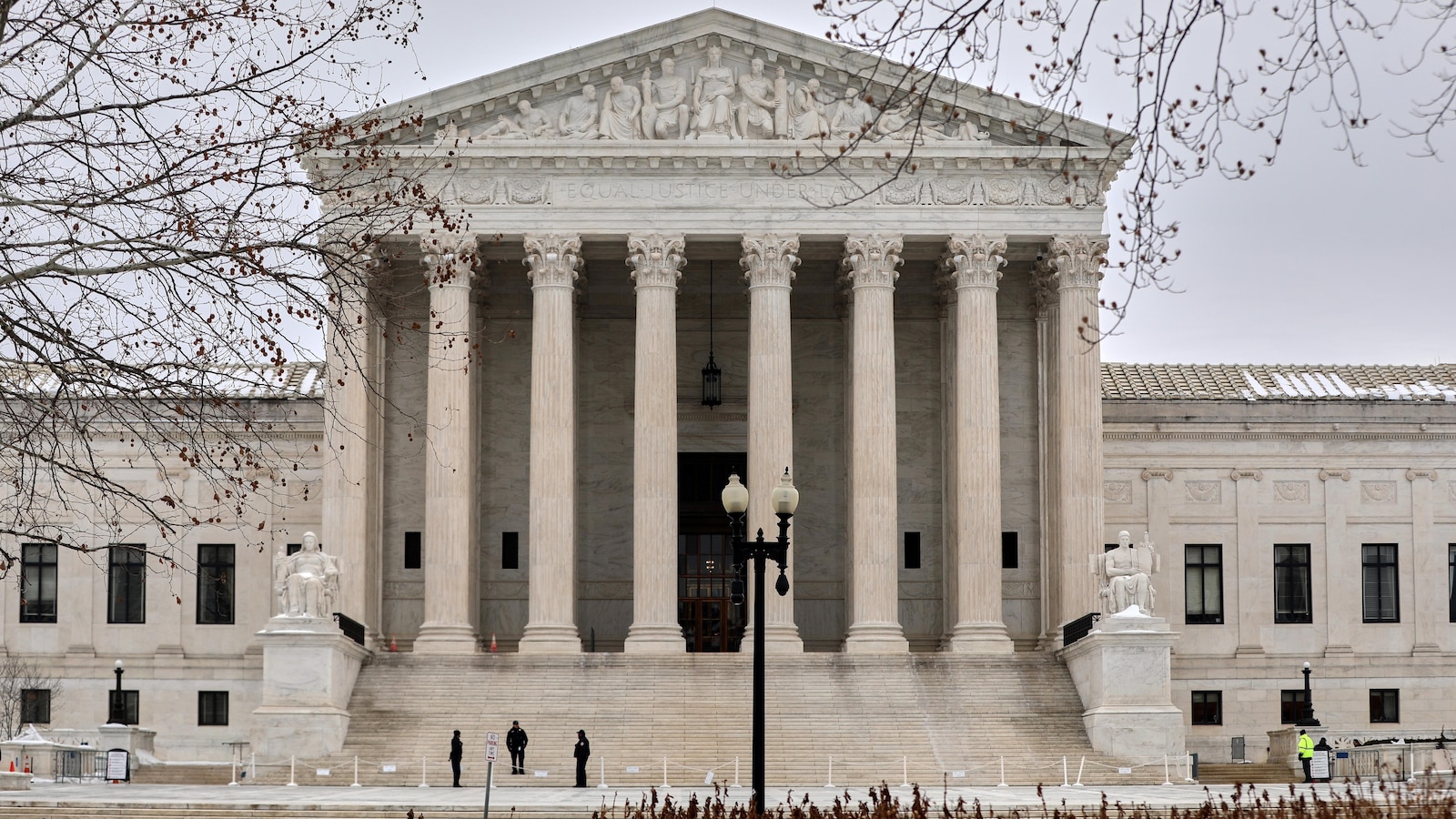
The United States Supreme Court has recently intervened in a significant legal debate, effectively permitting educational institutions in California to disclose to parents if their children identify as transgender, even in situations where the student has not provided consent. This pivotal development, which occurred on Monday, stems from the High Court's decision to grant an emergency appeal lodged by a conservative legal advocacy organization. According to reports, this ruling temporarily halts the implementation of a California state law that sought to protect the privacy of transgender students by preventing schools from revealing their gender identity to parents without the student's explicit approval. This action by the nation's highest judicial body marks a crucial moment in the ongoing national discourse concerning the scope of parental authority, the autonomy of students, and the role of schools in navigating gender identity among minors, immediately reshaping the environment for transgender youth and their families within the state's educational system.
This judicial intervention arrives amidst a growing national conversation and a wave of legislative efforts across various states regarding the rights of parents to be informed about their children's gender identity in school settings. These parental rights claims frequently come into conflict with the privacy entitlements of students. For an extended period, schools have grappled with intricate ethical and legal challenges, striving to balance the traditional principle of 'in loco parentis' — where schools act in the place of parents — with evolving understandings of student well-being and individual liberties. The emergency appeal granted by the Supreme Court underscores the urgency and high stakes involved in these types of cases, which are often initiated by groups advocating for what they describe as traditional family values and enhanced parental oversight in educational environments. Legal observers suggest that such appeals, while not constituting final judgments on the full merits of a case, can nonetheless signal the Court's inclination or at least its willingness to seriously consider the arguments presented by the appealing party, thereby potentially influencing lower court proceedings and state legislative endeavors.
The underlying California legislation, which the Supreme Court's temporary order now prevents from being enforced, was designed to create a protective framework for transgender students. This framework aimed to ensure that a student's gender identity would remain confidential from their parents unless the student explicitly agreed to its disclosure. The conservative legal group's emergency appeal challenged this statute, arguing for the primacy of parental rights in decisions concerning their children's upbringing and education, particularly regarding sensitive matters like gender identity. By granting this appeal, the Supreme Court has effectively sided with the argument that schools should not be compelled to withhold such information from parents, at least for the time being. This decision immediately alters established protocols within California's public school system, potentially requiring educators and administrators to re-evaluate their approaches to student privacy and parental notification concerning gender identity, according to reports from legal analysts.
Experts in constitutional law and education policy suggest that this Supreme Court action carries significant broader implications, extending beyond the immediate context of California. While the ruling is temporary and does not represent a final judgment on the constitutionality of such state laws, it signals the Court's engagement with a deeply divisive issue that is actively being litigated and legislated nationwide. This intervention could embolden similar legal challenges in other states where parental notification policies regarding gender identity are either being debated or have been enacted. It also highlights the ongoing tension between state-level efforts to protect student privacy and the growing movement to assert parental authority in educational and social matters. The decision may also influence how lower courts interpret similar statutes, potentially leading to a patchwork of policies across the country and further legal battles over student rights and parental involvement, according to various legal perspectives.
In summary, the Supreme Court's recent decision to temporarily block a California law protecting transgender student privacy without parental consent marks a crucial development in the national debate over parental rights versus student autonomy. This emergency ruling, stemming from an appeal by a conservative legal group, immediately allows California schools to inform parents about a child's transgender identity. While not a final verdict, the action signals the High Court's willingness to engage with these contentious issues, potentially influencing similar legal and legislative efforts across the United States. Observers will now closely monitor subsequent legal proceedings, including any potential full hearing on the merits of the case, and how this decision impacts state-level policy discussions and the daily lives of transgender youth and their families.