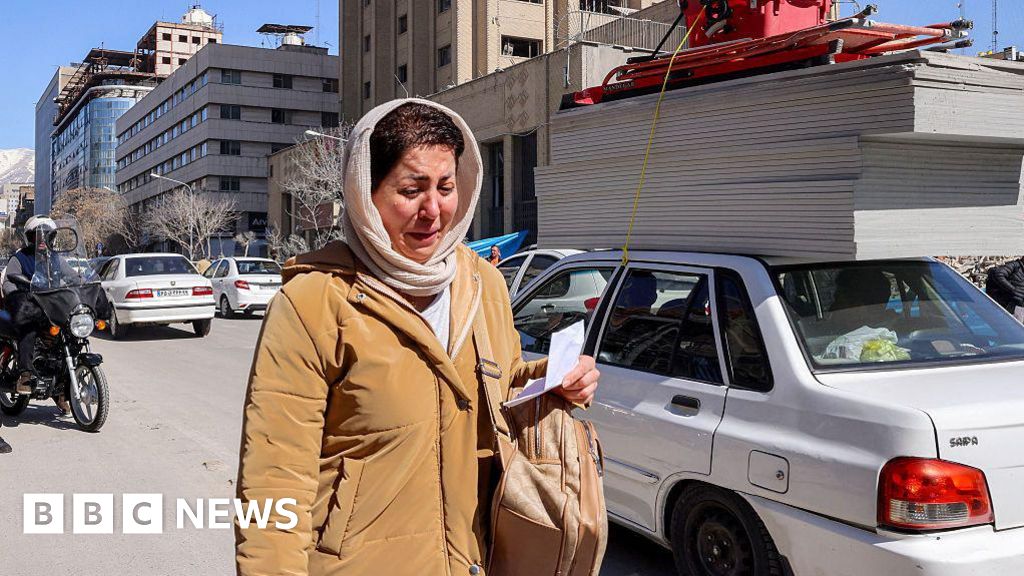
Residents across Tehran are actively acquiring essential goods, driven by increasing apprehension regarding the potential duration of the ongoing conflict and its impact on daily life. Reports from BBC Persian indicate a widespread concern among locals about the availability of groceries and a significant rise in prices, as the sounds of explosions continue to reverberate through the Iranian capital. One Tehran resident, identified as Nasrin, articulated a common sentiment, highlighting the imperative to secure provisions due to the unpredictable nature of the conflict's timeline. This preemptive purchasing behavior reflects a deep-seated worry that vital necessities could become scarce if the current instability persists, compounding existing economic pressures. The atmosphere in the city is marked by a palpable sense of unease, with citizens bracing for an extended period of uncertainty and potential hardship, prompting a collective effort to safeguard household supplies against future disruptions.
This recent surge in consumer anxiety builds upon an already precarious economic landscape within Iran. Prior to the current escalation, the nation was grappling with severe cost-of-living challenges and the pervasive effects of international sanctions, which together fueled widespread protests in December. These demonstrations were met with a harsh response from the Islamic Republic regime, underscoring the deep internal divisions and economic distress. The situation has reportedly worsened significantly following recent US and Israeli military actions, according to accounts from some residents who have managed to communicate via intermittent internet connections. These strikes have not only heightened security concerns but have also exacerbated the economic instability, pushing an already strained populace further into uncertainty. The confluence of pre-existing economic woes and the immediate impact of military engagements creates a challenging environment for ordinary citizens attempting to navigate daily life.
Specific indicators point to a rapid deterioration of market conditions since the conflict intensified on Saturday. Pouya, a Tehran resident, observed substantial price hikes, noting that the cost of rice had surged from 530 tomans to 625 tomans in a short period. Potatoes, a staple food, were identified as among the commodities most severely affected by these inflationary pressures. Beyond food items, the cost of internet access has also escalated dramatically. Shayan, a resident of Karaj, a city approximately an hour's drive from Tehran, reported significant difficulties in getting online and highlighted an enormous increase in the price of internet packages, particularly those offered by services like Elon Musk's Starlink. In response to the growing crisis, Iranian state news outlets have announced a government directive to prioritize the provision of essentials, leading to an immediate ban on the export of all food and agricultural products until further notice, a measure intended to secure domestic supply but which also signals the severity of the perceived threat to food security.
The current situation in Iran highlights the multifaceted challenges facing the nation, where geopolitical tensions intersect with domestic economic fragility and information control. The difficulty for international news organizations to obtain visas, coupled with widespread internet blackouts, severely impedes the ability to gather comprehensive information about internal developments. This lack of transparency not only fuels speculation but also makes it harder to assess the true extent of the humanitarian and economic impact on the ground. Experts suggest that the government's ban on food exports, while aimed at stabilizing domestic supply, could also signal deeper concerns about long-term food security or an attempt to prevent capital flight through commodity exports. The escalating prices and scarcity fears, layered onto the grievances that sparked the December protests, could potentially reignite social unrest, posing a significant challenge to the Islamic Republic regime's stability amidst external pressures. The compounded crises underscore a precarious future for the Iranian populace.
In summary, residents of Tehran are confronting a rapidly evolving crisis marked by economic uncertainty, escalating prices, and fears of essential goods shortages, all exacerbated by ongoing regional conflict. The pre-existing economic hardships, intensified by recent military actions and government responses like the export ban, paint a grim picture for daily life. The challenges of communication due to internet blackouts further isolate the populace and complicate external reporting. As the situation unfolds, key indicators to monitor will include the trajectory of military engagements, the effectiveness of government measures to stabilize the economy and food supply, and the potential for renewed social unrest. The resilience of Iranian citizens will be tested as they navigate these compounded crises, with the long-term implications for the nation remaining profoundly uncertain.