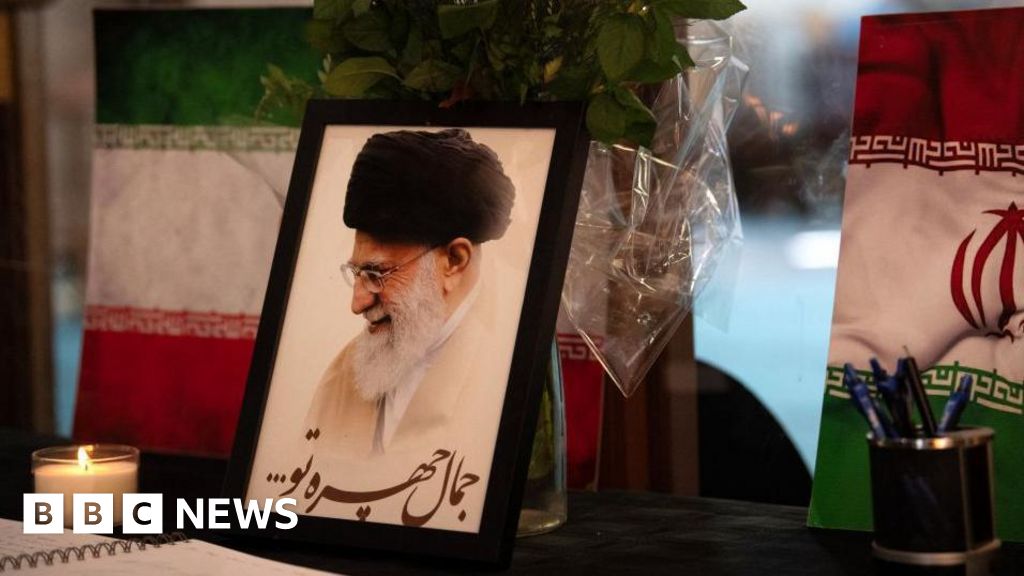
The assassination of Iran's Supreme Leader, Ayatollah Ali Khamenei, occurred not under the cloak of darkness but in broad daylight, a strategic decision reportedly stemming from a critical intelligence breakthrough just hours prior to the operation. This targeted action, which resulted in the death of the long-serving spiritual and political head of the Islamic Republic, was the culmination of an extensive, multi-month collaborative effort between the United States and Israel. Intelligence agencies from both nations had been meticulously monitoring Khamenei's movements and seeking an opportune moment to strike, specifically when high-ranking Iranian military and intelligence officials might convene. Reports indicate that the decisive intelligence pinpointed Khamenei's presence at a compound in central Tehran on a Saturday morning, alongside other key figures, providing the precise window for the coordinated strike. This unprecedented event marks a significant escalation in regional tensions, underscoring the depth of the intelligence penetration achieved by the allied forces.
The elaborate operation leading to the demise of Ayatollah Ali Khamenei represents the apex of a prolonged intelligence campaign, with American and Israeli agencies reportedly dedicating months to tracking the supreme leader's activities. This sustained surveillance was part of a broader strategy to identify a specific window of vulnerability, particularly a gathering of senior Iranian military and intelligence personnel. The intelligence breakthrough that precipitated the mid-morning strike reportedly confirmed Khamenei's attendance at a secure facility in the heart of Tehran on a particular Saturday, a location also confirmed to be hosting other pivotal figures within Iran's security apparatus. This level of precision intelligence gathering echoes previous operations attributed to Israel, notably during a 12-day conflict last June. During that period, Israeli forces were reported to have targeted individuals associated with Iran's nuclear development program, leveraging sophisticated methods to monitor the movements of key officials and their protective details, suggesting a well-established pattern of deep intelligence penetration into Iranian networks. The significance of this long-term surveillance cannot be overstated, highlighting a persistent and aggressive posture by the US and Israel against perceived threats from Tehran.
While the precise methodologies employed in tracking Ayatollah Ali Khamenei for months remain classified, hints about the sophistication of the intelligence operation have emerged. Former US President Donald Trump, in a social media post, alluded to the capabilities involved, stating that Khamenei "was unable to avoid our intelligence and highly sophisticated tracking systems." This statement, according to observers, suggests a blend of advanced technological surveillance and potentially human intelligence assets. Experts in intelligence analysis indicate that while a human source could have provided critical real-time information, the consistent, long-term tracking of an individual as protected as the Supreme Leader points more strongly towards highly advanced technical means. This aligns with previous reports concerning Israeli intelligence operations, particularly during the conflict in June of the preceding year. During that period, Israel was widely reported to have successfully penetrated Iranian telecommunications and mobile phone networks to ascertain the movements of individuals linked to Iran's nuclear ambitions. These methods reportedly included the meticulous tracking of bodyguards and security details associated with high-value targets, providing a blueprint for the kind of granular intelligence necessary for an operation of this magnitude. The ability to pinpoint multiple senior figures simultaneously at a specific location underscores the depth of this intelligence penetration.
The successful execution of a mission targeting Iran's Supreme Leader, following months of intricate planning and real-time intelligence, carries profound implications for regional stability and the future of US-Israeli covert operations. Analysts suggest that the ability to track and eliminate such a highly protected figure demonstrates an unparalleled level of intelligence superiority and operational reach within Iran. This event signals a clear message regarding the capabilities of the United States and Israel to penetrate even the most secure layers of Iranian leadership. Going forward, this could fundamentally alter the calculus for Tehran, potentially leading to a significant re-evaluation of its internal security protocols and its external regional policies. The precision of the strike, reportedly enabled by a last-minute intelligence windfall, also highlights the critical role of timely and actionable information in high-stakes geopolitical maneuvers. Furthermore, the operation underscores a continued willingness by the allied nations to employ aggressive tactics in countering perceived threats, potentially setting a precedent for future engagements and raising questions about the thresholds of conflict in the Middle East. The long-term implications for Iran's succession planning and internal power dynamics are also likely to be significant, as the nation grapples with the loss of its paramount leader under such circumstances.
In summary, the operation that led to the death of Ayatollah Ali Khamenei represents a culmination of extensive, multi-month intelligence gathering and strategic coordination between the United States and Israel. The decision to execute the strike in the morning, rather than under cover of night, was reportedly driven by a critical, last-minute intelligence update confirming Khamenei's presence alongside other senior officials at a central Tehran compound. This mission underscores the advanced tracking capabilities and deep intelligence penetration achieved by the allied forces, building upon methods previously observed in targeting Iran's nuclear program. As the international community watches, the immediate aftermath will likely involve heightened tensions and a scramble within Iran to manage the unprecedented leadership vacuum. Future developments will undoubtedly focus on Iran's response, the ongoing regional power dynamics, and the potential for further escalations in the complex geopolitical landscape of the Middle East. The long-term impact on Iran's political structure and its relations with global powers remains a critical area of observation.