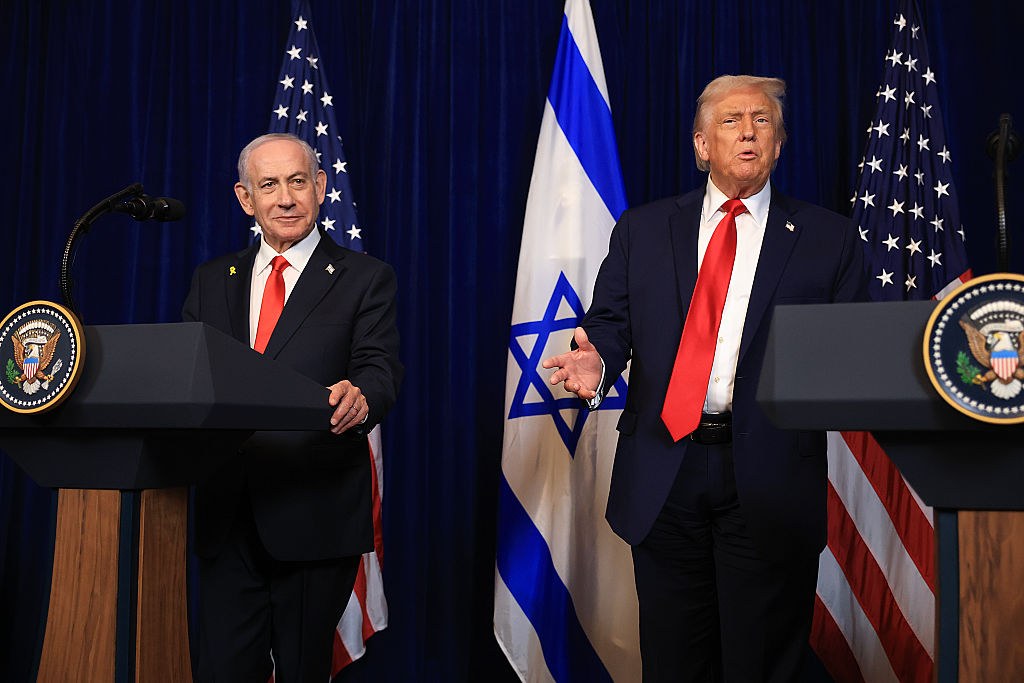
Recent statements from high-ranking American political figures suggest that the United States' current military posture and escalating tensions with Iran are being driven by Israeli strategic imperatives, rather than solely by direct American national interests. This assertion marks a significant shift, as officials close to the Trump administration have reportedly begun to openly acknowledge the influence exerted by Israel in shaping US policy towards Tehran. For years, independent journalists, policy analysts, and advocacy groups have meticulously investigated and documented the mechanisms through which Israel's unique diplomatic relationship with the United States translates into tangible impacts on American foreign policy decisions. These recent admissions from within the US government appear to corroborate many of those long-standing claims, indicating a potential re-evaluation of the stated motivations behind US engagement in the volatile Middle Eastern region and specifically concerning the ongoing confrontation with Iran. The revelation underscores a complex interplay of alliances and strategic objectives that challenge conventional understandings of US geopolitical autonomy.
For several decades, a dedicated cohort of investigative journalists, geopolitical analysts, and grassroots activists has diligently worked to illuminate the extent to which Israel's 'special relationship' with the United States influences American policy-making. Their efforts have involved extensive research into the financial contributions and lobbying activities of pro-Israel organizations, uncovering instances of political interference, and meticulously charting the intricate networks of influence that have historically allowed Israeli interests to gain traction within Washington's corridors of power. These investigations often sought to demonstrate that US actions in the Middle East, particularly concerning Iran, were frequently aligned with Israel's security concerns, sometimes at the perceived expense of broader American strategic goals. The current climate, marked by explicit statements from US officials, now brings these previously debated assertions into sharper focus, providing what many observers consider undeniable evidence of this long-suspected dynamic.
The claims of Israeli influence have reportedly moved from the realm of analytical speculation to open acknowledgment, with specific admissions from individuals within the Trump administration. According to various reports, at least three distinct, senior US officials closely associated with the White House have publicly indicated that the United States was compelled by Israel to initiate the current phase of conflict with Iran. This unprecedented candor provides a stark insight into the decision-making processes at the highest levels of government. Furthermore, officials stated that Secretary of State Marco Rubio, when explaining the rationale behind the administration's decision to escalate military actions, explicitly detailed the understanding that any attack on Iran—whether launched by the United States, Israel, or another entity—would inevitably provoke a retaliatory strike targeting American assets or personnel. This perspective suggests that US involvement is framed as a necessary response to a broader regional dynamic, implicitly acknowledging the catalytic role of Israeli security considerations.
The implications of these candid admissions are profound, prompting many political commentators to reassess the underlying motivations for the rapidly intensifying conflict with Iran under the Trump administration. Experts suggest that the escalating confrontation appears to be less about safeguarding direct American national interests and more about pursuing strategic objectives aligned with Israel's long-term security agenda. This interpretation challenges the traditional narrative of US foreign policy independence and raises critical questions about the transparency and accountability of decisions that commit American resources and lives abroad. The overt acknowledgment of external influence could reshape public discourse on alliances, interventionism, and the true cost of 'special relationships,' potentially leading to increased scrutiny of how foreign policy is formulated and executed in Washington. It also highlights the complex ethical and strategic dilemmas faced by a global superpower navigating intricate regional conflicts.
In conclusion, the recent and open acknowledgments by high-ranking US officials regarding Israel's role in driving American policy towards Iran represent a pivotal moment in understanding US foreign relations. What was once the subject of extensive investigative journalism and analytical debate has now, according to reports, been explicitly confirmed by those within the corridors of power. This shift from veiled influence to overt admission underscores the significant impact of external alliances on American strategic decisions, particularly in the volatile Middle East. Moving forward, observers will undoubtedly scrutinize future US actions concerning Iran through this newly transparent lens, seeking to discern the true beneficiaries and long-term consequences of a foreign policy increasingly acknowledged to be shaped by the interests of a key ally. The unfolding situation demands continued vigilance and critical analysis from independent media and the public alike.