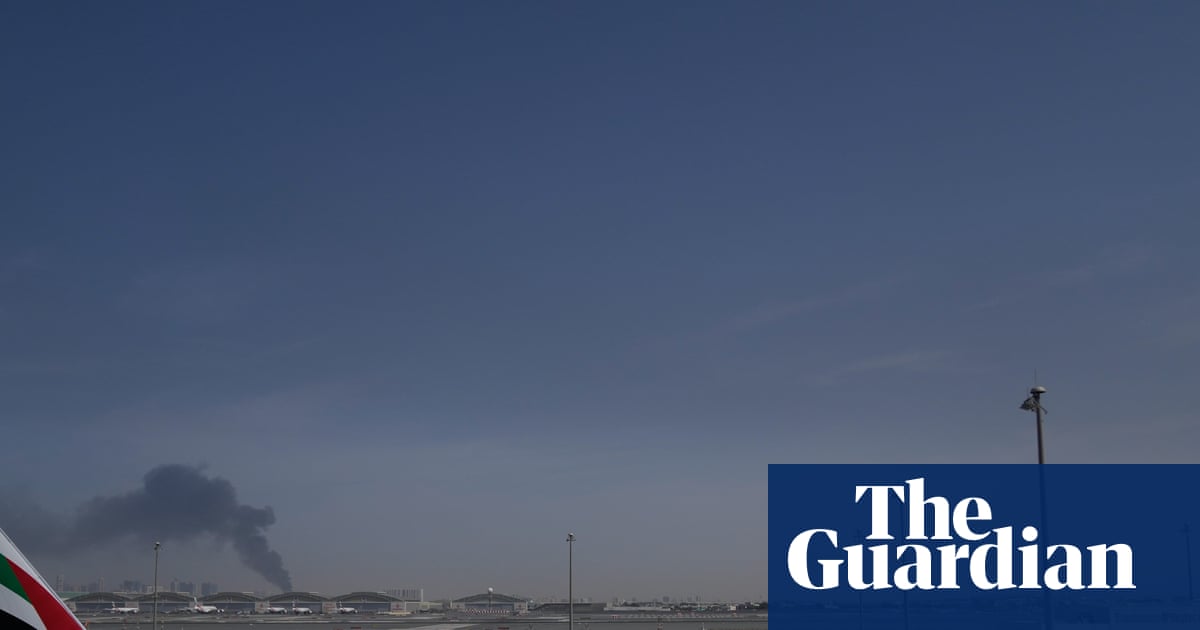
Global air travel has plunged into its most severe crisis since the onset of the Covid-19 pandemic, with thousands of flights grounded and hundreds of thousands of passengers left stranded worldwide. The widespread disruption, which intensified on Monday, is directly attributed to the ongoing military engagements between the United States and Israel against Iran. Key aviation hubs in the Gulf region, including the world's busiest international airport in Dubai, have ceased all operations, with suspensions expected to last until at least 10:00 GMT on Tuesday, officials stated. This unprecedented shutdown has sent ripple effects across the entire global network, impacting major carriers and causing significant financial tremors within the travel industry, as share prices for airlines and related firms experienced sharp declines following days of escalating turmoil. The situation underscores the profound vulnerability of interconnected global systems to geopolitical instability, leaving countless travelers in limbo and raising concerns about the immediate future of international mobility.
The current aviation crisis marks a critical escalation in the fallout from the US-Israel conflict with Iran, transforming a regional geopolitical flashpoint into a global logistical nightmare. For several days, the Middle East has been a focal point of military actions, directly leading to the closure of vital air corridors and the grounding of entire fleets. This level of disruption has not been witnessed since the early days of the Covid-19 pandemic, which brought the global travel industry to a near standstill. The Middle East, particularly the Gulf states, serves as a crucial nexus for international travel, with major carriers utilizing these hubs to connect passengers across continents. The prolonged closure of these strategic airports, such as Dubai, which holds the distinction of being the planet's busiest international gateway, has profound implications, effectively severing key arteries of global commerce and tourism and highlighting the fragility of the intricate web of modern air transportation.
The scale of the disruption is substantial and continues to grow. By Monday morning, at least 1,555 flights destined for the Middle East had been cancelled, according to figures provided by aviation analysts Cirium. However, these numbers are considered artificially low, as data collection from affected regions like Iran and the United Arab Emirates remains limited, despite hundreds more flights having been scheduled for Monday in those areas. The impact has been particularly severe for Gulf carriers, which rely heavily on their hub-and-spoke models to facilitate worldwide connections. These airlines, known for their extensive global networks, are now at the epicenter of the operational paralysis. In response to the widespread cancellations and uncertainty, several airlines and travel companies have begun offering passengers options for refunds or free modifications to their travel plans for journeys scheduled in the coming weeks, attempting to mitigate the inconvenience for affected individuals.
The geopolitical undercurrents driving this aviation crisis suggest a potentially protracted period of instability. Former President Donald Trump's recent comments, indicating that US military operations could extend for another four weeks, cast a long shadow over the prospect of a swift return to normalcy for global air travel. Such a prolonged engagement would not only continue to disrupt flight paths and airport operations but could also have far-reaching economic consequences, impacting international trade, supply chains, and the broader tourism sector. Experts suggest that while the immediate cause differs from the Covid-19 pandemic, the current situation shares similarities in its capacity to paralyze an entire industry, leaving businesses and individuals grappling with unforeseen challenges. The ongoing uncertainty demands a reassessment of risk management strategies for airlines and a deeper consideration of the resilience of global infrastructure against geopolitical shocks.
In summary, the global aviation sector is currently navigating an unprecedented period of turmoil, directly stemming from the escalating US-Israel conflict with Iran. Thousands of flights have been cancelled, leaving countless passengers stranded and major international hubs, including Dubai, temporarily closed. While some airlines are offering relief through refunds and free changes, the immediate future of air travel remains precarious, with operations in the Gulf suspended until Tuesday morning. The potential for the conflict to persist, as indicated by political statements, suggests that the ripple effects on global connectivity and economic stability could be long-lasting, urging both the industry and international travelers to remain vigilant for further developments and adapt to a rapidly evolving geopolitical landscape.