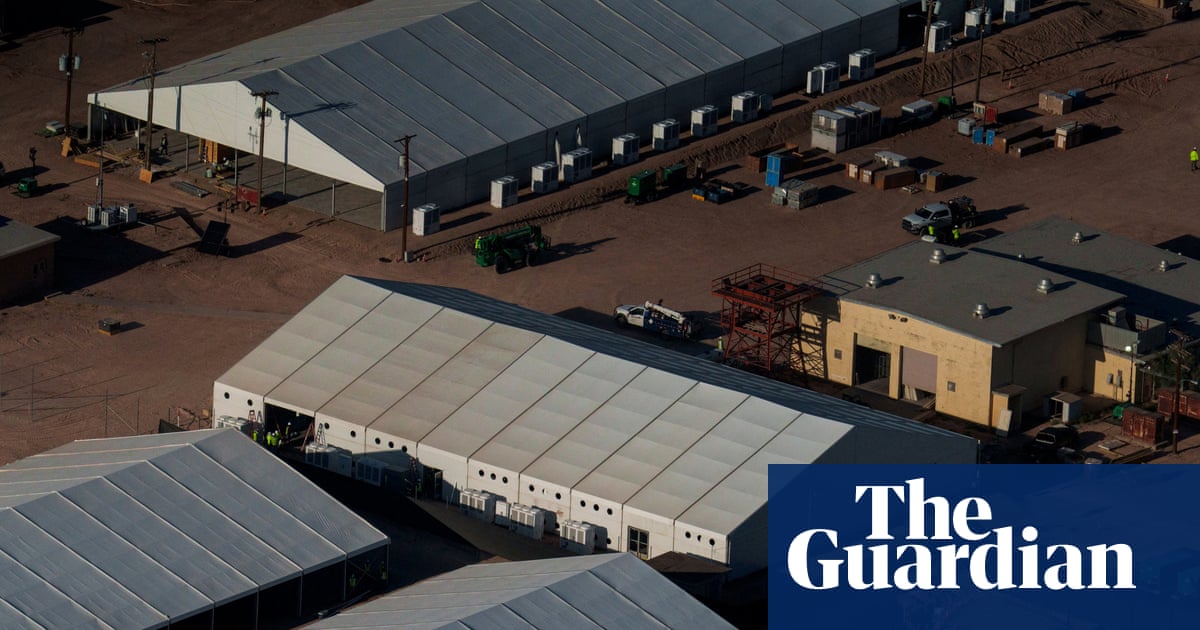
The Trump administration is reportedly moving forward with plans to close a highly controversial immigration detention facility located in Texas, a site that has been operational for less than eight months. Camp East Montana, situated on the Fort Bliss army base, has drawn significant criticism for its alleged harsh living conditions, according to various reports. The facility's brief and troubled tenure was marked by the tragic deaths of three detainees and a severe measles outbreak that led to the quarantine of more than a dozen individuals. This decision, initially reported by The Washington Post on Wednesday, signals a significant development in the ongoing scrutiny of immigration enforcement practices and the conditions within detention centers across the United States. The swift closure of a facility embroiled in such controversies underscores the intense public and media pressure surrounding the treatment of migrants and asylum seekers.
Camp East Montana's establishment was part of a broader strategy to manage the influx of migrants, particularly at the U.S.-Mexico border. Its location within a military installation, Fort Bliss, raised questions from the outset regarding the suitability of such sites for civilian detention. Throughout its short operational period, the facility consistently faced allegations of substandard care and inhumane environments. Reports indicated persistent concerns about the general welfare of individuals held there, contributing to its reputation as a contentious site within the immigration detention network. The rapid progression from opening to reported closure, occurring in under eight months, highlights the acute nature of the operational and humanitarian challenges that reportedly plagued Camp East Montana from its inception, drawing a spotlight on the complexities inherent in managing large-scale detention operations.
The facility's contentious history is notably punctuated by several critical incidents that amplified calls for its closure. According to reports, three detainees tragically died while held at Camp East Montana, raising serious alarms about the medical care and overall safety protocols in place. These fatalities sparked intense scrutiny and demands for accountability from various advocacy groups and human rights organizations. Furthermore, the facility experienced a significant public health crisis when a measles outbreak occurred, necessitating the quarantine of over a dozen individuals. This outbreak underscored concerns about sanitation, overcrowding, and the ability to prevent and manage infectious diseases within the detention environment. These specific incidents, alongside the broader criticisms of its living conditions, reportedly played a decisive role in the administration's decision to cease operations at the Texas site.
The reported closure of Camp East Montana carries significant implications for the future of immigration detention policies and practices. Experts suggest that the rapid shuttering of a facility due to such severe issues—detainee deaths, a public health crisis, and widespread criticism of conditions—could signal a potential shift or at least a re-evaluation within the administration's approach to housing migrants. This event may serve as a stark reminder of the humanitarian challenges inherent in large-scale detention and could intensify calls for greater oversight and more humane alternatives to incarceration. The fact that the facility was part of an army base also brings into focus the debate over the appropriate use of military resources for civilian immigration enforcement. This development is likely to fuel ongoing discussions among policymakers, advocacy groups, and the public about the ethical and practical sustainability of current detention models.
In conclusion, the reported decision by the Trump administration to close Camp East Montana marks a pivotal moment in the ongoing national conversation surrounding immigration detention. The facility's brief and troubled existence, characterized by severe criticisms of its living conditions, the tragic deaths of three detainees, and a significant measles outbreak, has brought into sharp focus the complexities and ethical challenges inherent in such operations. This move, as reported, underscores the intense scrutiny faced by immigration enforcement agencies and highlights the critical importance of detainee welfare. As the closure proceeds, attention will likely turn to the fate of the individuals currently held at the facility and the broader implications for the administration's future immigration policies and the standards of care in other detention centers across the country.