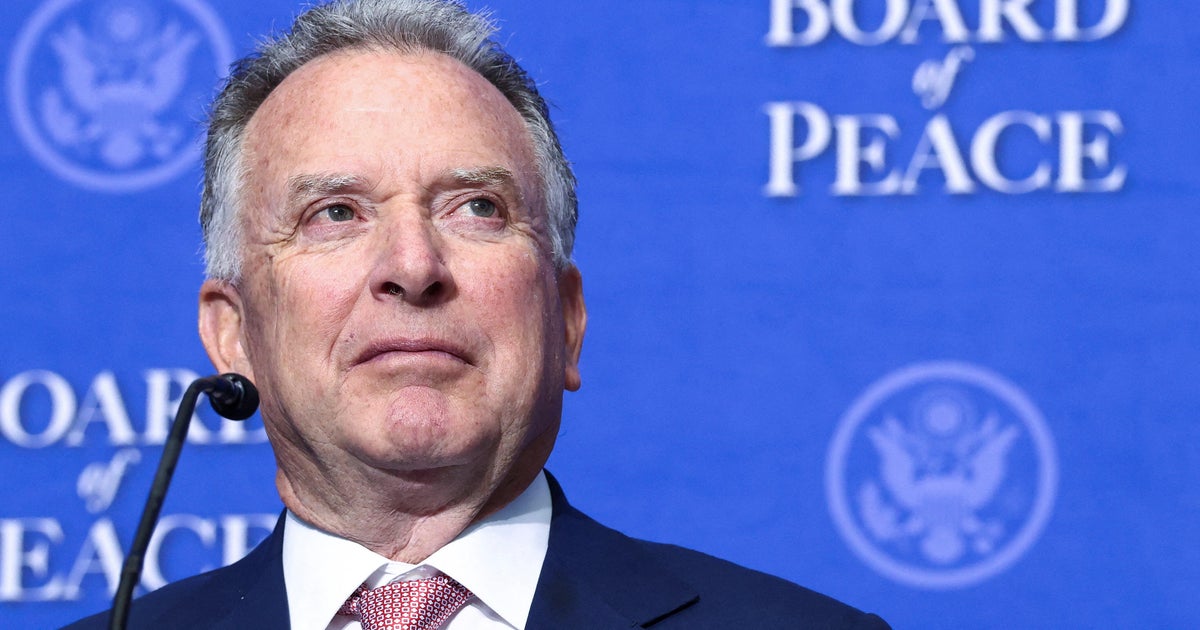
A former special envoy under the Trump administration, Steve Witkoff, has disclosed that Iranian negotiators asserted their nation possessed sufficient enriched uranium to construct eleven nuclear weapons. This significant claim, according to Witkoff, was made prior to a series of military actions reportedly undertaken by the United States and Israel against Iran over the recent weekend. Speaking on Fox News' Sean Hannity program on Monday, Witkoff detailed that during discussions with him and former President Trump's son-in-law, Jared Kushner, Iranian representatives stated their control over approximately 460 kilograms of uranium enriched to a 60% purity level. Witkoff further indicated that this quantity of material could potentially be refined to weapons-grade purity, typically around 90%, within a remarkably short timeframe, estimated to be between one week and ten days. This revelation underscores the escalating tensions surrounding Iran's nuclear ambitions and the critical implications for regional and global security, particularly in the wake of recent military engagements.
The assertion by Iranian negotiators, as recounted by Witkoff, sheds new light on the country's strategic posturing regarding its nuclear capabilities. For years, Iran's nuclear program has been a focal point of international concern, with global powers striving to prevent Tehran from developing nuclear weapons. The 60% enrichment level mentioned by Witkoff is considerably higher than the 3.67% limit set by the 2015 Joint Comprehensive Plan of Action (JCPOA), an agreement from which the U.S. withdrew in 2018. The ability to quickly transition from 60% to 90% enrichment represents a critical threshold, significantly shortening the 'breakout time' – the period required to produce enough fissile material for a nuclear device. This context is crucial for understanding the gravity of the Iranian negotiators' alleged statements, which, according to Witkoff, were presented without reservation and served as an initial bargaining position in their discussions with U.S. representatives.
Witkoff elaborated on the directness of the Iranian negotiators' claims, noting that they openly communicated their possession of 460 kilograms of 60% enriched uranium to him and Jared Kushner. He emphasized that the Iranian officials were fully aware that this quantity was sufficient for approximately eleven nuclear devices, presenting this information as a foundational element of their negotiating strategy. This account aligns with, and in some aspects, provides a specific basis for, broader intelligence assessments. For instance, reports from The Wall Street Journal over the weekend indicated that Iran's three primary nuclear facilities were believed to house enough enriched uranium to fuel roughly twelve nuclear bombs. Furthermore, an earlier report by The Wall Street Journal, published last year and citing a confidential United Nations document, had suggested that Iran had already accumulated enough highly enriched uranium to produce six nuclear weapons, illustrating a concerning progression in their stockpile.
The implications of Iran's alleged candidness about its nuclear material stockpile are profound, suggesting a deliberate strategy to project strength and leverage its nuclear program in diplomatic engagements. Experts suggest that such overt declarations, particularly during sensitive negotiations, could be interpreted as a form of nuclear brinkmanship, aimed at extracting concessions or deterring military action. This strategy, if accurately reported, significantly complicates international efforts to curb Iran's nuclear ambitions and maintain stability in the Middle East. The rapid potential to achieve weapons-grade enrichment, as highlighted by Witkoff, raises serious proliferation concerns and could prompt a more robust response from international bodies and nations wary of a nuclear-armed Iran. The timing of these revelations, following reported U.S. and Israeli strikes, further suggests a heightened state of tension and a potential escalation in the long-standing standoff over Tehran's nuclear capabilities.
The statements attributed to Iranian negotiators by former envoy Steve Witkoff underscore the critical and evolving nature of Iran's nuclear program. The alleged possession of enough enriched uranium for multiple nuclear devices, coupled with the capability for rapid further enrichment, presents a formidable challenge to global non-proliferation efforts. As the international community grapples with these revelations, attention will likely turn to how these claims influence future diplomatic overtures, potential sanctions, and the broader security landscape in the Middle East. Monitoring of Iran's nuclear facilities by international watchdogs remains paramount, and the coming weeks will undoubtedly reveal further responses from key global players as they assess the veracity and strategic intent behind these alarming assertions.