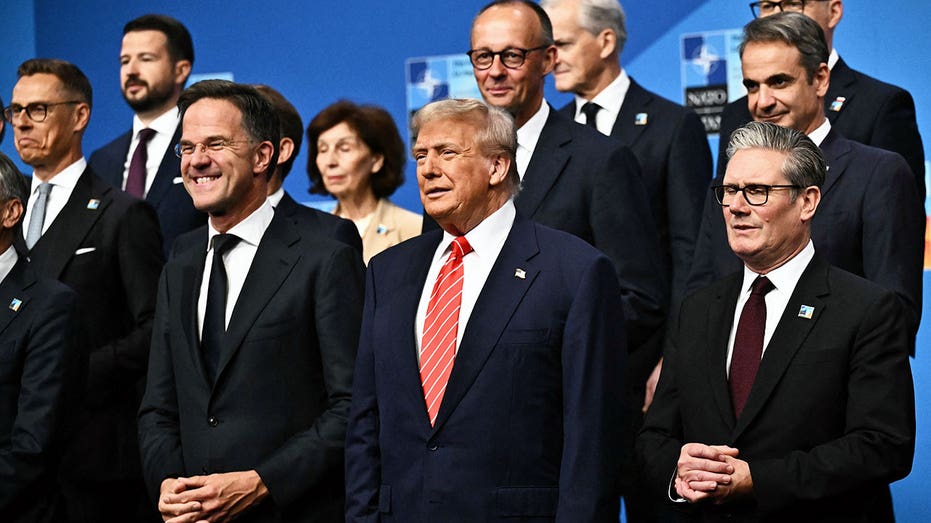
The United States' ongoing military campaign against Iran is reportedly encountering resistance from some of its traditional allies, prompting a stern warning from Secretary of War Pete Hegseth. According to statements made on Monday, Hegseth expressed concern that certain long-standing partners are "hemming and hawing about the use of force," raising significant questions regarding the cohesion of the North Atlantic Treaty Organization (NATO) at a critical juncture of escalating tensions. This comes as key European nations articulate their reservations, with Spain notably declining U.S. requests for the use of its military bases for operations targeting Iran, advocating instead for de-escalation and strict adherence to international legal frameworks. Simultaneously, Turkey has voiced strong criticism of the military initiative, cautioning against the potential for broader regional destabilization, while French President Emmanuel Macron issued a stark warning on Saturday about the severe international consequences of a wider conflict involving the United States, Israel, and Iran, urging an immediate halt to the dangerous escalation.
The current divergence among NATO members underscores the complex geopolitical landscape surrounding the United States' strategy in the Middle East, particularly concerning Iran. For decades, NATO has served as a cornerstone of collective defense and a symbol of transatlantic unity, yet its members often grapple with differing national interests and strategic priorities, especially outside the immediate European theater. The U.S. campaign against Iran, which officials describe as a necessary measure to counter perceived threats, has evidently exposed these underlying tensions. The reluctance of some allies to fully commit resources or provide unconditional support highlights a broader debate within the alliance about the scope of its collective security mandate and the appropriate responses to regional conflicts. This situation is further complicated by the intricate web of economic, diplomatic, and historical ties each European nation maintains in the Middle East, making a unified front challenging to achieve when faced with the prospect of direct military engagement. The current scenario tests the very fabric of NATO, pushing its members to reconcile their individual foreign policy objectives with the demands of alliance solidarity amidst a rapidly evolving crisis.
Specific instances of allied hesitation have become particularly prominent in recent days. Spain, a crucial NATO member with strategic geographic importance, has explicitly denied the United States permission to utilize its military installations for any strikes against Iranian targets, according to reports. Spanish officials have publicly called for a diplomatic approach, emphasizing the importance of de-escalation and upholding international law as the preferred path forward. Concurrently, Turkey, another vital NATO ally, has not only criticized the ongoing operation but also issued a stern warning regarding the potential for widespread regional destabilization should the conflict escalate further. Turkish President Recep Tayyip Erdoğan, according to statements, expressed his "saddened" reaction to the passing of Ayatollah Ali Khamenei and explicitly refuted any claims that Turkish territory was being used to facilitate the campaign against Iran. Meanwhile, French President Emmanuel Macron released a statement on Saturday, asserting that "The outbreak of war between the United States, Israel and Iran carries grave consequences for international peace and security," adding that "The ongoing escalation is dangerous for all. It must stop." In stark contrast to these allied reservations, Secretary Hegseth, during Monday's media briefing, lauded Israel's role, stating, "Israel has clear missions as well, for which we are grateful. Capable partners, as we've said since the beginning," implicitly drawing a distinction between Israel's proactive support and the perceived reluctance of other allies.
The visible cracks in NATO's united front, as highlighted by Secretary Hegseth's remarks and the actions of Spain, Turkey, and France, carry significant implications for the future of the alliance and the broader international security landscape. Expert observers suggest that such public disagreements could embolden adversaries and complicate future coalition-building efforts, potentially undermining the credibility of collective defense. The divergence in approaches reflects not only differing assessments of the immediate threat posed by Iran but also fundamental disagreements on the efficacy and wisdom of military intervention versus diplomatic engagement. For the United States, the lack of full allied backing could necessitate a re-evaluation of its operational strategies and potentially lead to a more unilateral approach, which historically has been met with mixed results and further international criticism. Conversely, for European allies, their stance reflects a desire to avoid being drawn into a wider conflict that they believe could have catastrophic consequences for regional stability, refugee flows, and global economic markets. This situation forces NATO to confront its internal divisions at a time when global challenges demand greater, not less, solidarity, raising questions about the alliance's ability to project a unified front in future crises beyond its traditional defense perimeter.
In conclusion, the United States' intensified campaign against Iran is revealing significant fissures within the NATO alliance, as key European partners express profound reservations about the use of force and the potential for widespread regional destabilization. Secretary of War Pete Hegseth's public criticism of allied "hemming and hawing" underscores Washington's frustration with the lack of unified support, particularly from nations like Spain, Turkey, and France, who are advocating for de-escalation and adherence to international law. While Israel is lauded as a "capable partner," the broader allied hesitation poses a substantial challenge to the cohesion and strategic direction of NATO. Moving forward, the international community will closely monitor how these internal tensions evolve and whether the United States can bridge the gap with its traditional allies, or if this marks a turning point towards a more fragmented approach to global security challenges. The coming weeks will be crucial in determining the extent of allied cooperation and the trajectory of the escalating situation in the Middle East.