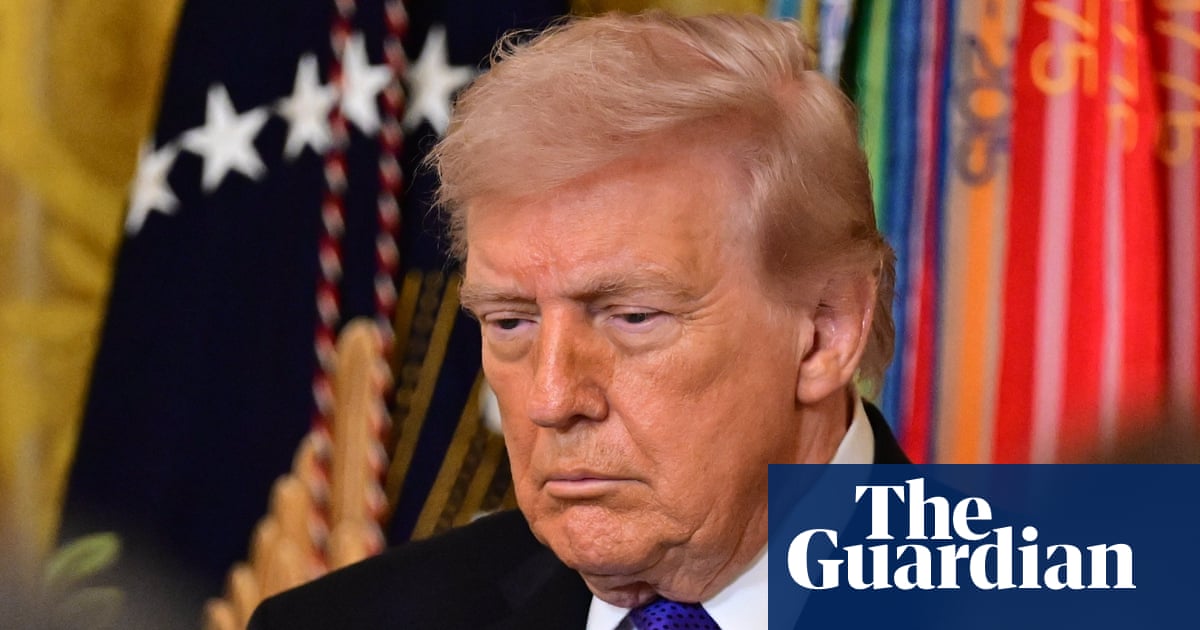
Reports indicate former US President Donald Trump has again voiced strong disapproval of United Kingdom Prime Minister Keir Starmer, following the UK's decision to withhold support for offensive military actions against Iran. The contentious issue centers on the British government's refusal to permit the use of its military bases for such operations, a stance that has reportedly led Trump to declare a significant shift in the long-standing relationship between the two nations. According to sources, Trump remarked that the 'relationship is obviously not what it was,' signaling a perceived deterioration in diplomatic ties. Prime Minister Starmer, for his part, reportedly delivered his most forceful rejection to date of Trump's approach, articulating the United Kingdom's principled opposition to what he termed 'regime change from the skies' and steadfastly defending the government's choice to withhold access to British military installations for launching such operations. This diplomatic friction emerges amidst a volatile Middle East crisis, with ongoing tensions described in live updates as a 'US-Israel war on Iran,' highlighting the gravity of the UK's non-participation.
The backdrop to this diplomatic spat is a rapidly escalating situation in the Middle East, characterized by heightened regional instability and direct confrontation. Reports from the region, including live updates, have described the unfolding events as a 'US-Israel war on Iran,' indicating a significant military engagement. This context underscores the gravity of the United Kingdom's decision to distance itself from offensive actions. Historically, the US and UK have maintained a robust 'special relationship,' often acting in concert on global security matters, particularly in the Middle East. British military bases in the region, such as those in Cyprus and Bahrain, have frequently served as crucial staging points for coalition operations. Therefore, the current refusal by the Starmer government represents a notable departure from traditional Anglo-American military cooperation, signaling a potential recalibration of UK foreign policy regarding interventionism in complex regional conflicts. This shift could have profound implications for future joint strategic endeavors and the broader dynamics of Western engagement in the Middle East.
Prime Minister Starmer's defense of the UK's position has been unequivocal, marking what observers describe as his strongest public rebuke of Trump's military strategy concerning Iran. The core of his argument, as reported, rests on a fundamental disagreement with the concept of achieving political change through aerial bombardment, encapsulated in his phrase 'regime change from the skies.' This statement reflects a cautious approach to military intervention, prioritizing diplomatic solutions and stability over potentially destabilizing military campaigns. The denial of British bases, strategically located and vital for projecting power in the Middle East, carries significant operational implications for any proposed US-led offensive. These facilities offer critical logistical support, intelligence gathering capabilities, and launch platforms, making their unavailability a substantial impediment. Starmer's firm stance not only underscores a divergence in tactical approaches but also highlights a deeper philosophical difference in foreign policy doctrines between the current UK administration and the interventionist tendencies often associated with Trump's past and potential future foreign policy.
Analysts suggest that this public disagreement between Donald Trump and Keir Starmer could have far-reaching consequences for the 'special relationship' between the United States and the United Kingdom. The perceived strain, as articulated by Trump's comment on the relationship not being 'what it was,' indicates a potential weakening of the diplomatic bond that has historically underpinned Western alliances. This divergence in foreign policy, particularly on a matter as critical as military action in the Middle East, could signal a broader shift in the UK's international posture under Starmer's leadership, potentially moving towards a more independent and less interventionist foreign policy. Such a shift might lead to re-evaluations of existing defense agreements and intelligence-sharing protocols, impacting the efficacy of future multilateral responses to global crises. Furthermore, the UK's stance could embolden other allies to question or refuse participation in US-led military initiatives, potentially fragmenting Western unity on critical geopolitical issues and altering the balance of power in the Middle East.
In conclusion, the recent public exchange between Donald Trump and Keir Starmer underscores a significant diplomatic rift stemming from the UK's refusal to support offensive military actions against Iran. Prime Minister Starmer's principled opposition to 'regime change from the skies' and his government's denial of British military bases for such operations represent a clear divergence from traditional US-UK military cooperation. Trump's assertion that the 'relationship is obviously not what it was' highlights the perceived strain on the 'special relationship,' with potential long-term implications for bilateral ties and broader Western alliances. As the Middle East crisis continues to unfold, the international community will be closely watching how this diplomatic friction evolves and what it signals for the future of interventionism and multilateral security efforts in a volatile global landscape.