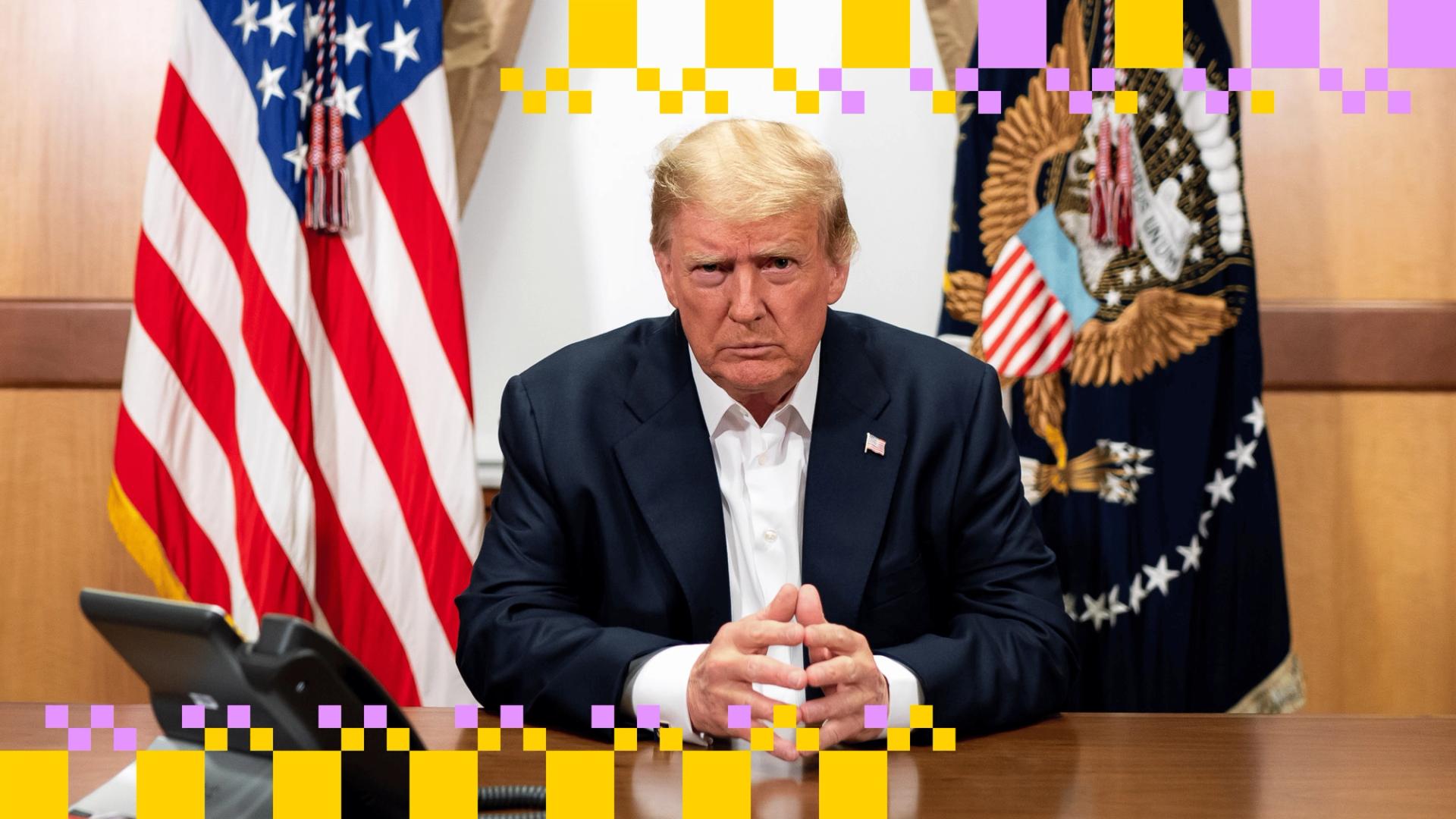
Former U.S. President Donald Trump has publicly criticized the banking sector, alleging efforts to obstruct key cryptocurrency legislation and undermine a stablecoin bill he previously enacted. In a recent post on Truth Social, Trump specifically accused financial institutions of holding critical market structure legislation, known as the Clarity Act, "hostage" due to their opposition to allowing third parties to offer yield on stablecoin deposits. He emphasized the urgent need for Congress to pass this bill, asserting its vital role in ensuring the United States maintains a leading position in the evolving global cryptocurrency landscape. This intervention highlights a significant ongoing dispute between traditional financial entities and the burgeoning digital asset industry, with the former president positioning himself as a vocal advocate for the latter, pushing for reforms that he claims will benefit American citizens and prevent the industry's migration abroad.
The legislative framework at the heart of this controversy includes the GENIUS Act, a stablecoin bill reportedly signed into law by Trump during his presidency, and the proposed Clarity Act, which aims to establish a comprehensive market structure for digital assets. Stablecoins, digital currencies pegged to a stable asset like the U.S. dollar, have become a focal point for regulatory debate due to their potential to bridge traditional finance and the crypto economy. The ability for third parties to offer yield on these assets is a particularly contentious issue, with the crypto industry advocating for it as a mechanism for growth and user engagement, while the banking sector reportedly expresses concerns over potential risks and regulatory oversight. This legislative push underscores a broader effort within the U.S. to create a clearer regulatory environment for cryptocurrencies, an area where many believe the country lags behind other nations.
According to reports, Trump's recent statements on Truth Social directly addressed the banking industry's alleged obstruction, asserting that banks are prioritizing their "record profits" over the interests of the American public. He explicitly stated that "Americans should earn more money on their money," implying that the current legislative impasse, fueled by banking opposition, is preventing this. The former president warned against allowing banks to "undermine our powerful Crypto Agenda," suggesting that failure to pass the Clarity Act could result in the U.S. losing its competitive edge, with the crypto industry potentially relocating to countries like China. This legislative standoff became particularly evident when the Senate Banking Committee indefinitely postponed a scheduled markup hearing in January, where lawmakers were expected to debate and vote on amendments to the market structure bill, signaling the depth of the disagreements between stakeholders.
The ongoing negotiations between the White House, representatives from the crypto industry, and the banking sector over the precise language of the Clarity Act underscore the complexity of balancing innovation with traditional financial stability concerns. Experts suggest that the dispute over stablecoin yield payouts is not merely a technicality but represents a fundamental clash over the future architecture of finance. The banking industry's reported resistance likely stems from concerns about disintermediation, competition for deposits, and the potential for new systemic risks that might arise from unregulated or lightly regulated yield-bearing crypto products. Trump's forceful intervention, leveraging his platform, could inject new political pressure into these stalled discussions, potentially galvanizing support for the crypto industry's position and forcing a resolution to the legislative gridlock, or further entrenching the opposition from established financial players.
In conclusion, Donald Trump's recent public statements have reignited the debate surrounding critical cryptocurrency legislation in the United States, placing the banking industry squarely in his crosshairs. His call for the swift passage of the Clarity Act and his accusations of obstruction highlight the deep divisions over stablecoin regulation and market structure. The outcome of these legislative efforts, particularly regarding stablecoin yield, will have significant implications for the future of the U.S. digital asset industry and its global competitiveness. All eyes will now be on ongoing negotiations and potential future actions by Congress to see if a consensus can be reached to advance these pivotal bills.