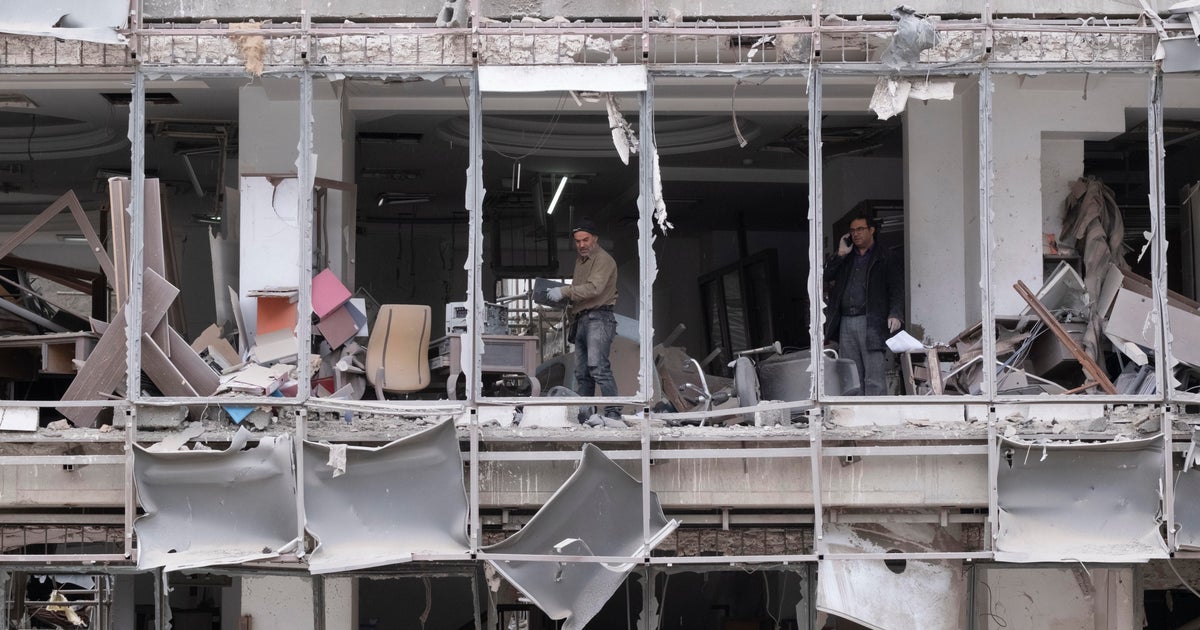
The ongoing military engagement involving the United States and Israel against Iran has entered its third day, marked by a confirmed increase in American military fatalities and significant regional instability. Reports indicate that four U.S. service members have now lost their lives since the commencement of hostilities. Concurrently, the conflict has seen a tragic "friendly fire" incident in Kuwait, where three U.S. F-15 fighter jets were reportedly shot down by Kuwaiti forces, though all crew members are said to be safe. This escalation follows continued Iranian missile barrages targeting both Israel and its neighboring Arab states. The human toll is mounting, with at least eleven individuals killed in Israel, while the Iranian Red Crescent organization has reported a staggering 555 fatalities within Iran itself. The broader impact includes severe disruptions to international air travel, leaving tens of thousands of passengers stranded across the Gulf region.
This intensifying conflict, designated as "Operation Epic Fury," was initiated by a joint U.S. and Israeli military operation against Iran. As the third day unfolds, Iran has responded with sustained missile attacks, extending its reach to target not only Israeli territory but also several Arab nations in the vicinity. The initial rationale behind the U.S.-Israeli offensive, while not detailed in the immediate reports, has clearly prompted a robust and deadly counter-response from Tehran. The unfolding events underscore the volatile geopolitical landscape of the Middle East, where regional alliances and long-standing tensions are now manifesting in direct military confrontation. The widespread closure of major aviation hubs across the region, a direct consequence of the hostilities, highlights the immediate and far-reaching civilian impact of this escalating military action, disrupting global connectivity and stranding a considerable number of travelers.
Further details emerging from the conflict zone paint a picture of complex and dangerous operational environments. Central Command (CENTCOM) officials confirmed the "friendly fire" incident in Kuwait, specifying that three U.S. F-15 aircraft were downed by Kuwaiti forces, though fortunately, all personnel on board survived. This incident occurred amidst reports of smoke emanating from the U.S. Embassy in Kuwait, following what appeared to be an Iranian missile strike, signaling a broadening scope of Iranian retaliation. In response to the widespread airspace closures, the government of Dubai, a key hub in the United Arab Emirates, announced a "limited resumption of flights" from Monday evening at both Dubai International Airport (DXB) and Dubai World Central – Al Maktoum International Airport (DWC). Dubai International Airport, recognized as the world's busiest commercial aviation hub by passenger volume, processed approximately 95.2 million travelers last year, underscoring the immense logistical challenge posed by its closure. Meanwhile, U.S. President Trump stated on Sunday that the joint military operation would persist "until all of our objectives are achieved," estimating a potential duration of "four weeks or less," while acknowledging the possibility of additional American casualties.
The escalating casualty figures, particularly the confirmed deaths of four U.S. service members and hundreds of Iranian citizens, underscore the grave human cost of "Operation Epic Fury." The "friendly fire" incident involving Kuwaiti forces and U.S. jets raises serious concerns about coordination and potential for miscalculation in a highly charged operational theater, potentially complicating allied relations even as crews were reported safe. The apparent Iranian missile strike on the U.S. Embassy in Kuwait further indicates Iran's willingness to target U.S. assets beyond the immediate conflict zone, broadening the risk profile for American personnel and interests in the region. The decision by the United States to not join other nations in evacuating its citizens, despite the widespread air travel disruptions and tens of thousands stranded, contrasts sharply with international efforts and could draw scrutiny regarding its commitment to civilian safety amidst the chaos. President Trump's projection of a relatively short conflict duration, "four weeks or less," while acknowledging more casualties, sets a public expectation that may be difficult to meet given the current trajectory of Iranian retaliation and the complex objectives involved.
As the U.S.-Israeli military campaign against Iran enters its third day, the situation remains highly volatile, characterized by a rising death toll across all parties and significant regional disruption. The confirmed loss of four American troops, alongside hundreds of Iranian and over a dozen Israeli lives, highlights the immediate human tragedy unfolding. Incidents such as the Kuwaiti "friendly fire" downing of U.S. jets and the reported strike on the U.S. Embassy in Kuwait underscore the inherent dangers and potential for rapid escalation or misjudgment in the conflict zone. While Dubai has initiated a partial reopening of its crucial air hubs, the broader impact on air travel continues to strand thousands, reflecting the widespread civilian consequences. With President Trump affirming the continuation of the operation until objectives are met, and anticipating further casualties, the international community watches closely for any signs of de-escalation or further intensification in the coming days.