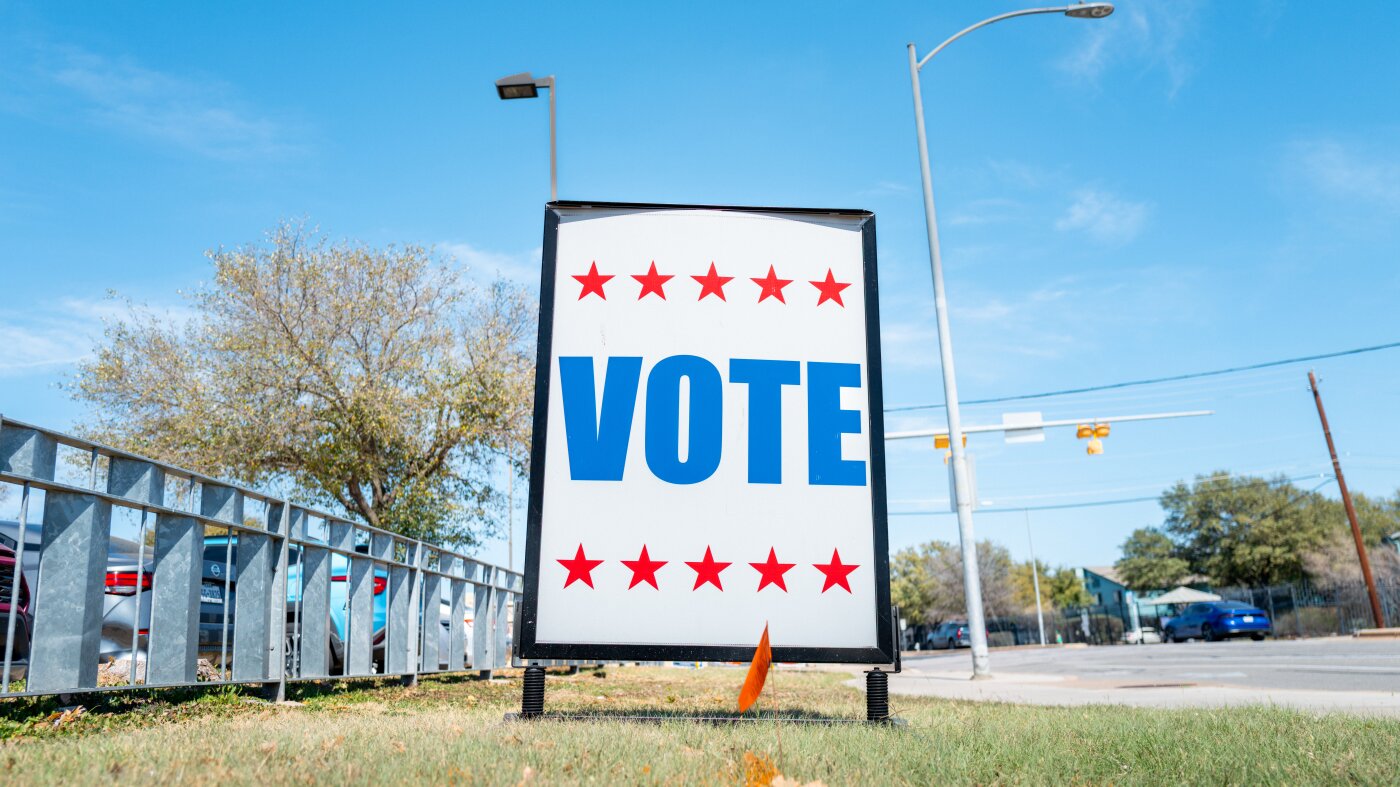
Voting is drawing to a close in the highly anticipated Texas primary elections, which are poised to play a pivotal role in determining the balance of power within the United States Senate. According to political observers, two of the most closely watched contests this election cycle involve the primary races for a significant Senate seat in Texas, currently held by Senator John Cornyn. Both the Republican and Democratic primaries are widely regarded as a crucial indicator of the ideological direction base voters wish their respective parties to pursue, particularly in anticipation of the upcoming midterm elections this fall. These midterms are set to reshape the composition of Congress, making the outcomes in Texas particularly impactful. With significant support garnered by multiple candidates in both parties, reports suggest that a definitive winner may not emerge in the initial round of voting, making a runoff election in May a strong possibility.
The current political landscape underscores the heightened significance of these Texas primaries. Senator John Cornyn, a long-standing conservative figure who has occupied the Senate seat since 2002, is seeking to secure his party's nomination amidst formidable challenges. The primaries are seen by many as a critical litmus test, reflecting the evolving preferences and priorities of the core electorate within both major parties. This internal contest is particularly salient for the Republican Party, which has experienced a notable shift towards the right over the past decade. The outcomes here are not merely about selecting candidates but are indicative of the broader ideological currents that will define the parties' platforms and strategies heading into the crucial general election later this year, ultimately impacting the legislative agenda in Washington.
In the Republican primary, Senator Cornyn is facing determined opposition from two primary challengers: Ken Paxton, the state's Attorney General, who has frequently been embroiled in controversy, and Congressman Wesley Hunt. Both challengers contend that their political stances are more closely aligned with former President Trump and the contemporary direction of the Republican Party, which has demonstrably moved further rightward in recent years. While Senator Cornyn has consistently supported the former president's agenda during his tenure, his challengers argue for an even more pronounced conservative approach. To secure an outright victory in the primary, any candidate must achieve more than 50% of the total votes cast. Given the substantial backing each of the three Republican contenders has reportedly amassed in pre-election polling, it is widely anticipated that this competitive race will likely proceed to a runoff election scheduled for May. On the Democratic side, Congresswoman Jasmine Crockett and Austin-area state lawmaker James Talarico are vying for their party's nomination.
The potential implications of these primary results extend far beyond Texas state lines, directly influencing the national political landscape. Should Senator Cornyn fail to secure his party's nomination in the primary, the absence of an incumbent in the general election could, according to political analysts, present a unique and significant opportunity for Democrats. The Democratic Party is actively strategizing to flip a sufficient number of Republican-held seats in the Senate to regain a majority in the chamber. A non-incumbent race in a state as large and politically diverse as Texas could alter the electoral calculus considerably, potentially making the seat more competitive for Democratic challengers. This scenario underscores the high stakes involved, as the Texas primaries are not just internal party contests but crucial preliminary battles that could ultimately shape the balance of power in the U.S. Congress for the next legislative term.
As the final votes are tallied in Texas, the outcomes of these primary elections will set the stage for one of the most closely watched Senate races in the nation. The strong likelihood of runoff elections in May means that the path to a general election nominee will be extended, intensifying the campaigns and requiring candidates to continue rallying their base support. The results will serve as a key barometer for the ideological direction of both the Republican and Democratic parties as they prepare for the critical midterm elections. Political observers will be closely monitoring not only who emerges victorious but also the margins of victory, which could signal broader trends in voter sentiment and ultimately influence the control of the U.S. Senate.