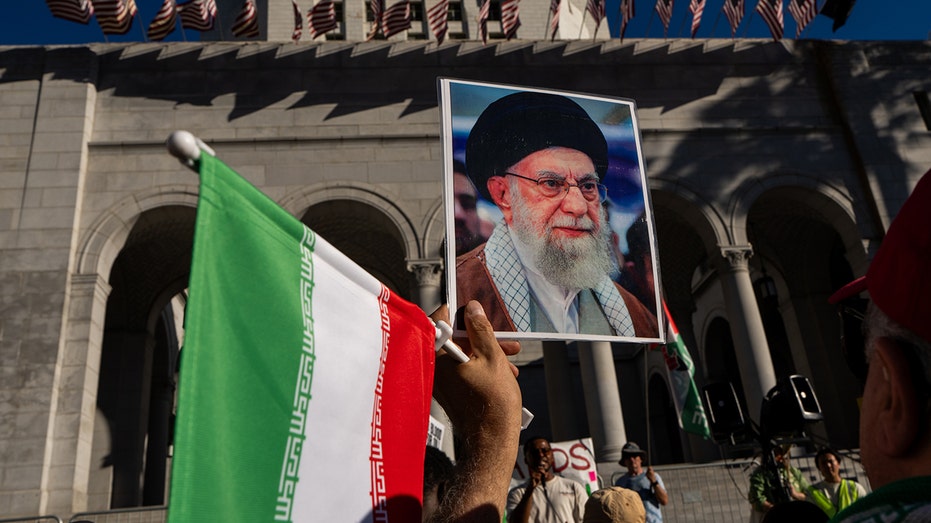
The Washington Post has drawn significant criticism following its recent obituary for Iran's Supreme Leader, Ayatollah Ali Khamenei, who was reportedly killed on Saturday as part of a major U.S.-Israeli military offensive. The particular phrasing used to characterize the deceased leader, describing him with a "bushy white beard and an easy smile" and portraying him as an "avuncular figure" in public, has ignited widespread condemnation across social media platforms and from prominent political figures. This portrayal, which also noted his appreciation for Persian poetry and classic Western literature, including Victor Hugo’s 'Les Misérables,' has been perceived by many as an attempt to soften the image of a leader widely held responsible for severe human rights abuses and staunch opposition to political reforms. The controversy unfolds amidst ongoing military actions under "Operation Epic Fury," a coordinated effort targeting Iranian leadership and military infrastructure, underscoring the sensitive geopolitical context of the reporting.
Ayatollah Ali Khamenei served as Iran's Supreme Leader for decades, succeeding Ruhollah Khomeini, his revered predecessor. His tenure was marked by an uncompromising stance against domestic political and social reforms, as well as a consistent rejection of reconciliation efforts with the United States, a position mirroring that of Khomeini, according to reports. His death, occurring during an Israeli strike in Tehran, is a pivotal event within the broader "Operation Epic Fury," a joint military campaign that officials indicate is designed to target Iranian leadership by Israel, while the United States focuses on military installations and ballistic missile capabilities. The Washington Post's obituary, while acknowledging Khamenei's alleged responsibility for thousands of deaths, chose to highlight personal traits that some critics argue downplayed the gravity of his political actions and human rights record, thus fueling the current debate over journalistic responsibility in profiling controversial global figures.
The specific language employed by The Washington Post, depicting Khamenei as an "avuncular figure" with an "easy smile," provoked immediate and strong reactions. Senator Ted Cruz, a Republican from Texas, publicly denounced the description, labeling it "sick." Jennifer Sey, founder of XX-XY Athletics, characterized the paragraph as "peak TDS," a reference to 'Trump Derangement Syndrome,' implying a perceived bias. Actor James Woods also weighed in, quoting the controversial passage and remarking, "This is not satire," highlighting the perceived disconnect between the description and Khamenei's known history. This incident has drawn parallels to a previous controversy in 2019, when The Washington Post described ISIS leader Abu Bakr al-Baghdadi as an "austere religious scholar" in his obituary, following his killing during the Trump administration. Furthermore, reports indicate that The New York Times also utilized the term "avuncular" in its own obituary for Ayatollah Khamenei, suggesting a broader editorial trend in some major news outlets.
The intense backlash against The Washington Post's obituary highlights a recurring tension in journalism: how to provide a comprehensive profile of a deceased leader, even one with a deeply controversial legacy, without appearing to sanitize or inadvertently legitimize their actions. Critics argue that focusing on seemingly benign personal characteristics, such as an appreciation for poetry or a pleasant demeanor, risks overshadowing the profound human cost of their policies and leadership. This approach, some suggest, can inadvertently diminish the suffering of victims and distort historical narratives, particularly when juxtaposed with the leader's documented record of human rights abuses, as the Post's own obituary reportedly noted Khamenei was responsible for thousands of murders. The public's swift and vocal response underscores a demand for media accountability and a clear distinction between biographical detail and an uncritical portrayal, especially concerning figures involved in significant geopolitical conflicts like the ongoing "Operation Epic Fury."
The controversy surrounding The Washington Post's portrayal of Ayatollah Ali Khamenei in his obituary serves as a stark reminder of the delicate balance journalists must strike when reporting on complex international figures. The choice of language, particularly in the immediate aftermath of a leader's death and amidst ongoing military operations, carries significant weight and can profoundly influence public perception. As "Operation Epic Fury" is expected to continue for several days, with Israeli forces reportedly targeting Iranian leadership and U.S. forces focusing on military assets, the scrutiny on media representations of the conflict and its key players will likely intensify. This incident prompts a broader conversation about journalistic ethics, the impact of editorial choices, and the critical role of independent news aggregators like GlobalTruthWire in providing diverse perspectives and holding media outlets accountable for their narratives.