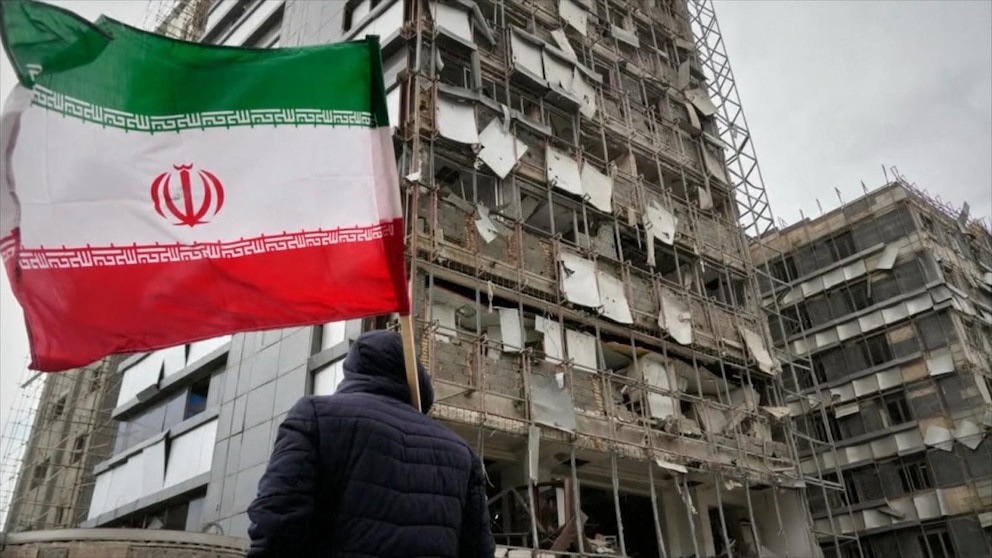
A significant escalation in Middle Eastern tensions has unfolded, with a joint United States and Israeli military operation, dubbed 'Operation Epic Fury,' reportedly targeting key Iranian military infrastructure. According to recent dispatches from March 2, 2026, the coordinated strikes focused on dismantling missile launchers, destroying weapons stockpiles, and neutralizing drone capabilities within Iran. This assertive military action has been met with swift and widespread retaliation from Iran, which, according to reports, has launched attacks impacting at least ten countries, including the European nation of Cyprus. The rapidly developing conflict has triggered immediate global repercussions, with numerous American citizens reportedly stranded across the Middle East and heightened security concerns emerging worldwide. The unfolding events mark a critical juncture in the long-standing geopolitical friction involving Iran and its adversaries, prompting urgent international attention to the potential for broader regional destabilization and its far-reaching consequences.
The current military engagement follows a complex history of regional instability and diplomatic challenges, as detailed in recent reports by ABC News chief global affairs correspondent Martha Raddatz, who has extensively covered Iran's recent past and the societal conditions under the Ayatollah's regime. Understanding the origins of the present conflict necessitates a look back at the intricate political and social landscape that has shaped modern Iran, particularly since the 1979 revolution. The ideological underpinnings of the Ayatollah's governance, combined with decades of international sanctions and regional proxy conflicts, have fostered an environment of persistent friction with Western powers and neighboring states. This historical context, characterized by periods of both overt and covert hostilities, provides crucial insight into the deep-seated grievances and strategic calculations driving the actions of all parties involved in the current 'Operation Epic Fury' and Iran's subsequent retaliatory measures. The ongoing events are a culmination of these historical trajectories, bringing long-simmering tensions to a critical boiling point.
Specific details emerging from the ongoing conflict indicate that 'Operation Epic Fury' meticulously targeted critical components of Iran's military apparatus, including its advanced missile launchers, extensive weapons stockpiles, and drone manufacturing and deployment sites. In response to these strikes, Iranian forces reportedly launched retaliatory attacks against at least ten different nations, with Europe's Cyprus explicitly named among the affected countries. High-profile figures have weighed in on the unfolding situation; former President Trump, for instance, expressed confidence that the United States would 'easily prevail' in any conflict with Iran, according to statements made three hours prior to recent reports. Conversely, a former National Security Council official indicated that Iran was 'not backing down' from the confrontation. Furthermore, General Wesley Clark raised concerns about the 'no adequate protection' afforded to US servicemembers who have been killed, while an expert suggested that artificial intelligence played a supporting role in the precision targeting of US strikes in Iran. Domestically, the Federal Bureau of Investigation is reportedly probing potential Iranian connections to a deadly bar rampage in Texas, underscoring the broad scope of the conflict's implications.
The broader implications of the escalating military conflict are far-reaching, touching upon global economics, domestic security, and regional power dynamics. According to oil analysts, the intensification of hostilities is expected to significantly impact global oil markets, leading to predictions of substantial jumps in gas prices for consumers worldwide. On the domestic front, the United States is reportedly facing an assessment of its biggest security threats as the conflict with Iran continues, with homeland security concerns escalating in the wake of the attacks. Regionally, experts are closely analyzing what the attack on Iran signifies for proxy groups such as Hezbollah, anticipating potential shifts in their operational capabilities and strategic alignments. The human cost of the conflict is also becoming apparent, with reports of Americans stranded across the Middle East as tensions flare. Public reactions have been mixed, with reports indicating both protests and celebrations over the US strikes on Iran. Adding another layer of complexity, the chief of staff for Iran's exiled crown prince has indicated plans for his return to the country, suggesting potential internal political shifts amidst the external pressures.
As 'Operation Epic Fury' continues to unfold and Iran's retaliatory actions reverberate globally, the international community remains on high alert. The immediate future is likely to be characterized by sustained military engagement and heightened geopolitical uncertainty. Key areas to monitor include the stability of global energy markets, the safety of citizens in affected regions, and the potential for further escalation or de-escalation through diplomatic channels. The long-term consequences for regional power balances and international security alliances are still developing, but the current events underscore the volatile nature of the Middle East. Observers will be watching closely for any shifts in Iran's internal political landscape, particularly in light of the exiled crown prince's stated intentions, as well as the ongoing efforts to address the humanitarian and economic fallout from the conflict.