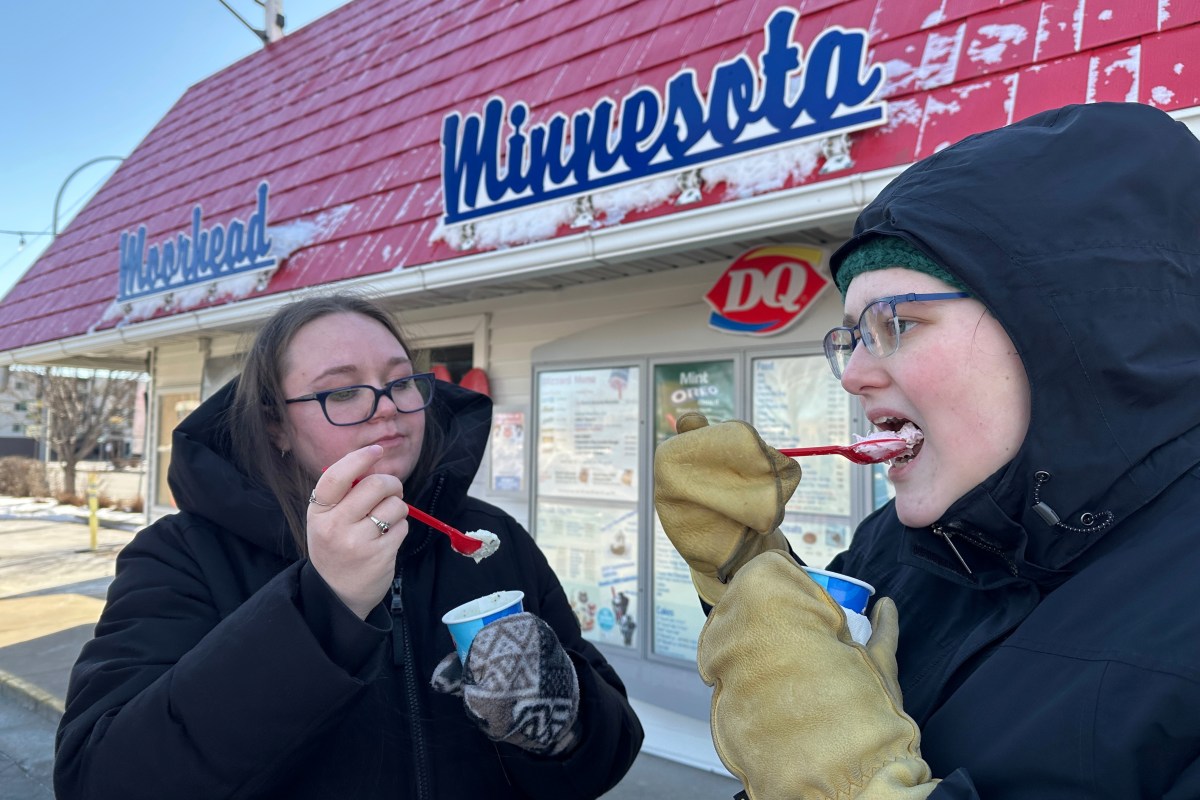
Hundreds of patrons recently braved frigid, single-digit temperatures in Moorhead, Minnesota, to participate in a cherished local custom: the annual March 1 reopening of the historic Moorhead Dairy Queen. This year marked the 76th consecutive time the walk-up ice cream establishment has welcomed customers on the first day of March, a ritual that, according to reports, consistently draws an average of 1,200 individuals on its inaugural day. This enduring tradition has evolved into a significant regional harbinger of spring, irrespective of the prevailing meteorological conditions. The event underscores the community's deep-seated connection to the establishment, which, as sources indicate, transcends a mere desire for frozen treats, embodying a sense of continuity and shared experience that has persisted for generations. The sight of long lines forming in the cold highlights the unique cultural resonance of this particular Dairy Queen, distinguishing it as more than just a fast-food outlet but a vital part of the area's identity and seasonal rhythm.
In an increasingly digitized world dominated by mobile applications and self-service kiosks, the Moorhead Dairy Queen stands out as a rare example of an establishment largely untouched by contemporary technological shifts. Operational since August 1, 1949, the store maintains its traditional walk-up service model, foregoing digital ordering systems or automated kiosks. This steadfast adherence to its original operational style, according to local observations, contributes significantly to its unique charm and status as a community landmark. Owners Troy and Diane DeLeon, who have managed the establishment since 1995, view the yearly March 1 reopening as more than a seasonal business event; they perceive it as an opportunity to provide a sense of stability and familiarity in an often-unpredictable world. This perspective emphasizes the deeper cultural role the Dairy Queen plays, offering a tangible link to the past and a consistent presence in the lives of its patrons.
The Moorhead Dairy Queen occupies a distinctive position within the broader landscape of fast-food history, particularly noted for its culinary innovations. It was on these very premises in 1955 that two brothers are credited with developing the original Dilly Bar, a now-iconic treat crafted from soft-serve ice cream, a tongue depressor stick, and a chocolate coating. The store has, since that time, continued the tradition of hand-making these popular items. Within the corporate structure of Dairy Queen, the Moorhead location is recognized as a "heritage store," a designation that grants it special dispensation, allowing it to operate under its own established standards due to its considerable age and historical legacy. This unique status permits the store to offer a menu that includes items unavailable elsewhere in the Dairy Queen system, such as discontinued Blizzard flavors and various regional specialties, further cementing its reputation as a one-of-a-kind destination for ice cream enthusiasts.
The enduring popularity of the Moorhead Dairy Queen's March 1 opening, despite often challenging weather conditions, offers a compelling case study in community resilience and the power of tradition. Experts in cultural sociology might interpret this annual pilgrimage as more than just a craving for ice cream; it represents a collective affirmation of local identity and a nostalgic embrace of simpler times. In an era where digital convenience often trumps personal interaction, the walk-up model and the commitment to hand-made products at this particular Dairy Queen stand as a quiet defiance against homogenization. This phenomenon suggests that for many, the value lies not just in the product itself, but in the shared experience, the continuity it offers, and the tangible link to a past that remains vibrant. The store's ability to maintain its unique operational and menu standards, attributed to its "heritage" status, highlights a broader appreciation for historical preservation within commercial enterprises, demonstrating that some traditions are too valuable to be streamlined away.
In summary, the annual March 1 reopening of the Moorhead Dairy Queen transcends a simple business event, embodying a profound regional tradition that signals the arrival of spring for many Minnesotans. Its enduring appeal, drawing hundreds even in freezing temperatures, stems from its unique blend of historical significance, culinary distinctiveness—including its role in inventing the Dilly Bar—and its steadfast resistance to modern digital trends. As a "heritage store," it offers a rare glimpse into a past era of fast food while continuing to serve as a vital community institution. Moving forward, observers will undoubtedly watch to see how this cherished ritual continues to evolve, maintaining its delicate balance between preserving tradition and adapting to the future, ensuring its place as a beloved local landmark for generations to come.