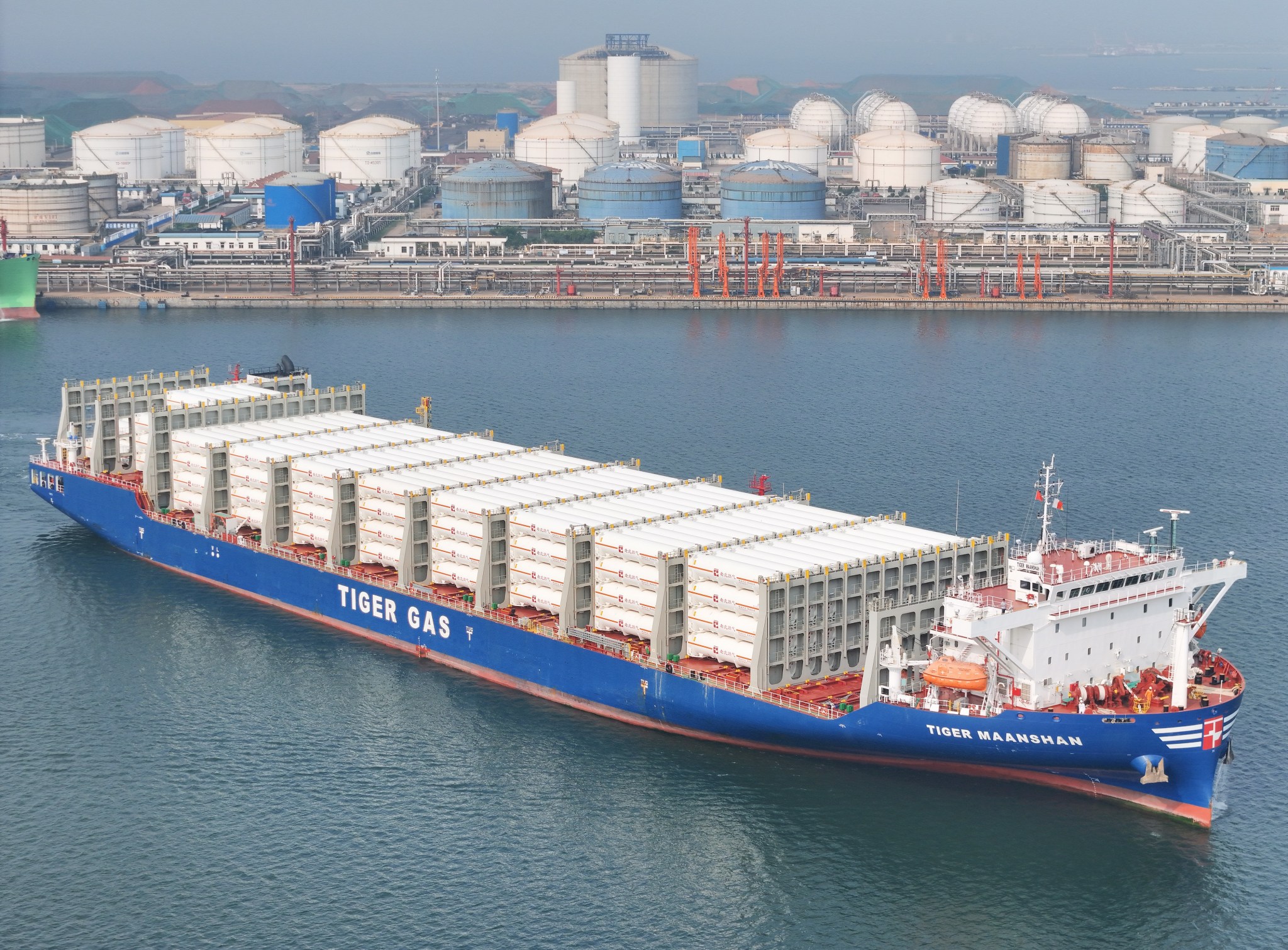
Asia's largest economies are confronting significant fuel scarcity and escalating prices following the closure of the Strait of Hormuz by Iran. This vital maritime passage, crucial for oil and gas shipments originating from the Middle East, has been rendered inaccessible, triggering widespread concern across a region heavily dependent on these energy imports. Reports indicate that governments are swiftly implementing measures to mitigate the impact, including suspending energy exports and drawing down strategic reserves. The shutdown has profound implications for a continent that is the world's fastest-growing consumer of oil, yet struggles with diminishing domestic production capabilities, as noted by researchers. This sudden disruption to a critical global energy choke point is poised to reshape immediate energy policies and economic forecasts for nations from Japan to China, according to various market analyses, creating an urgent need for strategic responses to safeguard energy security.
The Asian continent's deep reliance on energy supplies from the Persian Gulf region underscores the gravity of the current situation. Experts, such as Sung Jinseok from the National University of Singapore’s Energy Studies Institute, have highlighted this particular vulnerability, emphasizing that Asian nations are exceptionally dependent on these specific oil and gas sources. The region's domestic energy production has struggled to keep pace with its rapid economic expansion and burgeoning demand, largely due to the depletion of existing fields and a scarcity of new discoveries. This structural imbalance has cemented the Strait of Hormuz's role as an indispensable conduit for global energy trade. Approximately one-fifth of the world's daily oil supply, equating to around 19 million barrels, navigates through this narrow waterway. Furthermore, its significance extends to liquefied natural gas (LNG), with a substantial portion—one-fifth of global LNG volumes—also transiting its waters, as detailed in a 2025 report by the U.S. Energy Information Administration (EIA). The closure thus represents a direct threat to the energy security of a continent that absorbs the vast majority of these vital shipments.
The immediate fallout from the Strait of Hormuz closure has prompted rapid and decisive actions from several Asian governments and energy corporations. Thailand, for instance, moved quickly to suspend all crude and petroleum exports on March 1, signaling an urgent need to conserve domestic supplies. Similarly, China, a colossal energy consumer, directed its largest oil refineries to cease diesel and petrol exports just days later, on March 5, according to official directives. Energy firms are also adjusting their operations; Mangalore Refinery and Petrochemicals reportedly curbed its fuel exports recently. The dependency on Gulf oil is particularly stark for some nations: Japan typically imports between 80% and 90% of its oil from the Gulf, while China sources 30% to 40% of its oil from the same region. Despite these high reliance figures, major importers like Japan and South Korea have publicly affirmed that their existing fuel stockpiles are sufficient to meet demand in the short term, officials stated. However, even for countries like China, which have diversified their energy portfolios to include imports from Russia and Central Asia and possess substantial domestic production, the level of reliance on Gulf exports remains considerable, as noted by Sung Jinseok. The EIA report further underscores that 83% of LNG transported out of the Gulf is destined for Asian markets, with China, India, and South Korea being primary recipients, and Singapore and Thailand prominent importers in Southeast Asia.
The current energy shock emanating from the Strait of Hormuz closure is expected to trigger a profound re-evaluation of energy security strategies across Asia, according to various analysts. While some nations, such as Japan and South Korea, have indicated sufficient short-term reserves, the prolonged disruption could expose vulnerabilities in their long-term energy planning. Experts suggest that the incident will accelerate efforts towards greater energy diversification, potentially boosting investments in renewable sources and exploring new, less volatile supply routes, though such shifts require significant time and capital. The economic repercussions could be substantial, with higher energy costs potentially fueling inflation, impacting industrial output, and straining consumer budgets across the region. The incident also highlights the geopolitical fragility of global supply chains, reinforcing the argument for regional energy cooperation and strategic alliances to buffer against such external shocks. The reliance on a single, politically sensitive choke point for such a large proportion of global energy trade presents an inherent risk that nations have long acknowledged but now face directly, prompting urgent policy responses and potentially reshaping international energy diplomacy.
In summary, the closure of the Strait of Hormuz has plunged Asia's major economies into an immediate energy crisis, characterized by potential fuel shortages and rising prices. The region's profound dependence on Middle Eastern oil and gas, coupled with limited domestic production, makes it particularly vulnerable to such disruptions. Governments and energy companies are responding by halting exports and utilizing strategic reserves, though the long-term efficacy of these measures remains uncertain. The situation underscores the critical need for enhanced energy security, diversification of supply, and a strategic re-assessment of global energy transit risks. Moving forward, observers will be closely watching the duration of the Strait's closure, its impact on global oil and LNG prices, and the speed and effectiveness of Asian nations' adaptive strategies to navigate this significant geopolitical and economic challenge. The crisis is poised to be a defining moment for Asia's energy future.