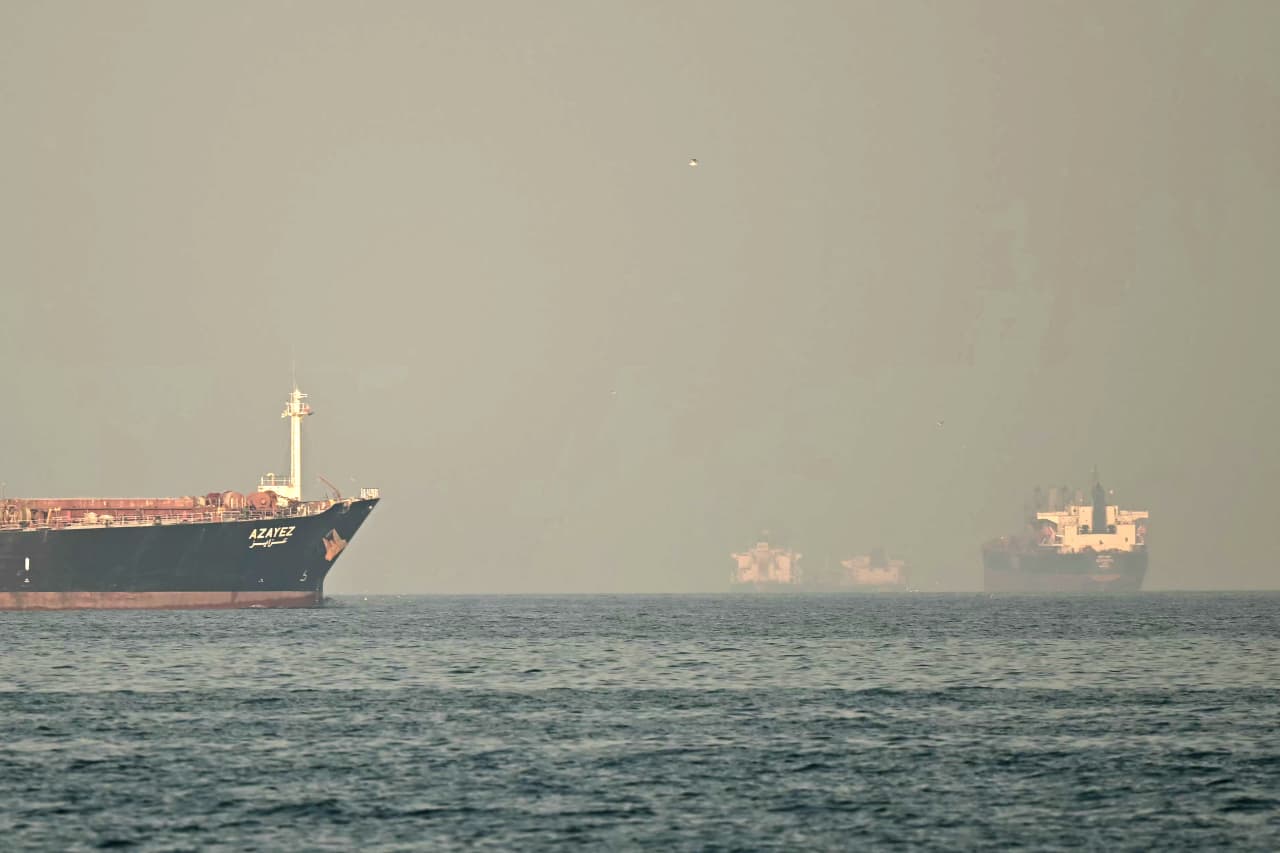
Recent discussions surrounding efforts to bolster maritime security in the volatile Persian Gulf region have brought forth a proposal for the United States government to offer an insurance mechanism for commercial vessels operating there. This initiative, reportedly part of broader strategic considerations aimed at ensuring unimpeded transit through critical waterways like the Strait of Hormuz, has immediately encountered significant skepticism from market observers. According to reports, analysts are questioning the viability of such a government-backed insurance solution, suggesting it may be fundamentally "too small for the risk" involved. This assessment highlights the immense scale of potential liabilities and the complex geopolitical environment that characterizes shipping operations in this vital global chokepoint. The proposal emerges amidst heightened tensions and a persistent need to safeguard international trade flows, particularly energy shipments, which are crucial for global economic stability. The core challenge lies in devising a robust and scalable framework that can effectively mitigate the substantial financial and operational risks faced by the shipping industry in an area prone to disruption.
The Strait of Hormuz, connecting the Persian Gulf to the open ocean, stands as one of the world's most strategically important maritime passages. A significant portion of the world's seaborne oil and liquefied natural gas (LNG) transits through this narrow waterway daily, making its security paramount for global energy markets and the broader economy. The Persian Gulf itself is a hub for extensive commercial shipping, carrying a diverse range of goods beyond energy. However, the region has historically been a flashpoint for geopolitical tensions, leading to periods of heightened risk for commercial vessels, including instances of attacks, seizures, and disruptions to navigation. In such an environment, the cost of maritime insurance, particularly war risk premiums, can skyrocket, making operations prohibitively expensive for shipping companies. Consequently, any proposal for government intervention in the insurance market is typically viewed as an attempt to stabilize these costs and encourage continued trade, thereby mitigating the economic fallout of regional instability. Understanding the sheer volume of trade and the potential for large-scale incidents is crucial to evaluating the adequacy of any proposed risk mitigation strategy.
The analytical critique that the proposed U.S. government insurance solution is "too small for the risk" underscores several critical concerns. Experts suggest that the sheer financial exposure in the event of a major incident—such as the damage or loss of multiple supertankers or large container ships, along with their high-value cargo—could far exceed the capacity of a limited government-backed scheme. Commercial vessels, especially those transporting valuable commodities like crude oil or sophisticated manufactured goods, represent assets worth hundreds of millions, if not billions, of dollars. Furthermore, the risks extend beyond physical damage to include potential delays, crew safety issues, and the broader disruption to supply chains, all of which carry substantial economic penalties. Analysts reportedly question whether a program designed to cover "ships trapped" would adequately address the full spectrum of operational and financial liabilities, or if it would merely scratch the surface of a much larger and more systemic problem. The scale of global maritime trade through the region, combined with the unpredictable nature of geopolitical events, demands a solution that can absorb potentially catastrophic losses without overwhelming the underwriting entity.
If a government-backed insurance solution is indeed deemed insufficient in scale, the implications for broader strategies to "open" or secure the Strait of Hormuz are significant. Relying on an inadequate insurance mechanism could create a false sense of security, potentially exposing commercial shipping to unmitigated risks and exacerbating market instability in the long run. Analysts suggest that a truly effective strategy would likely require a multi-faceted approach, potentially combining robust naval presence and escort missions, diplomatic initiatives to de-escalate regional tensions, and perhaps a more comprehensive international risk-sharing framework rather than a unilateral, limited government insurance plan. The current assessment highlights the challenge of translating geopolitical objectives into practical, commercially viable solutions. Without a credible and sufficiently resourced risk mitigation strategy, shipping companies may continue to face prohibitive insurance costs or choose to reroute, leading to increased transit times and higher freight costs, ultimately impacting global consumers and energy prices. The perceived impracticality of the insurance proposal thus points to the need for a more holistic and scalable approach to maritime security in the region.
The skepticism surrounding the proposed U.S. government insurance solution for ships in the Persian Gulf underscores the profound complexities inherent in safeguarding global maritime trade through contested waterways. While the intent to stabilize shipping operations and mitigate economic risks is clear, the analytical assessment that the plan is "too small for the risk" suggests a fundamental mismatch between the proposed remedy and the scale of the challenge. Moving forward, policymakers will likely need to explore more comprehensive and robust strategies that can genuinely address the multifaceted threats to shipping in the Strait of Hormuz and the broader Persian Gulf. This could involve a combination of military, diplomatic, and economic measures designed to provide enduring security and confidence for the international shipping community, ensuring the uninterrupted flow of vital resources and goods. The efficacy of any future initiatives will hinge on their ability to offer scalable and credible solutions that can withstand the unpredictable nature of regional geopolitics.