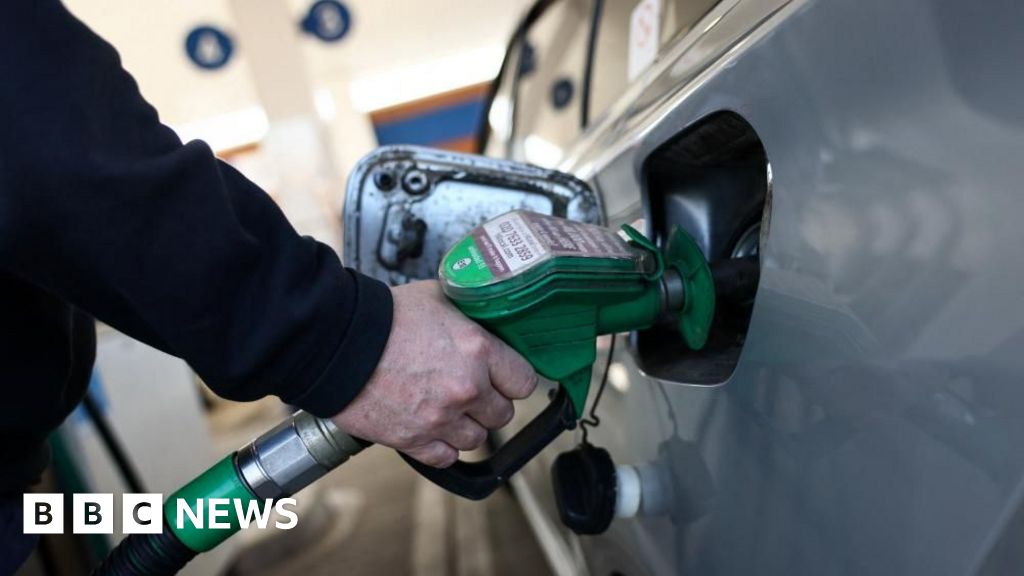
The recent escalation of the Iran conflict is sending significant ripple effects across international markets, with immediate and tangible consequences for consumers far beyond the Middle East, according to various reports. The region's pivotal role in global energy supply chains and critical shipping routes has ignited widespread concerns that everyday expenses, ranging from household heating bills to the cost of goods in supermarket shopping baskets, are poised for an upward trajectory. Initial observations indicate an immediate surge in fuel prices, as the production and transportation of oil and natural gas within the affected areas have experienced slowdowns or, in numerous instances, complete halts. While the full long-term implications remain uncertain, this developing crisis is already manifesting in higher costs at the pump and for domestic energy consumption, prompting analysts to closely monitor its potential to disrupt global economic stability and impact household budgets worldwide.
The Middle East has long been recognized as a cornerstone of the global energy landscape, housing a substantial portion of the world's proven oil and gas reserves and controlling vital maritime passages essential for international trade. Disruptions in this strategically crucial region inherently carry the potential to trigger widespread economic instability, a pattern observed in previous geopolitical flashpoints. The current situation draws parallels to the significant market volatility experienced in 2022 following Russia's full-scale invasion of Ukraine, which led to unprecedented spikes in global energy prices. During that period, unleaded petrol in the UK, for instance, saw an average cost of 147.77 pence per litre in the week preceding the invasion, only to surge by over 43 pence per litre less than four months later. Similarly, American consumers faced petrol and diesel prices exceeding $5 per gallon by June 2022, underscoring the profound impact regional conflicts can have on international energy markets and the daily lives of citizens globally.
Specific data points already highlight the immediate financial impact on consumers. In the United Kingdom, weekly official figures indicated that as of Monday, the average price for petrol at the pump stood at 132.14 pence per litre, while diesel averaged 142.15 pence per litre. Further tracking by the RAC, a prominent motoring organization, revealed a rapid escalation between Saturday and Thursday, with average petrol prices climbing by 3 pence per litre and diesel prices increasing by 5 pence per litre. Across the Atlantic, American drivers also felt the pinch, with average petrol prices on Tuesday rising by approximately 23 cents per gallon, equivalent to about 17 pence, compared to the previous week. Diesel prices in the US experienced an even sharper increase, up approximately 41 cents per gallon over the same period, according to reports. These initial increases, while notable, are currently reported to be below the peak levels observed during the 2022 energy crisis triggered by the conflict in Ukraine, offering a comparative perspective on the current market response.
Beyond liquid fuels, the conflict's influence has profoundly impacted natural gas markets, particularly in the UK. Reports indicate that benchmark UK gas prices nearly doubled in less than a week, soaring above 165 pence per therm on Tuesday. This level had not been seen since approximately a year after the commencement of the Ukraine war, signaling a significant market reaction. Although prices later receded to close at 138 pence per therm, they still represented an increase of over a fifth compared to Monday's figures, before settling at 127 pence on Wednesday. Analysts suggest that such rapid and substantial price movements in gas markets could translate into significantly higher heating bills for households and increased operational costs for industries reliant on natural gas. The broader implications extend to potential inflationary pressures across various sectors, as energy costs are embedded in the production and transportation of almost all goods and services, raising concerns about the overall cost of living and consumer purchasing power in the coming months.
In conclusion, the unfolding Iran conflict has swiftly demonstrated its capacity to reverberate through global energy markets, leading to immediate and measurable increases in petrol, diesel, and natural gas prices across key economies like the UK and the US. While the current price surges have not yet reached the peaks of the 2022 Ukraine-induced crisis, the rapid escalation, particularly in gas prices, underscores the volatility inherent in the situation. Consumers are advised to anticipate potential further increases in fuel and heating costs, which could subsequently impact the prices of a wider array of goods. The trajectory of these economic consequences remains closely tied to the evolving geopolitical situation in the Middle East, with analysts and policymakers closely monitoring developments for any signs of stabilization or further escalation that could dictate the severity and duration of these global economic pressures.