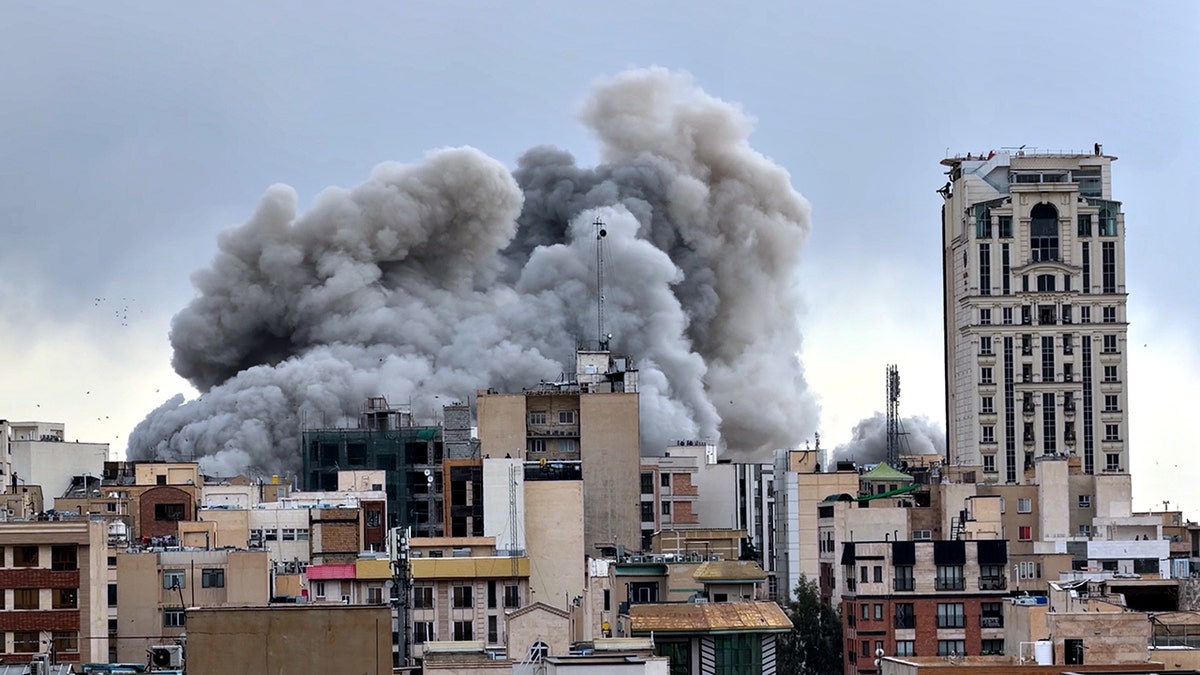
The demise of Iran's Supreme Leader, Ayatollah Ali Khamenei, in late February 2026, following what reports describe as coordinated U.S. and Israeli military actions, has been widely characterized as a pivotal geopolitical event of the current decade. In the immediate aftermath of these strikes, Iran reportedly launched a series of retaliatory missile and drone assaults targeting locations across Israel, as well as critical U.S. and Gulf-linked infrastructure. Concurrently, domestic conditions within Iran deteriorated, with widespread internet disruptions reported and a notable intensification of internal unrest across the nation. This complex sequence of events swiftly captured global attention, prompting a flurry of analyses from experts, journalists, and policymakers who offered diverse interpretations regarding the potential for further escalation, the humanitarian consequences, and the long-term stability of the Iranian regime. The incident has thus become a focal point for understanding the evolving dynamics of international relations in a highly volatile region.
However, a deeper examination, particularly through the lens of evolving U.S. national security doctrine, suggests that the operation may not be an isolated military incident but rather an integral component of a broader strategic transformation already underway. Over the past five years, Washington's strategic priorities have demonstrably shifted away from the counterterrorism focus that defined earlier eras. Instead, the emphasis has moved towards a framework of global competition centered on industrial capacity, control over critical infrastructure, and the dominance of technological ecosystems. Within this redefined strategic paradigm, elements such as energy routes, vital mineral supply chains, semiconductor manufacturing inputs, and extensive data networks are no longer merely considered commercial interests. Instead, officials now regard them as fundamental national security assets, underscoring a comprehensive re-evaluation of what constitutes strategic advantage in the 21st century.
Iran's unique and highly sensitive position within the global economic framework directly intersects with these emerging pillars of U.S. strategy. The Strait of Hormuz, a narrow maritime chokepoint bordering Iran, remains an indispensable artery for international commerce, facilitating the transit of approximately one-fifth of the world's traded oil and a substantial volume of liquefied natural gas exports. Persistent uncertainty surrounding this crucial waterway, whether stemming from Iran's missile capabilities, risks of naval harassment, or disruptions orchestrated by proxy groups in adjacent shipping lanes, has consistently imposed structural costs on global trade. This inherent instability in turn fuels volatility in energy markets, which directly impacts industrial capacity worldwide. Consequently, any event that amplifies or mitigates these uncertainties around Iran's influence over the Strait of Hormuz carries significant implications for global economic stability and, by extension, for the national security interests of major powers.
In the immediate aftermath of the strikes and Khamenei's death, the information landscape was quickly populated with competing interpretations. Some analysts and policymakers primarily focused on the immediate risks of military escalation, warning of a potential wider regional conflict. Others highlighted the severe humanitarian fallout, particularly given the reported internal unrest and internet disruptions within Iran, and expressed concerns about civilian populations. A third perspective centered on the long-term durability and stability of the Iranian regime itself, questioning how it would navigate such a significant leadership transition under duress. Yet, according to reports analyzing the increasingly guiding U.S. national security doctrine, the operation appears less as a standalone military escalation and more as a strategic move integrated into a broader transition. This perspective frames the events through the lens of economic security, technological dominance, and supply-chain resilience, suggesting a calculated alignment with Washington's evolving grand strategy.
Ultimately, the events surrounding the death of Ayatollah Ali Khamenei in early 2026 represent a multifaceted geopolitical moment. While the immediate military actions and their retaliatory consequences were significant, the incident also serves as a stark illustration of a fundamental shift in global strategic thinking. As various reports indicate, the focus of international competition is increasingly moving beyond traditional military power to encompass economic security, technological supremacy, and the resilience of critical supply chains. The instability linked to Iran, particularly concerning vital energy and trade routes, now directly aligns with these redefined national security priorities. Going forward, observers will undoubtedly watch how these evolving strategic doctrines continue to shape international responses to regional conflicts and influence the broader geopolitical landscape.