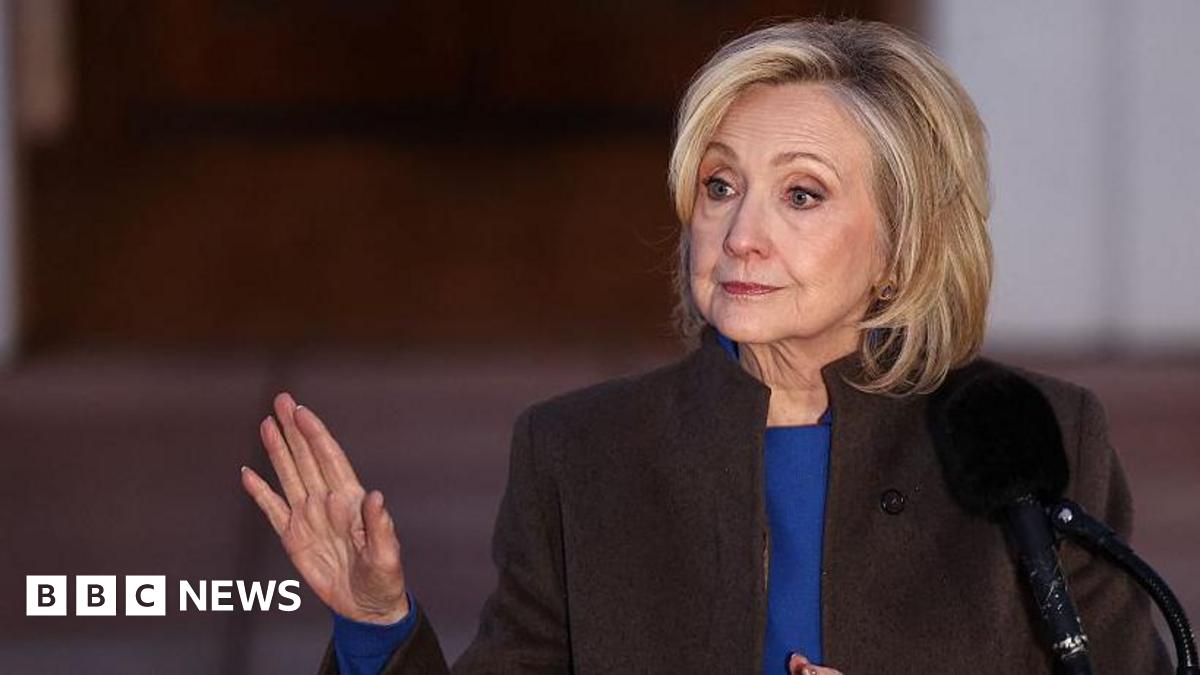
Former Secretary of State Hillary Clinton recently concluded a comprehensive day of private testimony before the Oversight Committee, addressing inquiries related to the deceased financier Jeffrey Epstein. The session, which occurred on February 26th, saw Mrs. Clinton reportedly direct a significant number of questions regarding Epstein to her husband, former President Bill Clinton. Mr. Clinton is slated to appear before the same committee on the subsequent day. Following her appearance, Mrs. Clinton conveyed a strong desire for full openness, expressing her wish "to see truth come out," according to various reports. This high-profile engagement underscores the ongoing scrutiny surrounding Epstein's extensive network and the persistent public demand for accountability from individuals connected to his illicit activities. The committee’s focus on obtaining comprehensive information from prominent figures like the Clintons highlights the gravity of the investigation into the late financier's operations and associations, aiming to shed light on the full scope of his activities and those who may have facilitated or been aware of them.
The ongoing investigation into Jeffrey Epstein's activities and his network of high-profile associates has maintained significant public and political interest for years, intensifying following his death. Epstein, a convicted sex offender, cultivated connections with numerous influential figures across various sectors, leading to persistent questions about the extent of their knowledge regarding his illicit conduct. The Oversight Committee's decision to summon both former Secretary Clinton and former President Clinton reflects a broader effort to piece together the full narrative surrounding Epstein's operations and to understand the nature of his relationships with powerful individuals. This particular line of inquiry aims to clarify any potential links or information held by the Clintons, given their past interactions and public profile. The committee's mandate typically involves examining government operations and, in cases like this, can extend to scrutinizing the conduct of public figures when it intersects with matters of significant public concern and potential legal implications. The public's demand for transparency in this deeply unsettling case continues to drive legislative efforts to uncover all relevant facts.
The testimony delivered by Mrs. Clinton was conducted behind closed doors, a standard procedure for sensitive committee investigations designed to facilitate candid responses without immediate public disclosure of specific details. During this extensive session on February 26th, reports indicate that Mrs. Clinton frequently deferred questions pertaining to Jeffrey Epstein's activities and her knowledge thereof, redirecting them towards her husband, former President Bill Clinton. This strategic referral suggests that the committee's line of questioning may have delved into areas where Mr. Clinton's direct involvement or information is deemed more pertinent. The anticipated testimony of former President Bill Clinton, scheduled for the day immediately following his wife's appearance, is therefore expected to be a crucial component of the committee's fact-finding mission. His session will likely address the very questions Mrs. Clinton reportedly referred, offering the committee an opportunity to gain further insights directly from him. Mrs. Clinton's post-testimony statement, expressing her wish "to see truth come out," according to sources, resonates with the broader public desire for full disclosure and accountability in the complex Epstein saga.
The appearance of such prominent political figures before a congressional committee regarding the Epstein scandal carries substantial implications, both for the individuals involved and for the ongoing public discourse surrounding accountability. For the Clintons, their testimony places them squarely back in the spotlight concerning a deeply controversial and morally charged issue, potentially reigniting scrutiny over their past associations. Analysts suggest that Mrs. Clinton's strategy of referring questions to her husband could be interpreted in various ways: as a genuine reflection of who holds the most direct information, or as a tactical move to manage the narrative. Regardless, it heightens the anticipation for former President Bill Clinton's upcoming testimony, which will undoubtedly be scrutinized for its candor and completeness. This event also underscores the enduring power of the Epstein investigation to draw in high-profile personalities, demonstrating the committee's commitment to pursuing all avenues in its quest for answers. The public's perception of transparency and cooperation from all witnesses will be critical in shaping the narrative as the investigation progresses.
In summary, former Secretary of State Hillary Clinton's recent closed-door testimony before the Oversight Committee marks a significant development in the continuing investigation into Jeffrey Epstein's network. Her reported referral of numerous questions to former President Bill Clinton, who is slated to testify next, sets the stage for further revelations. Mrs. Clinton's public statement, expressing a desire for the "truth to come out," aligns with the widespread public demand for transparency and accountability in this complex and sensitive case. As the committee continues its work, all eyes will be on Mr. Clinton's upcoming appearance, which is expected to provide additional crucial details. The ultimate goal remains a comprehensive understanding of Epstein's activities and the roles, if any, played by his high-profile associates, ensuring that all relevant facts are brought to light for public record and potential justice.