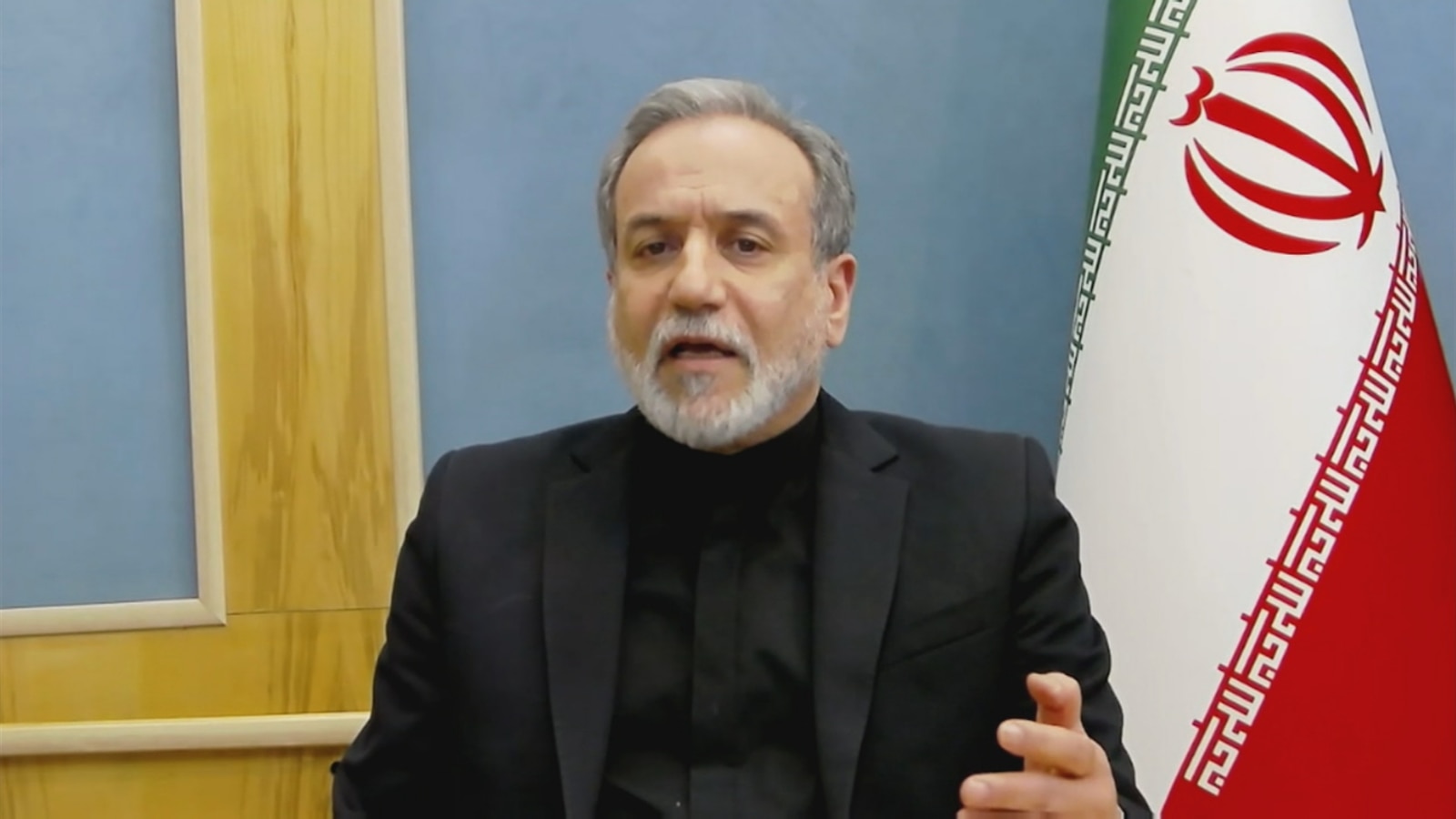
Iranian Foreign Minister Abbas Araghchi firmly stated on Sunday that his nation possesses an inherent right to self-defense, a declaration made amidst heightened tensions following recent actions by the United States. Speaking to ABC News, Araghchi directly challenged the notion that any global leader could dictate Iran's response to what it perceives as strikes against its sovereignty. This assertion came in direct counterpoint to a social media post from President Donald Trump earlier the same day, which explicitly warned Iran against any retaliatory actions, threatening an unprecedented display of force should Tehran choose to respond. Araghchi underscored that Iran's military capabilities remain consistent, emphasizing that its current posture is one of legitimate self-preservation rather than aggression. According to reports from ABC News, the minister articulated a clear distinction between defensive measures and offensive acts, asserting that Iran's actions fall squarely within the former category, rejecting external admonitions against protecting its national interests.
The backdrop to these sharp exchanges is a period of significant geopolitical instability and escalating friction between Washington and Tehran. Recent United States military operations, though not detailed in the source, have evidently provoked a strong reaction from the Iranian leadership, leading to a cycle of threats and counter-threats. This latest diplomatic confrontation highlights the precarious state of relations, which have deteriorated considerably since the US withdrawal from the Joint Comprehensive Plan of Action (JCPOA) in 2018. The subsequent re-imposition of stringent sanctions by the US has further exacerbated economic pressures on Iran, contributing to a climate of mistrust and antagonism. Historically, both nations have engaged in proxy conflicts and rhetorical battles across the Middle East, with each side accusing the other of destabilizing the region. The current situation, marked by direct public warnings from a US President and defiant responses from a senior Iranian diplomat, underscores the potential for rapid escalation and the urgent need for de-escalation, as misinterpretations of intent could have severe consequences for regional and global security.
During his interview with ABC News' "This Week" anchor George Stephanopoulos, Foreign Minister Araghchi elaborated on Iran's position, asserting that no head of state possesses the authority to instruct Iran against responding to what it considers legitimate attacks. He unequivocally stated that Iran is defending itself and possesses every legitimate right to do so, according to the broadcast. Araghchi further clarified that Iran's actions are fundamentally acts of self-defense, drawing a sharp contrast with aggression. He suggested that admonishments should instead be directed towards those initiating attacks, rather than those defending themselves. Specifically, Araghchi indicated that the international community should advise the United States President against launching aggressions on other sovereign nations, rather than attempting to deny Iran its fundamental right to protect itself. This stance was a direct rebuttal to President Trump's social media declaration, where the US leader had warned that if Iran were to "hit very hard," the United States would respond with "a force that has never been seen before," a statement that significantly ratcheted up the rhetorical stakes in the ongoing standoff.
The implications of such high-stakes rhetoric from both the United States and Iran are profound, signaling a dangerous phase in their already strained relationship. Iran's steadfast insistence on its right to self-defense, as articulated by Foreign Minister Araghchi, suggests a firm resolve to respond to perceived provocations, potentially leading to further retaliatory cycles. This position could be interpreted as a warning that Iran will not be deterred by threats, even those emanating directly from the US President. Conversely, President Trump's explicit warning of "unprecedented force" if Iran retaliates underscores a zero-tolerance policy from Washington, aiming to deter any Iranian response. Analysts suggest that this public exchange of threats risks miscalculation, where either side might misinterpret the other's resolve or red lines, potentially triggering unintended military confrontations. The diplomatic channels, already tenuous, appear to be further strained by these public declarations, making it increasingly difficult to find off-ramps for de-escalation and raising concerns among international observers about the stability of the Middle East region.
In summary, the recent statements from Iranian Foreign Minister Abbas Araghchi underscore Tehran's unwavering commitment to its right of self-defense, directly challenging President Trump's warnings against retaliation. Araghchi's remarks to ABC News highlight Iran's view of its actions as legitimate responses to perceived aggressions, rather than offensive acts, and reiterate that its military posture remains unchanged. This diplomatic exchange, set against a backdrop of recent US military actions and escalating tensions, signifies a critical juncture in US-Iran relations. The public nature of these threats from both sides raises significant concerns about the potential for miscalculation and further destabilization in the Middle East. Moving forward, the international community will be closely watching for any practical manifestations of these strong declarations, assessing whether rhetoric will translate into further military action or if diplomatic efforts, however strained, can still find a path towards de-escalation.