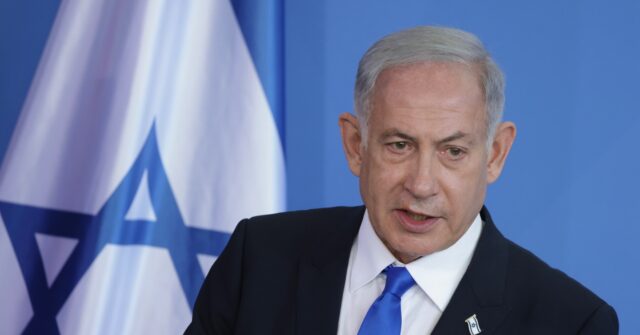
In a dramatic escalation of long-standing regional tensions, Israeli authorities confirmed on Saturday their involvement in a significant military operation conducted within Iranian territory. Reports from The Times of Israel, widely cited, indicated that these strikes were reportedly carried out in collaboration with United States forces. The primary objectives of this coordinated assault were said to be the highest echelons of Iran's Islamist regime in Tehran, specifically identifying Supreme Leader Ali Khamenei and President Masoud Pezeshkian as key targets. Beyond leadership, the operation also reportedly aimed to dismantle Tehran's advanced missile program, a strategic capability that has been a persistent source of concern for both Washington and Jerusalem. On the same day, Israeli Prime Minister Benjamin Netanyahu publicly expressed gratitude to U.S. President Trump for his support, while also issuing a direct appeal to the Iranian populace to overthrow the current regime, signaling a profound shift in diplomatic and military strategy.
This audacious military action unfolds against a backdrop of decades of simmering animosity and a complex web of proxy conflicts involving Israel, the United States, and Iran. Since its establishment following the 1979 revolution, the Islamic Republic has consistently been perceived by Israel as an existential threat, primarily due to its persistent pursuit of nuclear capabilities and the development of a sophisticated ballistic missile arsenal. The United States, for its part, has voiced grave concerns regarding Iran's activities that destabilize the broader Middle East, its extensive support for various proxy groups across the region, and its widely criticized human rights record. Previous international diplomatic efforts, notably the Joint Comprehensive Plan of Action (JCPOA), sought to curb Iran's nuclear ambitions. However, the U.S. withdrawal from this agreement under the Trump administration significantly intensified a 'maximum pressure' campaign, setting the stage for the current direct confrontation. This latest operation, with its explicit focus on Iran's top leadership and critical missile infrastructure, represents a profound shift, transforming a long-running shadow war into an overt military engagement.
Further details emerging from the operation, which the Israeli Defence Forces (IDF) reportedly designated as "Operation Roaring Lion," underscore the extensive scope of the engagement. According to statements from the IDF, their forces successfully struck "hundreds of targets" across Iran, indicating a broad and comprehensive assault designed to inflict significant damage on the regime's military and leadership infrastructure. The reported involvement of United States forces suggests a high level of strategic coordination and shared intelligence in planning and executing such a complex operation. Prime Minister Netanyahu's public acknowledgment and thanks to President Trump further highlight the perceived alliance and mutual objectives between the two nations in confronting the Iranian threat. The explicit targeting of key figures like Supreme Leader Ali Khamenei and President Masoud Pezeshkian, alongside the destruction of missile facilities, signals a strategic intent to not only degrade Iran's military capabilities but also to potentially destabilize its political leadership, marking a new phase in regional power dynamics.
The implications of these strikes are far-reaching, signaling a dramatic escalation in the ongoing geopolitical struggle and marking a pivotal moment where the long-simmering 'shadow war' has transitioned into direct, overt military confrontation. Experts suggest that targeting the highest echelons of Iran's leadership, as reported, represents a significant departure from previous strategies, which often focused on covert operations or proxy engagements. This direct approach could fundamentally alter the calculus for all parties involved, potentially leading to unpredictable retaliatory actions from Tehran. The stated objective of dismantling Iran's advanced missile program, a cornerstone of its regional power projection, indicates a strategic effort to diminish its capacity for asymmetric warfare and its perceived threat to regional stability. This move could also reshape alliances and security arrangements in the Middle East, forcing nations to re-evaluate their positions in an increasingly volatile environment, with the potential for broader regional conflict looming.
In summary, the confirmed Israeli military operation inside Iran, reportedly supported by the United States, represents a critical turning point in the decades-long standoff. By targeting top Iranian leadership and crucial missile infrastructure, the operation, dubbed "Operation Roaring Lion," has moved the conflict from covert actions to overt military engagement. Prime Minister Netanyahu's public call for regime change further underscores the high stakes involved. The international community will undoubtedly be watching closely for Iran's response and the potential for a wider regional conflagration. The coming days and weeks will be crucial in determining the immediate aftermath and the long-term trajectory of relations between Israel, the United States, and Iran, as the region grapples with this unprecedented escalation.