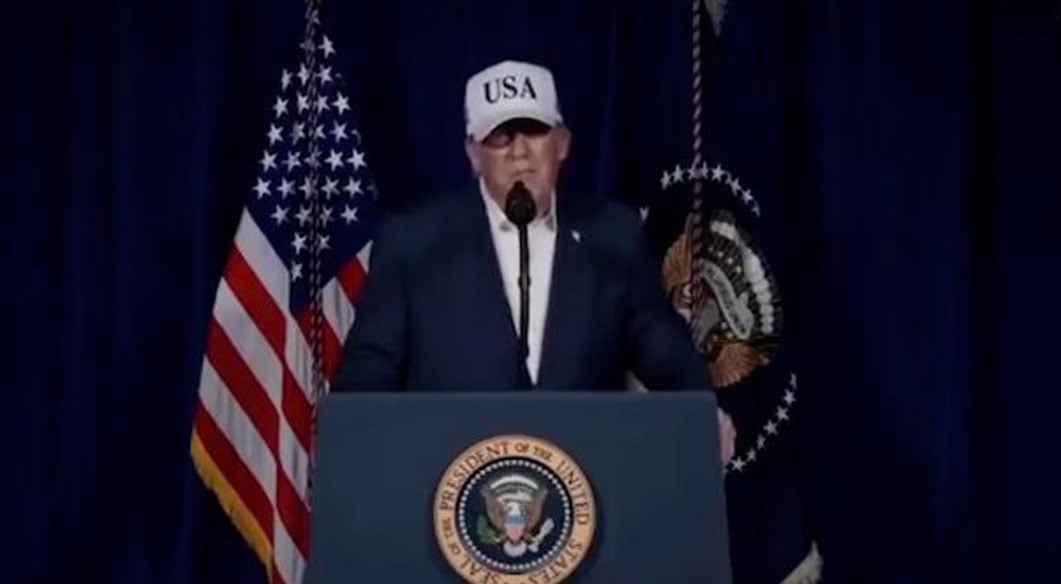
A significant military operation unfolded on Saturday, February 28, 2026, as the United States and Israel reportedly carried out extensive strikes against targets within Iran, immediately intensifying the already volatile situation across the Middle East. These coordinated assaults, according to various accounts, were specifically directed at key components of Iran's command structure. An Israeli official confirmed that among the primary objectives were Iran's Supreme Leader, Ali Khamenei, and President Masoud Pezeshkian, though the precise outcomes regarding these high-profile individuals remain unverified at this time. This dramatic development has triggered widespread alarm throughout the region, particularly among oil-producing Gulf Arab nations, who are now reportedly on high alert amidst escalating fears of a broader, destabilizing conflict. The full scope of the damage and casualties is still being assessed, but the implications for regional stability are already profound, marking a critical turning point in the long-standing geopolitical tensions.
These recent military engagements are set against a backdrop of deeply entrenched and protracted animosity between the United States, Israel, and the Islamic Republic of Iran. For many years, diplomatic efforts to de-escalate tensions have frequently faltered, largely due to persistent accusations concerning Iran's nuclear ambitions, its alleged financial and logistical backing for various proxy groups across the Middle East, and its perceived role in destabilizing regional security. Former U.S. President Trump, whose administration initiated these latest actions, has consistently maintained a resolute stance on Iran, often characterizing its government as a dangerous regime that required direct confrontation. The decision to specifically target prominent figures within the Iranian leadership, including the nation's Supreme Leader and President, represents an unprecedented and highly provocative escalation, moving beyond previous strategies of sanctions or proxy engagements and directly challenging the core of Iran's political and military establishment.
Further details emerging from the region indicate the severity of the recent strikes. While the exact fate of Supreme Leader Ali Khamenei and President Masoud Pezeshkian remains unconfirmed by official sources, an Iranian source closely connected to the establishment later disclosed that several high-ranking commanders within Iran's Revolutionary Guards, alongside various political officials, were reportedly killed during the assaults. Former U.S. President Trump, in his comments on the operations, asserted that the actions were undertaken to neutralize a perceived security threat to the United States and simultaneously to offer the Iranian populace an opportunity to challenge their existing rulers. In response to the attacks, Iran's Revolutionary Guards themselves claimed to have launched retaliatory strikes against both Israeli and U.S. positions, signaling a rapid and dangerous cycle of escalation that has heightened regional anxieties and raised the specter of a wider confrontation.
The implications of these coordinated strikes are far-reaching, with analysts suggesting a significant recalibration of power dynamics in the Middle East. The direct targeting of Iran's top leadership, even if the precise outcomes are unconfirmed, signifies a profound shift in strategy, potentially moving beyond containment to a more direct challenge to the Iranian regime's stability. This aggressive posture could provoke unpredictable responses, not only from Tehran but also from its network of regional allies and proxies, potentially igniting conflicts on multiple fronts. Observers are particularly concerned about the impact on global energy markets, given the heightened alert among Gulf Arab oil-producing nations, which could face severe disruptions if the conflict broadens. The stated objective by former President Trump of empowering the Iranian populace to challenge their government also introduces a complex layer of internal dynamics, the success or failure of which could redefine the future political landscape of Iran and the wider region.
In summary, the joint U.S. and Israeli military strikes against Iran on February 28, 2026, represent an unprecedented escalation in Middle East tensions, directly targeting the Islamic Republic's leadership. While the confirmed outcomes regarding Supreme Leader Ali Khamenei and President Masoud Pezeshkian are pending, reports indicate significant casualties among Iranian military and political figures. The immediate aftermath has seen Iran's Revolutionary Guards claim retaliatory actions, with Gulf Arab nations on high alert, underscoring the severe risk of a broader conflict. The coming days will be critical in observing further responses from all parties, the international community's reaction, and any confirmed details on the impact of these high-stakes operations, as the region braces for potential instability and geopolitical shifts.