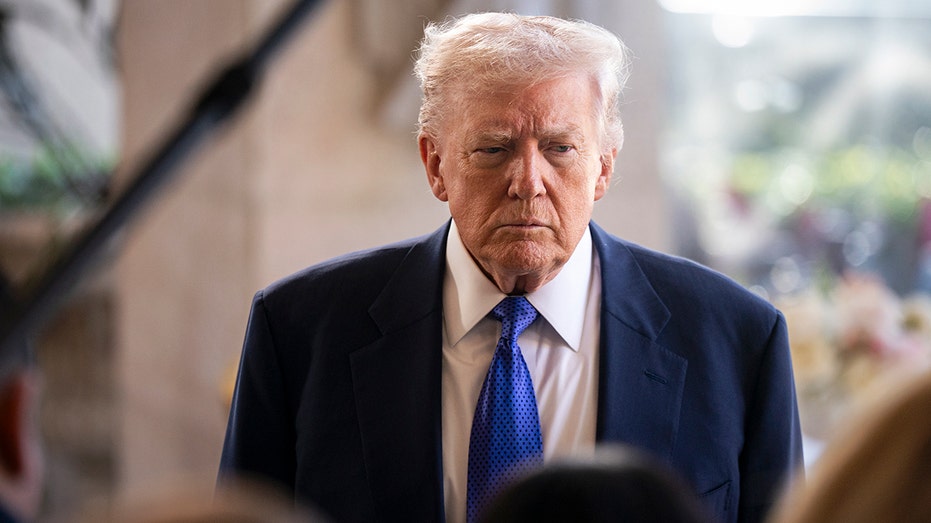
In a significant escalation of Middle Eastern geopolitical tensions, the United States and Israel have reportedly initiated joint military operations within Iranian territory. This coordinated offensive, officially designated "Operation Epic Fury" by the Pentagon, commenced shortly after 9 a.m. local time, signaling a profound shift in the long-strained relationship between Washington and Tehran, according to various reports. Simultaneously with the onset of these military actions, former President Donald Trump released a video message via his social media platform, Truth Social. In his address, Trump directly appealed to the Iranian populace, urging them to seize control of their government once the "major combat operations" by American and Israeli forces conclude. He declared that "the hour of your freedom is at hand," a statement that underscores the dual nature of this development. This combination of overt military intervention and a direct call for internal political upheaval represents an unprecedented strategic maneuver, as indicated by multiple sources.
The decision to pair joint military action with an explicit call for regime change marks an unparalleled moment in the complex and often volatile history connecting the United States, Israel, and Iran. For many decades, the relationship between these nations has been characterized by intense animosity, a series of proxy conflicts across the region, and persistent diplomatic stalemates, particularly fueled by international concerns regarding Iran's nuclear ambitions and its broader regional influence. While previous American administrations have employed various measures, including stringent economic sanctions and covert support for opposition movements, a direct military intervention coupled with an explicit presidential endorsement of a popular uprising during active combat operations stands as a significant departure from established foreign policy norms. This strategic maneuver, as noted by analysts, possesses the potential to fundamentally reconfigure the geopolitical landscape of the Middle East, possibly drawing in other regional actors and international powers.
Reports indicate that "Operation Epic Fury" represents a new phase in the ongoing tensions, moving beyond previous strategies of containment and deterrence. The precise nature and targets of these joint operations within Iranian territory have not been fully disclosed, but their designation as "major combat operations" by former President Trump suggests a substantial undertaking. The timing of Trump's video message, released concurrently with the military actions, is particularly noteworthy. His direct address to the Iranian people, disseminated through his personal social media platform, aims to galvanize internal dissent at a moment of external pressure. This strategic confluence of kinetic military action and a public appeal for popular revolt is a tactic rarely, if ever, seen on such a scale in modern international relations, according to observers. The intent, as interpreted by some, is to create a two-pronged pressure campaign, weakening the Iranian government both externally and internally.
Expert perspectives suggest that this dual development carries significant implications for regional stability and international law. Analysts indicate that combining direct military intervention with an explicit call for regime change could be perceived as a profound challenge to Iran's sovereignty, potentially provoking a strong retaliatory response from Tehran and its proxies. The involvement of both the United States and Israel in a coordinated offensive underscores the depth of their shared concerns regarding Iran's actions and ambitions. Looking forward, this strategy could either accelerate a desired outcome of political change within Iran or, conversely, solidify support for the current government in the face of perceived foreign aggression. The potential for the conflict to expand, drawing in other regional states or global powers, remains a critical concern, with the Middle East already a crucible of complex alliances and rivalries. The long-term consequences for the region's geopolitical balance are likely to be profound and far-reaching.
In summary, the commencement of "Operation Epic Fury" by US and Israeli forces within Iran, coupled with former President Donald Trump's direct appeal to the Iranian populace for an internal uprising, marks an unprecedented and highly volatile moment in international relations. This dual strategy represents a significant departure from historical foreign policy approaches, introducing a new level of direct engagement aimed at influencing Iran's internal political landscape during active military operations. The coming days and weeks will be crucial in observing the immediate impact of these military actions, the Iranian government's response, and the reaction of the international community. Observers will be closely watching for any signs of internal unrest in Iran, as well as potential escalations that could reshape the geopolitical dynamics of the entire Middle East.