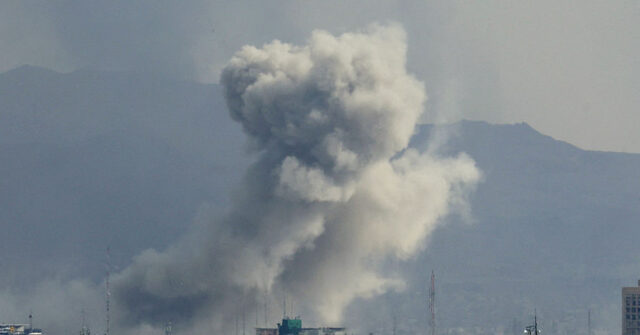
The military campaign targeting Iran, known as Operation Epic Fury, has now reached its third day, marked by continued offensive actions against strategic locations within Iran and persistent efforts to intercept Iranian aerial assets. Reports indicate that Iranian aircraft, missiles, and drones have been actively engaged as they attempted to strike targets across the broader Middle East and the Eastern Mediterranean region. This ongoing escalation has prompted significant diplomatic and military responses from various international actors, including the relocation of critical military assets and urgent advisories for citizens in volatile areas. The intensity of the conflict underscores a rapidly evolving security landscape, with implications extending far beyond the immediate operational zones, as nations assess the potential for wider regional destabilization and the need for enhanced defensive postures.
The current phase of Operation Epic Fury follows a period of heightened tensions that culminated in direct military engagement. The decision by the United States and its allies to initiate strikes against Iran was reportedly a response to escalating threats and actions attributed to Tehran, aiming to neutralize perceived capabilities and deter further aggression. This operation unfolds against a backdrop of long-standing geopolitical rivalries and security concerns in the Middle East, a region historically prone to complex conflicts involving state and non-state actors. The involvement of various international powers, directly or indirectly, highlights the intricate web of alliances and strategic interests at play, making the current confrontation a critical juncture in regional stability. Previous incidents, including drone attacks and missile launches, have consistently underscored the fragility of peace and the potential for rapid escalation, setting the stage for the current, more overt military actions.
In a significant development reported by Madrid’s ABC newspaper, the Pentagon undertook the relocation of military aircraft from its Rota and Moron bases in southern Spain on Sunday. This strategic move followed statements from the socialist government of Spanish Prime Minister Pedro Sanchez, who, notably, was the sole European Union leader to publicly denounce the U.S.-Israeli strikes on Iran. Sanchez's administration had previously communicated that Spanish military facilities could not be utilized for launching offensive operations against Iran. According to ABC, these logistical support aircraft were likely redeployed to other European installations, with Germany’s Ramstein Air Base suggested as a potential destination. Meanwhile, French President Emmanuel Macron issued a stark warning on Monday, conveyed via BFMTV, emphasizing that the conflict in Iran could introduce "its share of instability and possible conflagration to our borders." Macron specifically cited the enduring dangers posed by "an Iran with nuclear and ballistic capabilities not yet destroyed," while also asserting that "All those who would have the audacity to attack France know the unbearable price they would have to pay." This declaration followed an earlier incident on Sunday where French naval assets stationed in the United Arab Emirates sustained minor damage from a drone attack, prompting Macron to announce an elevated French military posture in the Gulf region.
The unfolding events of Operation Epic Fury and the subsequent international reactions signal a profound shift in regional dynamics, with expert perspectives suggesting a prolonged period of instability. The relocation of U.S. military assets from Spain, driven by a host nation's political stance, underscores the complex diplomatic challenges inherent in coalition operations and the potential for internal disagreements among allies. This move could necessitate a re-evaluation of logistical chains and operational readiness for future endeavors. French President Macron's strong warnings highlight a broader European apprehension regarding the conflict's potential to spill over, particularly given Iran's reported nuclear and ballistic capabilities. His emphasis on protecting French interests, even after a drone attack on naval assets, indicates a readiness to defend national security in an increasingly volatile Gulf region. The urgent advisories from U.S. Embassies in Lebanon and Iraq further illustrate the immediate human cost and the heightened risk to civilian populations, suggesting that the conflict's ripple effects are already impacting daily life and travel across the Middle East. Analysts suggest that the coming days will be crucial in determining whether the conflict can be contained or if it will trigger a wider regional confrontation, potentially drawing in more international actors.
As Operation Epic Fury enters its third day, the situation remains highly fluid and precarious. Key takeaways include the continued military engagement within Iran and across the Middle East, the strategic repositioning of U.S. military assets due to diplomatic pressures, and strong warnings from European leaders about the conflict's potential for widespread instability. The urgent calls for American citizens to depart Lebanon and exercise extreme caution in Iraq underscore the immediate and severe risks to civilians in the region. Going forward, observers will be closely watching for any further escalation of military actions, the responses from regional and international powers, and the potential for diplomatic interventions to de-escalate the crisis. The long-term implications for global energy markets, international shipping lanes, and the broader geopolitical balance of power are significant, making the ongoing developments in the Middle East a critical focus for global attention.