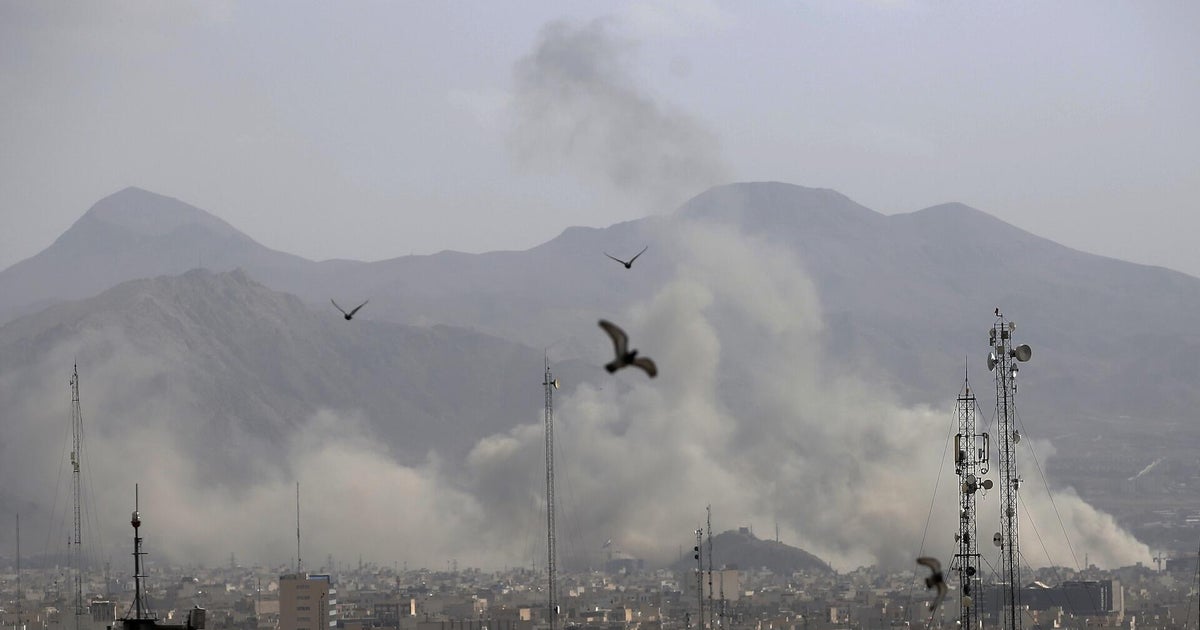
In a significant development for regional stability, U.S. Central Command (CENTCOM) has officially confirmed that no American military personnel sustained deaths or injuries following recent retaliatory strikes launched by Iran. This crucial update was disseminated via a statement on social media, providing an immediate assessment of the impact on U.S. forces stationed in the Middle East. The Iranian offensive was explicitly characterized as a direct response to a prior military operation conducted jointly by the United States and Israel. The absence of American casualties, as reported by officials, is a pivotal detail that could heavily influence the immediate trajectory of an already volatile geopolitical landscape. This information, emerging within the last few hours, offers a preliminary but vital understanding of the immediate aftermath of the Iranian actions, alleviating initial concerns regarding potential loss of life among U.S. service members and potentially mitigating the immediate pressure for further escalation in the highly sensitive region. The swift communication from CENTCOM underscores the urgency and importance of transparent reporting during periods of heightened military activity and geopolitical tension, aiming to provide clarity amidst rapidly evolving circumstances.
The backdrop to these events is a deeply entrenched history of tension and strategic maneuvering between the United States, its allies, and Iran across the Middle East. For decades, the region has been a focal point for geopolitical rivalries, often manifesting in proxy conflicts, military exercises, and targeted operations. U.S. Central Command, responsible for American military operations in 21 nations across the Middle East, Central Asia, and parts of South Asia, plays a critical role in monitoring and responding to threats, as well as safeguarding U.S. interests and personnel. Retaliatory strikes, such as those recently undertaken by Iran, are typically a calculated response designed to convey resolve and deter further actions, yet they inherently carry the risk of unintended escalation. The specific 'U.S. and Israel military operation' that prompted Iran's response, while not detailed in the current reports, fits into a broader pattern of security interventions and counter-terrorism efforts aimed at maintaining regional stability and countering perceived threats. Understanding this complex historical context is essential for grasping the gravity of any direct military engagement and the potential ramifications for all parties involved, making the current casualty report particularly noteworthy.
The official confirmation regarding the absence of American deaths or injuries came directly from U.S. Central Command through a statement released on its social media platforms. This method of communication highlights the modern military's reliance on digital channels for rapid dissemination of critical information, especially during fast-moving crises. For military commands, providing timely and accurate assessments of personnel status is paramount, not only for internal accountability but also for managing public perception and international relations. The fact that no U.S. service members were reported harmed suggests that either the Iranian strikes were ineffective against American positions, or robust defensive measures were successfully implemented, or perhaps a combination of both. While the report specifically addresses personnel, it does not detail any potential damage to infrastructure or equipment, leaving some aspects of the attack's overall impact open to further assessment. However, the primary focus on human life underscores the immediate relief this news brings to families of deployed personnel and to policymakers grappling with the potential for a wider conflict, indicating a critical threshold was not crossed in terms of direct human cost.
Observers and geopolitical analysts are now closely examining the implications of this report, particularly the absence of American casualties, for the broader regional dynamics. Some suggest that the lack of U.S. deaths or injuries could be interpreted in several ways: it might indicate a deliberate attempt by Iran to calibrate its response to avoid a full-scale war, signaling resolve without provoking an overwhelming counter-response. Alternatively, it could point to the effectiveness of U.S. defensive systems and preparedness, demonstrating a capacity to withstand such attacks without significant human cost. This outcome could potentially de-escalate immediate tensions, providing a window for diplomatic efforts to prevent further military exchanges. However, analysts also caution that while the immediate human cost for the U.S. is zero, the underlying grievances and strategic competition between the involved parties remain. The incident still represents a direct military confrontation, and its long-term effects on regional alliances, deterrence strategies, and the overall security architecture of the Middle East will continue to be a subject of intense scrutiny and potential future adjustments by all actors.
In conclusion, the definitive statement from U.S. Central Command, confirming no American deaths or injuries following Iran's recent retaliatory strikes, stands as a critical piece of information in the ongoing complex geopolitical landscape of the Middle East. This report, delivered through official military channels, offers a measure of immediate relief and could play a significant role in shaping the next steps for all involved parties. While the absence of U.S. casualties may temper immediate calls for further escalation, the underlying tensions and the strategic motivations behind both the initial U.S. and Israeli operation and Iran's subsequent response remain potent. As the situation continues to unfold, global attention will remain fixed on the region, watching for any further military actions, diplomatic overtures, or shifts in rhetoric that could indicate the future trajectory of this delicate balance of power. The coming days will be crucial for assessing the full impact of these events and the potential for either de-escalation or renewed confrontation.