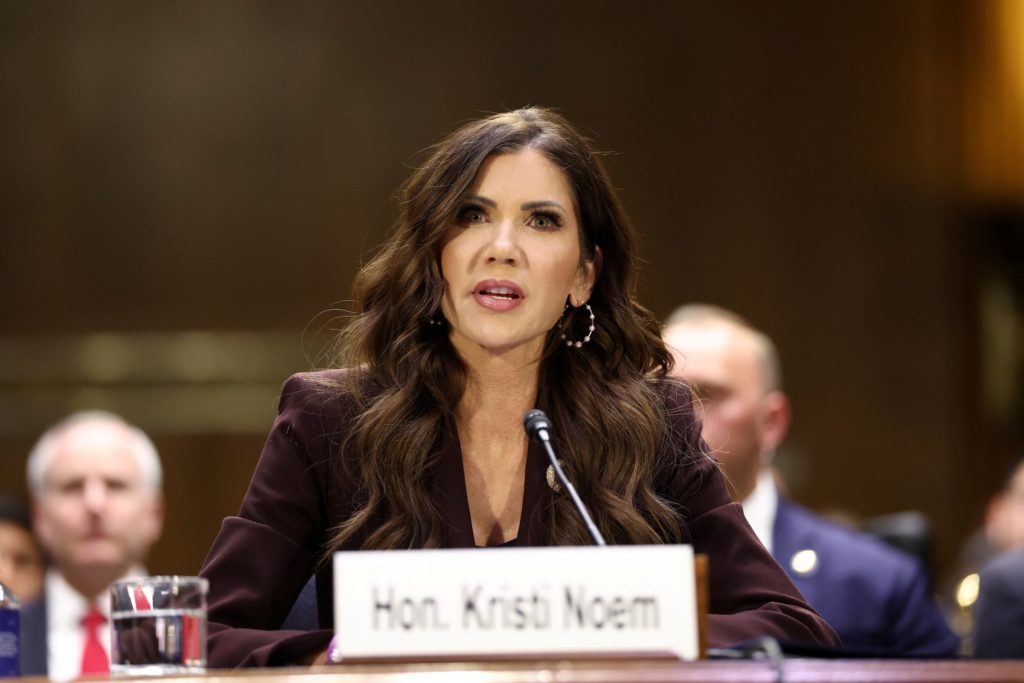
Homeland Security Secretary Kristi Noem recently appeared before the Judiciary Committee, where she mounted a defense of her department's immigration enforcement strategies. Her testimony unfolded against a backdrop of significant congressional scrutiny, with both Democratic and a segment of Republican senators expressing concerns over what they characterized as excessively aggressive tactics employed by the department. This high-stakes hearing occurred at a critical juncture for national security, as lawmakers remain mired in a contentious deadlock regarding the allocation of funds for the Department of Homeland Security. Reports indicate that this funding impasse is particularly troubling given the escalating geopolitical tensions and conflict unfolding in the Middle East, which officials suggest amplify the urgency of maintaining robust national security operations. The Secretary's appearance underscored the deep divisions within Washington concerning the balance between border security, humanitarian considerations, and the operational scope of federal agencies responsible for safeguarding the nation's borders and internal security.
The current congressional stalemate over DHS funding represents a significant challenge to the nation's security infrastructure, with potential ramifications extending beyond immigration enforcement. Historically, debates surrounding the Department of Homeland Security's budget have often become flashpoints for broader political disagreements, particularly those concerning border policy and the scope of federal power. The Judiciary Committee's role in overseeing the department's operations places it at the heart of these discussions, tasked with balancing executive authority with legislative oversight. The context of an intensifying conflict in the Middle East, as noted by various reports, adds another layer of complexity, elevating concerns about potential threats to national security and the need for a fully funded and operational DHS. This environment puts immense pressure on Secretary Noem and her department to demonstrate effective management and strategic foresight, even as their funding remains uncertain, impacting morale and operational capacity across various crucial divisions.
During her appearance, Secretary Noem reportedly articulated her department's rationale for its enforcement posture, likely emphasizing the necessity of firm measures to secure the nation's borders and uphold immigration laws. However, her explanations were met with considerable pushback, particularly from senators who voiced objections to the perceived severity of the department's actions. The bipartisan nature of this criticism, involving both Democratic lawmakers and some Republican colleagues, signals a broader unease across the political spectrum regarding the methods employed in immigration enforcement. While specific instances of 'overly aggressive' tactics were not detailed in available reports, the collective sentiment from these senators suggests a pattern of concern that transcends typical partisan divides. This consensus among a diverse group of legislators underscores a significant challenge for the Department of Homeland Security in maintaining public and political confidence while executing its complex mandate amidst a highly polarized national conversation on immigration.
The ongoing debate surrounding Homeland Security's enforcement tactics and its funding has significant implications for both domestic policy and international relations. Experts suggest that a prolonged funding deadlock could compromise DHS's ability to respond effectively to a range of threats, from cyberattacks to border security challenges, at a time when global instability is on the rise. The criticism directed at Secretary Noem's department also highlights the persistent tension between the imperative of national security and the protection of civil liberties and human rights in immigration contexts. Analysts indicate that the bipartisan nature of the concerns raised by senators could signal a potential shift in how Congress approaches immigration policy, possibly pushing for greater oversight or reform in enforcement practices. Furthermore, the intertwining of domestic security debates with international conflicts, such as those in the Middle East, underscores the interconnectedness of global events and their direct impact on national policy priorities and resource allocation.
In conclusion, Secretary Kristi Noem's recent testimony before the Judiciary Committee vividly illustrates the multifaceted challenges confronting the Department of Homeland Security. Her defense of the department's immigration enforcement methods, despite bipartisan senatorial criticism labeling them 'overly aggressive,' occurred amidst a critical congressional impasse over DHS funding. This situation is further complicated by heightened national security concerns stemming from escalating conflicts in the Middle East, creating a complex environment for policy-making and operational execution. The coming months will likely see continued legislative efforts to resolve the funding deadlock and ongoing scrutiny of DHS's operational strategies. Observers will be closely watching how these intertwined issues evolve, as the outcomes will undoubtedly shape the future of immigration policy, border security, and the nation's overall preparedness against a backdrop of dynamic domestic and international pressures.