Global oil markets experienced a significant surge in prices as trading commenced on Sunday, driven by escalating military engagements across the Middle East. Reports indicate that a series of attacks by the United States and Israel on Iranian targets, coupled with retaliatory strikes against Israeli interests and U.S. military installations situated around the Gulf, have severely impacted the international energy supply chain. This volatile environment has led traders to anticipate a substantial reduction, or even a complete halt, in the flow of oil originating from Iran and other key Middle Eastern producers. The immediate market reaction saw West Texas Intermediate (WTI), a benchmark for U.S. crude, climb to approximately $72 per barrel by Sunday night, marking an increase of around 8% from its Friday closing price of $67, according to data compiled by CME Group. Similarly, Brent crude, the international standard, reached roughly $79 per barrel, also an approximate 8% rise from its Friday figure of $72.87, as reported by FactSet. These sharp increases underscore the market's deep concern over the stability of regional oil exports.
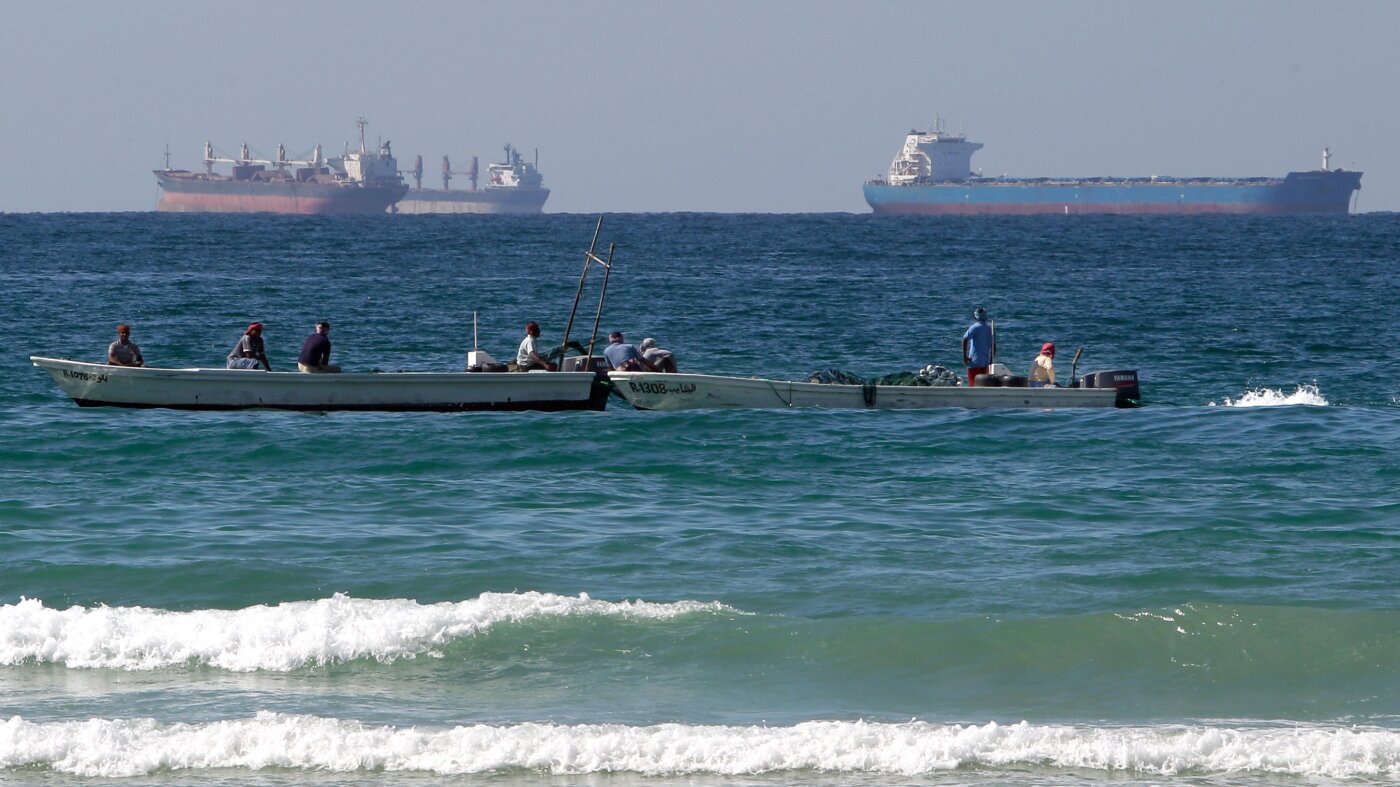
The recent military confrontations represent a critical escalation in a region already fraught with geopolitical tensions, directly threatening the arteries of global oil trade. The immediate catalyst for the market's apprehension stems from the reported attacks on two commercial vessels navigating the Strait of Hormuz. This narrow waterway, often referred to as the mouth of the Persian Gulf, is an indispensable conduit for a substantial portion of the world's crude oil. Historically, any instability or military activity in or near the Strait has sent ripples through global energy markets, given its strategic importance. The current wave of attacks, both offensive and retaliatory, has intensified fears that countries in the region will face severe impediments to their capacity to export oil to international buyers. This ongoing volatility in the Middle East has consistently demonstrated its potential to disrupt global economic stability, making the current situation a significant concern for energy security worldwide.
The specific price movements observed on Sunday evening clearly illustrate the market's immediate response to the heightened tensions. As noted by CME Group, West Texas Intermediate crude oil, a key indicator for the U.S. market, was trading at approximately $72 per barrel, reflecting a notable increase from its previous trading price of about $67 on Friday. Concurrently, FactSet data indicated that Brent crude, the global benchmark, reached around $79 per barrel, up from $72.87 at the close of trading on Friday. These approximately 8% increases in both major crude oil benchmarks highlight the severity of the perceived supply threat. A central concern for energy analysts and traders alike is the Strait of Hormuz, which Rystad Energy identifies as the world's most critical oil chokepoint. This vital maritime passage facilitates the transit of roughly 15 million barrels of crude oil daily, accounting for approximately 20% of the world's total oil supply. Any sustained disruption to this crucial shipping lane, as indicated by the recent vessel attacks, has immediate and profound implications for global energy availability and pricing.
Energy experts are closely monitoring the situation, with many suggesting that a prolonged period of military conflict and instability in the Middle East would inevitably lead to sustained higher prices for both crude oil and refined products like gasoline. The market's current reaction is largely driven by the anticipation of future supply constraints, as traders factor in the risk of reduced output and hindered transportation. This speculative element can often amplify price movements even before actual physical shortages materialize. Beyond the immediate impact on fuel costs, a sustained rise in oil prices carries broader economic implications, potentially fueling inflation, impacting consumer spending, and slowing global economic growth. The interconnectedness of geopolitical events and global economic stability is starkly evident in such scenarios, where regional conflicts can quickly translate into worldwide financial pressures. Analysts emphasize that the trajectory of oil prices will remain highly sensitive to any further escalation or de-escalation of military activities in the Gulf region, particularly concerning the security of the Strait of Hormuz.
In summary, the global oil market has reacted sharply to the recent surge in military actions across the Middle East, with significant price increases for both West Texas Intermediate and Brent crude benchmarks. The core concern revolves around the potential for severe disruptions to the region's vital oil supply routes, most notably the Strait of Hormuz, which is critical for a fifth of the world's oil shipments. While the immediate price hikes reflect market anxiety and trader speculation, energy experts warn that sustained conflict could lead to enduring higher costs for crude oil and gasoline globally. Moving forward, the international community will be closely watching for any developments in the geopolitical landscape of the Gulf, as the stability of this region remains paramount for global energy security and economic equilibrium. The volatility underscores the fragility of global supply chains in the face of escalating international tensions.