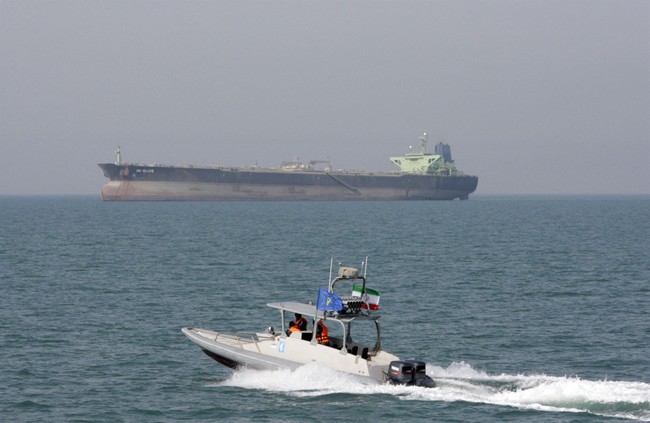
The United Kingdom Maritime Trade Operations (UKMTO), an organization supported by the Royal Navy that serves as a critical liaison for global shipping, has indicated it has received multiple reports suggesting a potential move by Iran to obstruct the Strait of Hormuz. These unverified claims, originating from various vessel operators, suggest that commercial shipping in the Persian Gulf region has been informed of an impending shutdown of this vital waterway. This development emerges amidst a backdrop of significantly heightened tensions and ongoing military engagements involving Iran, the United States, and Israel, with reports indicating substantial military operations targeting Iranian assets by American and Israeli forces. While the UKMTO has cautioned that these reports currently lack independent verification, the mere suggestion of a closure of the Strait of Hormuz carries profound implications for international maritime trade and global energy markets, given its indispensable role as a transit point for a substantial portion of the world's petroleum supply. The advisory from the UKMTO underscores the gravity of the situation, even as it clarifies the legal standing of such unconfirmed declarations.
The strategic importance of the Strait of Hormuz cannot be overstated, as it is widely recognized as the most crucial global chokepoint for oil shipments, facilitating the passage of approximately one-fifth of the world's total petroleum supply. This narrow maritime passage serves as a critical bottleneck, connecting the Persian Gulf with the Arabian Sea, thereby linking major oil-producing nations with international markets. Geographically, Iran commands the eastern coastline of the Strait, while the western peninsula is under the jurisdiction of Dubai, a constituent of the United Arab Emirates. Neighboring countries in this sensitive region include Oman and the broader United Arab Emirates. The current reports of a potential closure are deeply intertwined with an escalating regional conflict, which has seen the Iranian government reportedly facing considerable military pressure from American and Israeli forces. This broader context includes what has been described as a 'major combat operation' targeting Iranian interests, setting the stage for potential retaliatory actions or strategic maneuvers by Tehran to assert its influence or disrupt adversaries.
In response to the circulating reports, the UKMTO, which functions akin to an emergency '911 call center' for the international shipping industry, issued an advisory on Saturday. This crucial communication explicitly stated that the claims regarding Iran's intent to close the Strait of Hormuz could not be independently substantiated at the time of its release. Furthermore, the advisory provided vital legal guidance to mariners, clarifying that any broadcasts or statements disseminated via VHF radio indicating a closure of the Strait of Hormuz are not legally enforceable and do not constitute a legitimate restriction on navigation under established international law. While official confirmation of a full shutdown remains elusive, current vessel tracking data from the region suggests a discernible reduction in overall shipping operations through the strait, rather than a complete cessation of transit. Adding another layer of complexity to the regional dynamics, reports indicate that the United Arab Emirates, despite maintaining a non-involved stance in the ongoing American and Israeli military actions against Iran, has reportedly experienced missile incidents attributed to Iran, potentially causing considerable concern within the nation and further exacerbating regional tensions.
The implications of even an unverified threat to close the Strait of Hormuz are far-reaching, extending beyond immediate maritime concerns to global economic and geopolitical stability. Should Iran proceed with such a measure, even temporarily, the impact on international energy markets would be immediate and severe, given the strait's role in transporting 20% of global petroleum. This could trigger significant spikes in oil prices, disrupt supply chains, and potentially lead to broader economic instability worldwide. From a geopolitical standpoint, any attempt by Iran to obstruct international shipping lanes would be widely viewed as a major escalation in the ongoing conflict, likely prompting strong condemnation and potential intervention from international naval forces committed to upholding freedom of navigation. Experts suggest that such a move would be a high-risk strategy for Iran, potentially aimed at leveraging its strategic geographical position to exert pressure on its adversaries, particularly in response to perceived military aggression. However, it would also risk isolating Iran further on the international stage and could invite a more robust military response from global powers determined to maintain the flow of international commerce.
As the situation unfolds, the unverified reports of Iran's potential closure of the Strait of Hormuz underscore the volatile nature of the current Middle Eastern landscape. While the UKMTO has not independently confirmed these threats and has advised mariners on the non-binding nature of such declarations, the mere existence of these reports highlights the severe risks associated with the escalating conflict. Observers will be closely monitoring for any further verification of Iran's intentions, as well as the responses from international bodies and naval powers. The trajectory of the broader regional conflict involving Iran, the United States, and Israel will undoubtedly influence the likelihood and severity of any future actions concerning this critical maritime chokepoint. The global community remains on high alert, recognizing that any disruption to the Strait of Hormuz carries significant economic and security ramifications.