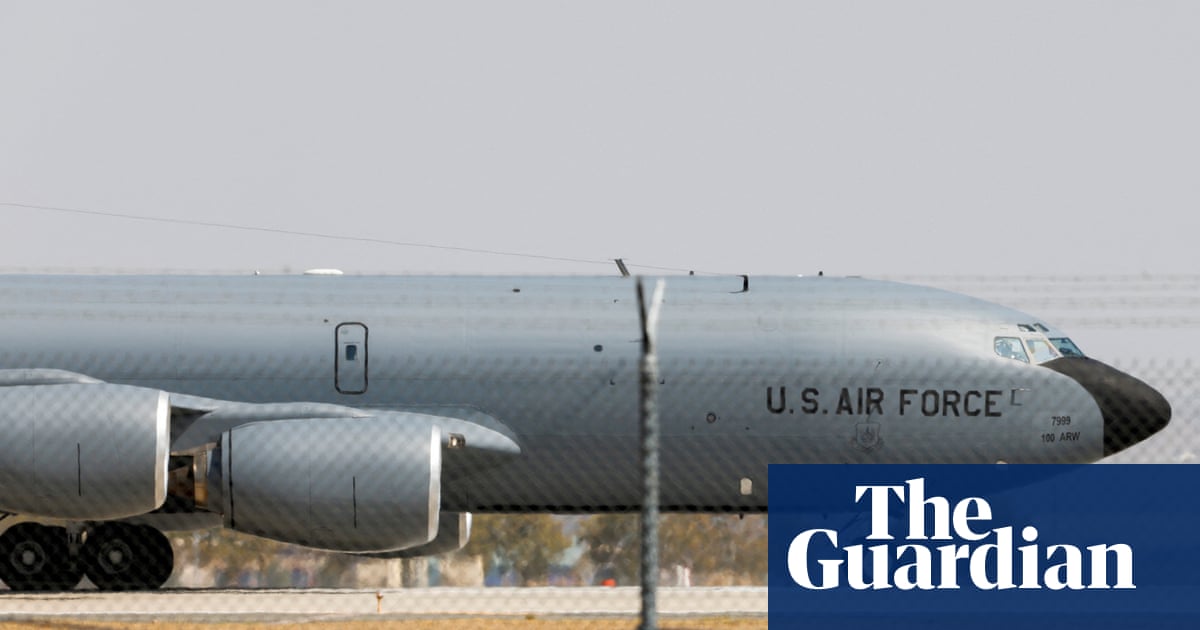
The Spanish government has reportedly denied the United States permission to utilize jointly operated military installations on its territory for ongoing military operations targeting Iran. This refusal comes as Madrid has significantly escalated its criticism of what it describes as an "unjustified and dangerous military intervention." According to reports, Prime Minister Pedro Sánchez, leading Spain's socialist government, has explicitly condemned the "unilateral military action" undertaken by the United States and Israel against Iran. Sánchez has warned that such actions are contributing to the emergence of a "more hostile and uncertain international order." This firm diplomatic stance is underscored by the government's decision to prohibit the US from using bases located in Rota and Morón for any continued strikes against Iranian targets, signaling a clear divergence in foreign policy approaches between the two long-standing allies.
The denial highlights a significant point of contention within the long-standing defense cooperation between Spain and the United States. Bases such as Rota, a crucial naval facility, and Morón, an air base, have historically served as vital strategic assets for US operations, particularly in the Mediterranean and North Africa. These facilities operate under bilateral agreements that typically define the scope and nature of their use. However, the current socialist administration in Spain, under Prime Minister Sánchez, has consistently emphasized a foreign policy rooted in multilateralism, adherence to international legal frameworks, and the principles enshrined in the United Nations Charter. This latest decision reflects a potential reinterpretation of these defense pacts by Spain, asserting its sovereign right to determine the permissible activities from its territory, especially when confronted with military actions that lack broad international consensus or UN mandate. The move also signals Spain's broader commitment to de-escalation in regional conflicts, contrasting with more interventionist approaches.
Spanish officials have been unequivocal in their statements regarding the prohibition. Foreign Minister José Manuel Albares, speaking on Monday, reportedly articulated Spain's desire for "democracy, freedom and fundamental rights for the Iranian people." However, he firmly stated that under no circumstances would Spanish bases be utilized for the ongoing military actions against Iran. Albares reportedly emphasized to Telecinco that the bases are not, and will not be, employed for any purpose outside the established agreement with the United States or activities not covered by the UN Charter. Defence Minister Margarita Robles echoed this resolute position, confirming to reporters that neither Rota nor Morón had been involved in the current US military operation. Robles further clarified that while an agreement exists with the US concerning these bases, Spain's interpretation mandates that all operations must comply with international legal frameworks and receive international support.
Spain's assertive stance carries significant implications for its relationship with the United States and potentially for broader European foreign policy. This refusal could be interpreted as a growing trend among European allies to exercise greater autonomy in their foreign and defense policies, particularly concerning military interventions in the Middle East. It may introduce friction within NATO, where member states might hold differing views on the legality, justification, and strategic wisdom of certain military actions. The Spanish government's strong emphasis on international law and UN mandates could set a precedent, encouraging other nations to scrutinize their involvement in operations that do not enjoy widespread international backing. Analysts suggest this move might also reflect Spain's strategic positioning as a proponent of diplomatic solutions and de-escalation in volatile regions, potentially influencing the collective European response to geopolitical tensions.
In conclusion, Spain's denial of US access to its jointly operated military bases for operations against Iran marks a significant diplomatic development, underscoring Madrid's commitment to international law and multilateralism. The condemnation by Prime Minister Pedro Sánchez of what he terms "unilateral military action" by the US and Israel, coupled with warnings of a more unstable global order, firmly establishes Spain's position. This decision, reinforced by explicit statements from its foreign and defense ministers, highlights a potential divergence in strategic priorities between Spain and its traditional allies. The situation is expected to necessitate further diplomatic engagement between Washington and Madrid, while also influencing the wider European discourse on engagement in Middle Eastern conflicts and the interpretation of defense agreements. International observers will closely monitor how this develops and its potential impact on regional stability and alliance dynamics.