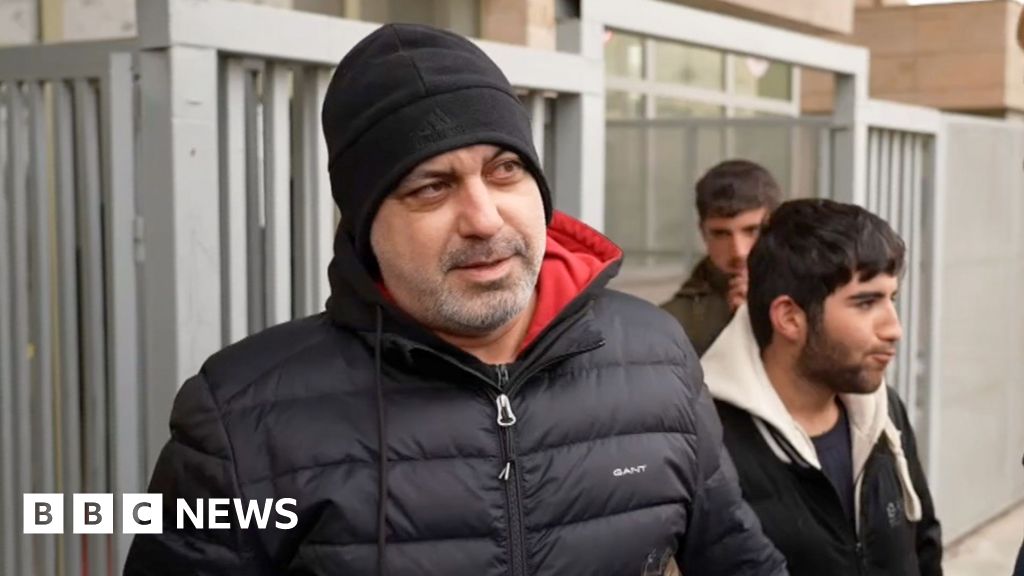
A recent report from the Iran-Turkey border by the British Broadcasting Corporation (BBC) has brought to light the desperate circumstances faced by individuals departing Iran, with many conveying profound feelings of insecurity and apprehension. According to the BBC's James Waterhouse, those interviewed at this critical juncture described their situation in stark terms, with some characterizing the environment within Iran as akin to 'this is war.' The border serves as one of the few accessible points for international journalists to gather firsthand accounts from people exiting the nation. The report indicates a significant outflow, with hundreds of individuals crossing into Turkey, driven by a pervasive sense of fear. However, a smaller contingent is also observed making the journey back into Iran, suggesting a complex and multifaceted pattern of movement amidst the reported turmoil.
The Iran-Turkey border has historically functioned as a vital, albeit often perilous, conduit for movement between the two nations, reflecting their geographical proximity and intertwined histories. For decades, this frontier has been a route for trade, cultural exchange, and, at times, a passage for those seeking refuge or new opportunities. In the current climate, as highlighted by the BBC's findings, its role as a window into the internal conditions of Iran has become particularly pronounced. Direct journalistic access within Iran itself is often severely restricted, making reports from its borders invaluable for understanding the human impact of domestic events. The testimonies gathered by the BBC underscore the profound challenges faced by ordinary citizens, whose experiences at the border offer a rare glimpse into the pressures compelling them to leave their homes, even without specific details of the 'war' they perceive.
The accounts shared with the BBC paint a vivid picture of individuals driven by an overwhelming sense of insecurity. The repeated emphasis on feeling 'unsafe and scared' suggests a pervasive climate of fear that transcends individual incidents, indicating a systemic issue impacting daily life for many. While hundreds are reportedly making the arduous journey across the border to escape these conditions, the observation of a few individuals returning to Iran adds a layer of complexity to the narrative. This counter-flow could be attributed to various factors, such as family ties, failed attempts to settle elsewhere, or the daunting challenges associated with seeking asylum in a foreign land. The phrase 'this is war,' attributed to some of those fleeing, powerfully conveys their personal experience of a severe, conflict-like environment, even if it does not denote a formally declared military conflict. This subjective perception underscores the gravity of the internal situation from the perspective of those directly affected, offering a poignant human dimension to geopolitical discussions.
The significance of these reports from the Iran-Turkey border cannot be overstated, particularly given the limited independent media access within Iran. For international observers and human rights organizations, such firsthand accounts provide crucial, albeit challenging to verify, insights into the societal pressures and potential crises unfolding internally. The collective sentiment of 'this is war' articulated by those departing suggests a profound breakdown of security or stability from the perspective of ordinary citizens, irrespective of official declarations. This type of reporting is vital for fostering a more nuanced understanding of the human cost of political and social dynamics in regions where information flow is tightly controlled. It highlights the critical role of independent journalism in giving voice to those most affected by such circumstances, offering a counter-narrative to official statements and enabling a broader global awareness of the plight of vulnerable populations.
In conclusion, the BBC's report from the Iran-Turkey border serves as a stark reminder of the human toll exacted by perceived instability and fear within Iran. The testimonies of individuals feeling 'unsafe and scared,' and describing their reality as 'this is war,' underscore a profound sense of crisis among a segment of the population. The border remains a critical, albeit narrow, window through which the international community can gain insights into the experiences of Iranian citizens. As hundreds continue to seek refuge across this frontier, and a few navigate the difficult decision to return, the situation demands ongoing attention. These firsthand accounts are indispensable for understanding the complex dynamics at play and for informing future humanitarian and diplomatic efforts aimed at addressing the underlying causes of such widespread apprehension and displacement.